
Biochar Reactor Feedstock Compatibility: A US Buyer’s Guide
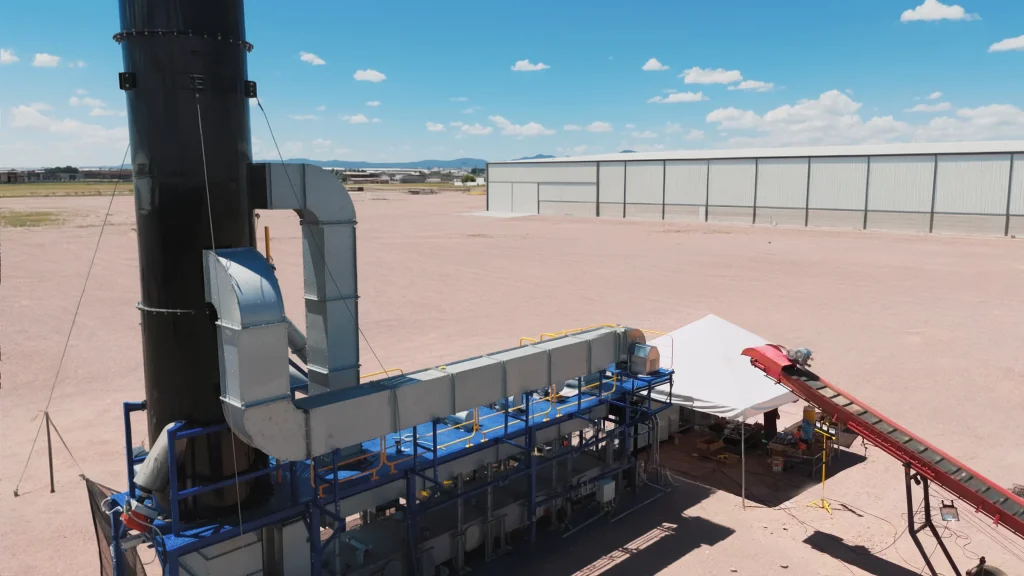
Summary: Biochar reactor feedstock compatibility depends on whether your biomass can be prepared, fed, heated, and converted consistently within the reactor’s operating envelope. Before selecting equipment, evaluate moisture, particle size, ash, contaminants, density, flow behavior, seasonal supply, product requirements, and site constraints through representative testing and controlled trials.
Can a reactor designed for biomass still perform poorly with your specific feedstock? Yes, because compatibility depends on more than the material’s general category. When you assess biochar reactor feedstock compatibility, begin with the material, not the machine. Our biochar production equipment can be configured around feedstock characteristics, production scale, and project objectives.
The right question is not whether wood, crop residues, manure, or biosolids can produce biochar. The practical question is whether your selected reactor can handle their moisture, particle size, composition, flow behavior, and variability while producing a usable product. A 2026 review from the US Forest Service research database connects reactor selection with feedstock properties, process performance, application requirements, and long-term sustainability.
What Does Biochar Reactor Feedstock Compatibility Mean?
Feedstock compatibility is the relationship between the incoming biomass and the complete thermal-processing system. It includes receiving, storage, screening, grinding, drying, conveying, metering, pyrolysis, gas handling, cooling, and finished-char collection.
A feedstock may be chemically suitable for producing biochar but mechanically difficult to process. Fibrous residues can wrap around moving equipment. Wet materials can bridge in hoppers or demand substantial drying energy. Fine materials may create dust, air leakage, or unstable feeding. High-ash biomass can increase char mineral content and place additional demands on gas cleaning and maintenance.
Compatibility also depends on the desired product. Biochar intended for soil improvement may require a different balance of pH, ash, nutrient content, stability, and contaminants than biochar developed for filtration, composite materials, industrial additives, or carbon storage. Therefore, compatibility is not a universal yes-or-no label. It is a tested fit between a feedstock, a reactor configuration, operating conditions, and an end use.
Which Feedstock Properties Should You Measure First?
Start with a representative sample rather than a single convenient delivery. Feedstock properties can change with weather, harvest timing, storage, supplier, contamination, and blending. A sample that looks typical may not represent the lowest bulk density, highest moisture, or largest particle fraction that the plant will actually receive.
A useful feedstock characterization program should document the following properties:
| Property | Why it matters | What to evaluate |
|---|---|---|
| Moisture | Influences drying energy, reactor temperature, throughput, and gas production. | Average moisture, wet-season range, free water, and drying response. |
| Particle size | Affects heat transfer, residence time, feeding, and conversion uniformity. | Particle-size distribution, oversized pieces, fines, and shape. |
| Ash and minerals | Influences biochar chemistry, deposits, wear, emissions, and handling. | Ash percentage, silica, alkali metals, calcium, and other major elements. |
| Contaminants | May restrict the final application or require additional controls. | Soil, plastics, metals, treated wood, heavy metals, PFAS concerns, and other pollutants. |
| Density and flow | Determines hopper volume, conveyor loading, metering accuracy, and bridging risk. | Bulk density, flowability, cohesion, segregation, and compaction behavior. |
Composition testing can also help estimate how the material may behave during pyrolysis. Cellulose, hemicellulose, lignin, extractives, protein, and ash do not decompose in the same way. A 2026 analysis of 167 publications and 1,119 biochar samples found that feedstock category strongly influenced carbon purity and ecological risk, while pyrolysis temperature was the primary operating variable within the studied ranges. The 2026 feedstock framework supports using measured composition rather than broad labels such as “agricultural waste.”
How Do Moisture, Particle Size, and Flow Affect Reactor Operation?
Moisture content is often the first practical compatibility limit. Excess water consumes heat before the biomass reaches the desired conversion temperature. It can lower throughput, increase fuel demand, disturb temperature control, and create inconsistent gas production.
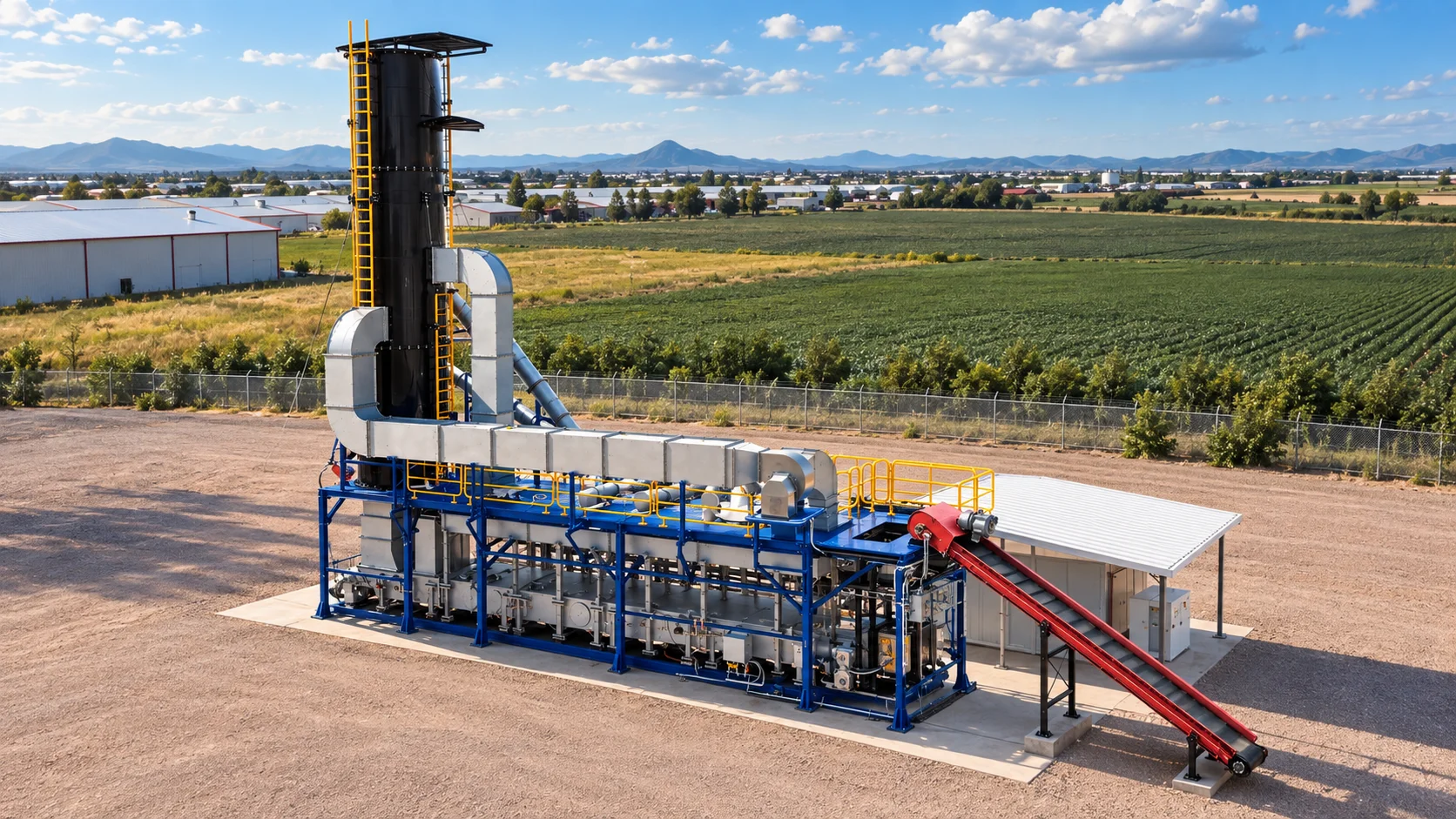
For the Pyronexus reactor configurations described in the company brief, feedstock preparation targets particles smaller than 1 inch and moisture below 20 percent. These are supplier-specific operating requirements, not universal rules for every reactor. Your equipment specification should state its own accepted moisture range and particle-size limits clearly.
Particle size matters because heat must move through the material during the available residence time. Large or irregular pieces may remain under-processed internally while smaller particles convert more quickly. Excessive fines can create different problems, including dust, entrainment, poor air sealing, and unstable flow.
Bulk density is equally important. A feeder designed around mass flow may receive a very different volume of material when density changes. Low-density residues can fill hoppers and conveyors before reaching the expected mass throughput. Dense materials may overload screws, increase torque, or require different discharge geometry.
Measure how the feedstock behaves under realistic storage and feeding conditions. Test whether it bridges, clumps, floods, segregates, or absorbs moisture during storage. Depending on the results, the system may require screening, grinding, drying, live-bottom storage, agitation, multiple screws, magnetic separation, or controlled blending.
Our biochar production process guidance treats preparation and controlled feeding as connected parts of thermal conversion. This approach helps you evaluate the entire material path instead of judging compatibility from the reactor chamber alone.
Why Do Ash, Contaminants, and End Use Change Compatibility?
Ash does not disappear during pyrolysis. Much of the mineral fraction remains in the solid product, where it can affect pH, electrical conductivity, nutrient concentration, surface properties, density, and application suitability.
High ash content may also create operational challenges. Mineral matter can contribute to deposits, abrasive wear, blocked passages, higher particulate loading, and additional cleaning requirements. Silica-rich feedstocks may require particular attention to wear surfaces, gas velocity, cyclone loading, and inspection access.
Contamination must be screened before commercial equipment is selected. Soil and sand can increase ash without adding useful carbon. Plastics, treated wood, metals, and industrial residues may introduce emissions or product-quality concerns. Biosolids and sewage-derived materials require especially careful testing because heavy metals, PFAS, salts, nutrients, and other contaminants can affect both processing and the final market.
Feedstock and product selection should therefore be evaluated together. A 2026 meta-analysis covering 832 articles and more than 5,000 biochar property entries concluded that biochar characteristics vary widely and should be matched to the intended application. The ANU biochar meta-analysis reinforces the need to define product requirements before fixing reactor conditions.
For agricultural applications, evaluate pH, electrical conductivity, nutrient content, carbon stability, PAHs, heavy metals, and other applicable criteria. For filtration, surface area, pore structure, ash, and contaminant adsorption may become more important. For composites or industrial additives, particle size, moisture, strength, mineral content, and chemical compatibility may control acceptance.
How Can You Validate Compatibility Before Scale-Up?
Testing should progress from screening to controlled trials and then to a commercial design basis. Laboratory analysis can identify obvious problems, but it cannot fully reproduce continuous feeding, heat transfer, residence time, gas flow, or equipment wear.
Begin with a defined test plan. It may include moisture analysis, particle-size distribution, proximate analysis, ultimate analysis, ash testing, elemental screening, contaminant testing, bulk density, and flowability. Thermogravimetric analysis can also help indicate how the feedstock loses mass as temperature increases under controlled conditions.
Small-scale trials can then compare the material across different temperature scenarios. Pyronexus research services use controlled trial conditions at 400°C, 550°C, and 700°C to evaluate feedstock quality, biochar properties, system behavior, and potential next steps. The appropriate temperature range depends on the feedstock and intended product, so trial results should not be treated as a universal operating prescription.
Large-scale trials address questions that laboratory work cannot answer alone. Can the material feed continuously? Does the reactor maintain stable temperature and residence time? How much char, gas, moisture, ash, and off-spec product result? Does the system require more drying, cleaning, or operator attention than expected?
Document a complete mass and energy balance. Include wet feedstock, dry solids, evaporated water, biochar, ash, gases, condensates, emissions, recovered heat, external fuel, electricity, and losses. This balance helps reveal whether the reactor is technically compatible and whether the project can support its intended operating schedule.
Our research and development services combine feedstock characterization, small-scale and large-scale trials, laboratory testing, technical reporting, life-cycle assessment, techno-economic analysis, and process optimization. Trial costs can be applied toward a commercial system under the stated Pyronexus R&D offering, subject to project scope.
What Should a US Buyer Include in the Equipment Specification?
A purchase specification should describe the feedstock range and the operating conditions that the supplier must support. Avoid relying on a model number or a headline capacity without stating the assumptions behind it.
- Define wet and dry feed rates, moisture range, particle-size limits, ash content, contaminants, and minimum bulk density.
- State the expected operating hours, seasonal supply range, storage duration, and required turndown.
- Specify the preparation equipment, including screening, grinding, drying, conveying, metering, and foreign-object removal.
- Require a process-flow diagram that covers receiving through finished-biochar collection.
- Request the expected mass and energy balance under normal and worst-case feedstock conditions.
- Identify temperature, pressure, oxygen, residence-time, gas-flow, and feed-rate measurements.
- Define biochar acceptance tests, sampling frequency, lot traceability, and procedures for off-specification material.
- Address dust, carbon monoxide, hot surfaces, fire detection, emergency shutdowns, lockout procedures, and safe char cooling.
- Review site utilities, water availability, electrical service, road access, storage, fire protection, and maintenance access.
US projects also need a site-specific review of air permitting and emissions requirements. A 2026 technical report from the Technical University of Denmark examined contaminant inventories in feedstocks and derived biochars. Although the report is not a US permitting guide, it illustrates why feedstock composition and product testing should remain part of the engineering basis.
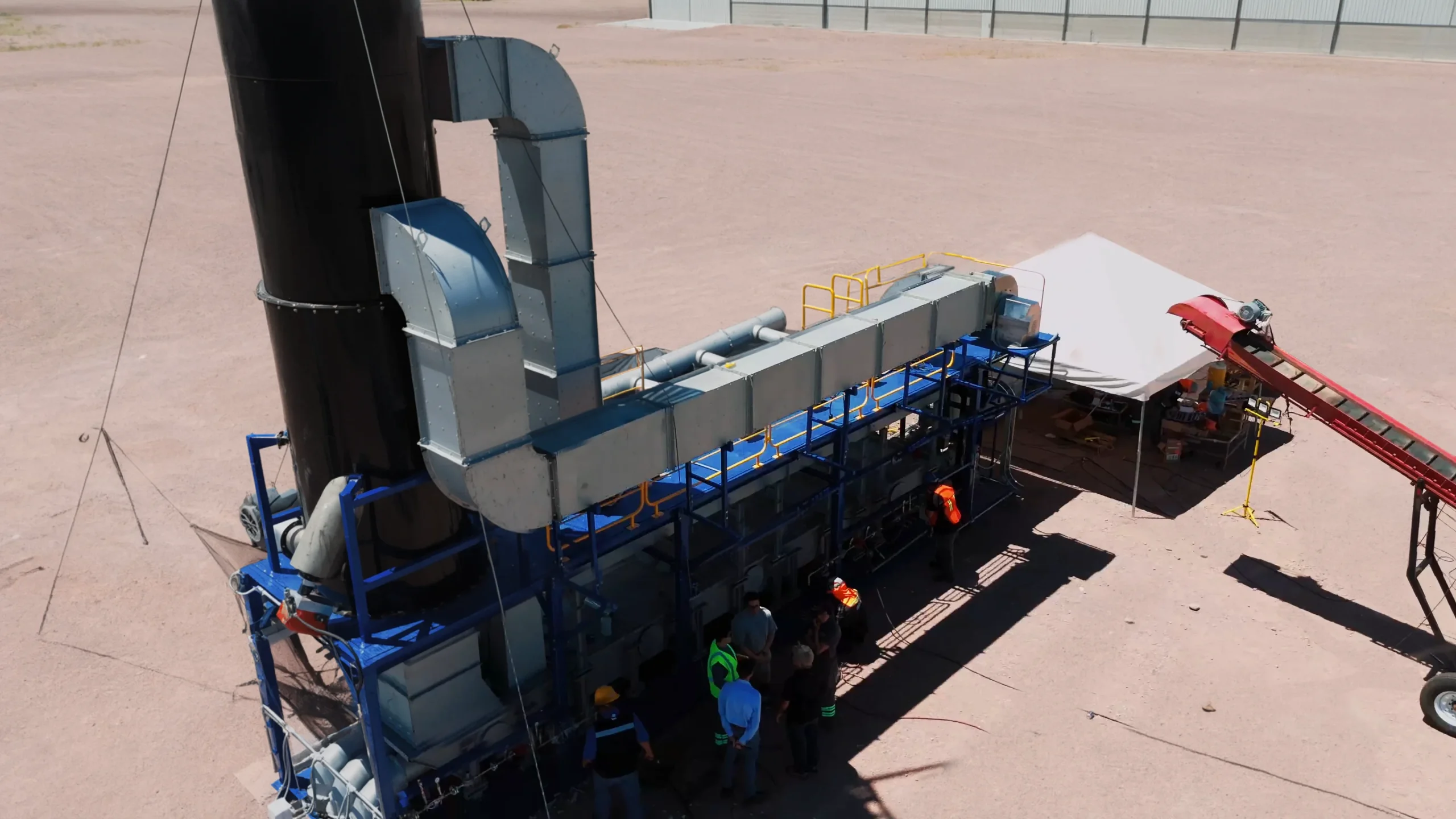
Ask suppliers to explain how the reactor, dryer, feeder, gas train, cooling system, and controls work together. Compatibility is demonstrated by a complete operating plan, not by claiming that a reactor accepts every type of biomass.
Make Compatibility a Testable Decision
The safest way to evaluate reactor and feedstock fit is to measure the material, define the product, test the operating window, and design the supporting equipment around the results. Moisture, particle size, ash, contaminants, density, flow behavior, seasonal supply, and end use all influence whether a reactor can deliver stable and economical production. Treat compatibility as an engineering decision supported by representative samples, controlled trials, documented balances, and clear acceptance criteria.
Plan Your Feedstock-Compatible Reactor
When feedstock conditions are uncertain, equipment selection should follow testing rather than assumptions. A structured evaluation can help you identify preparation needs, process risks, product requirements, and the right project pathway.
At Pyronexus, we support feedstock characterization, process trials, reactor configuration, project development, operations, product development, and carbon-credit preparation. To discuss a system aligned with your biomass and production objectives, explore our biochar reactor sales options.
Frequently Asked Questions
What is the most important feedstock compatibility factor?
There is no single factor for every project, but moisture, particle size, and flow behavior often determine whether biomass can be fed and heated consistently. Composition, ash, contaminants, and the intended biochar application must also be evaluated.
Are particles smaller than 1 inch and moisture below 20 percent universal requirements?
No. Those conditions are operational requirements described for the Pyronexus reactor configurations in this article. Other reactor technologies may specify different limits, so you should request written feedstock criteria from the selected supplier.
Can one reactor process wood, agricultural residues, manure, and biosolids?
Potentially, but not necessarily without changes to preparation, feeding, drying, controls, or operating conditions. Each material should be tested for moisture, density, ash, contaminants, flow behavior, and the product qualities required by the project.
How can I test feedstock before buying a reactor?
Start with representative sampling and laboratory characterization, then conduct controlled trials at relevant operating conditions. Pyronexus can support feedstock characterization, small-scale and large-scale trials, laboratory analysis, technical reporting, and process evaluation.
Why does the intended biochar application matter?
Different applications require different properties, such as pH, ash, surface area, nutrient content, stability, particle size, or contaminant limits. A feedstock and reactor combination should therefore be evaluated against a defined product specification rather than biochar appearance alone.
