Learn how biochar anaerobic digestion interactions may affect methane, process stability, and scale-up, plus what operators should test first.
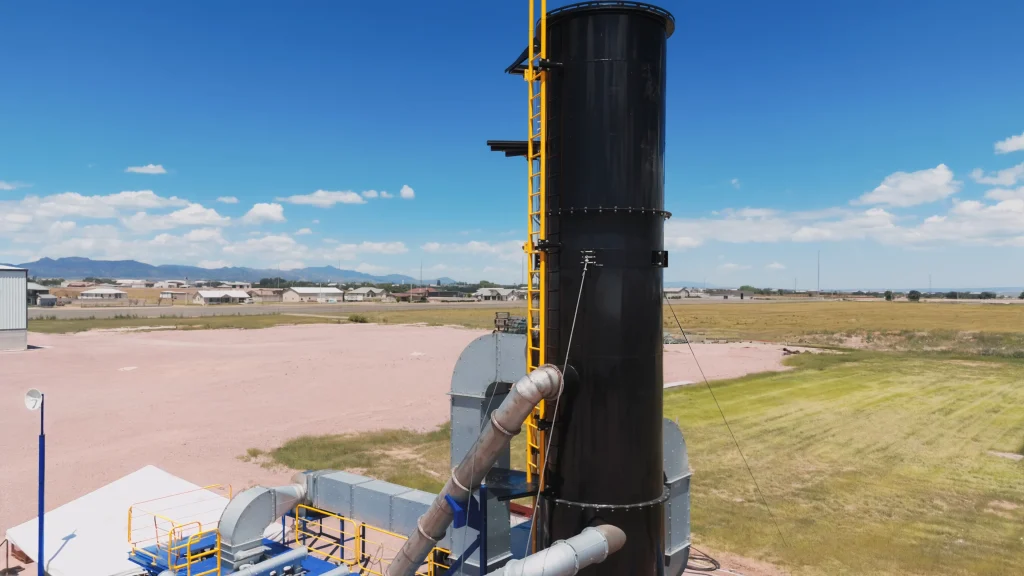

Learn how biochar anaerobic digestion interactions may affect methane, process stability, and scale-up, plus what operators should test first.
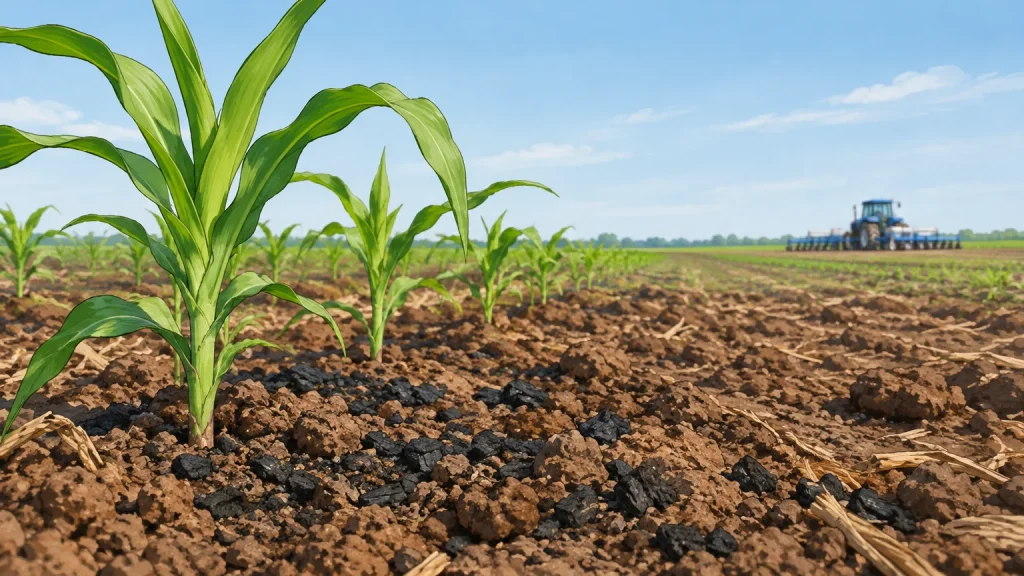
Biochar agriculture: learn potential soil benefits, crop risks, product checks, and practical steps for testing an application on your farm.
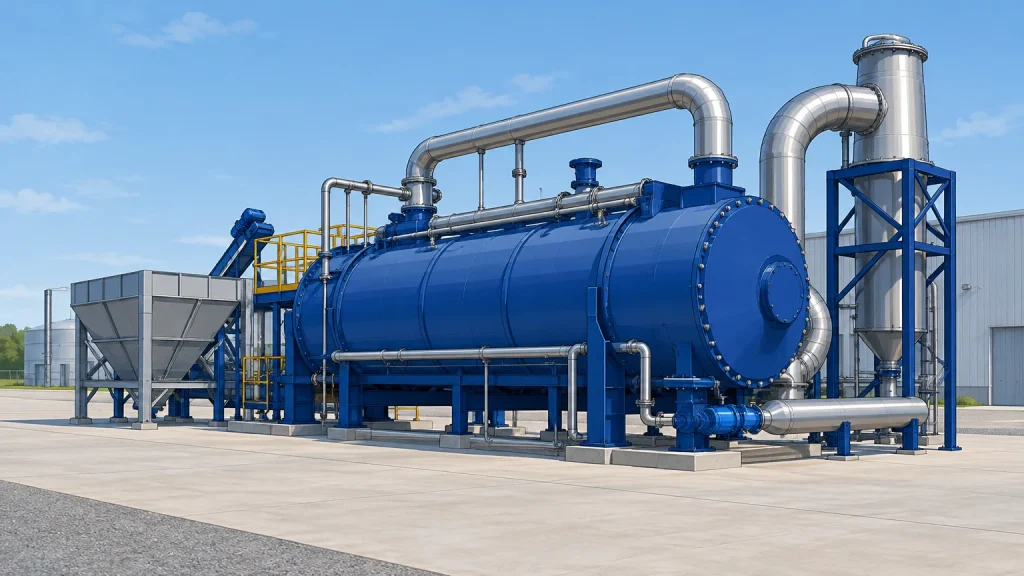
biosolids pyrolysis energy recovery can produce biochar and recover heat, but moisture, process energy, and testing determine project feasibility.
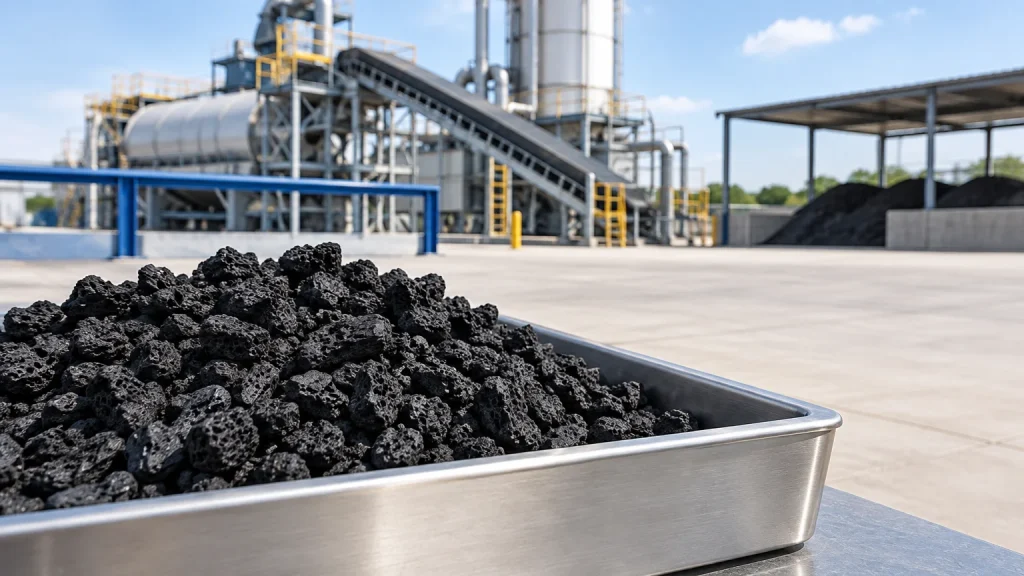
Learn how biochar commercialization connects product testing, production economics, buyer demand, and carbon credit pathways for US producers.
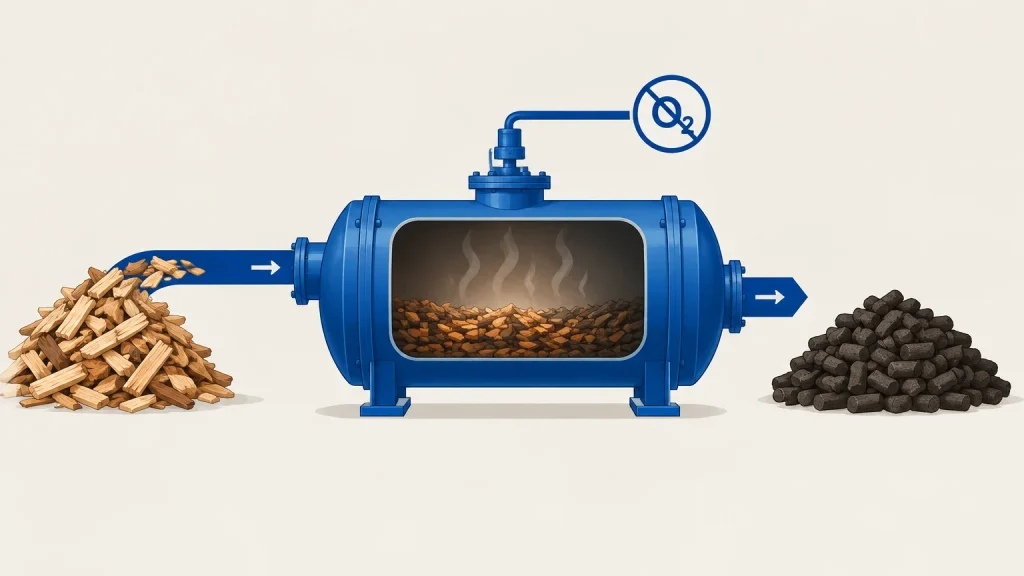
Learn how the biomass torrefaction process works, which conditions matter, how fuel properties change, and how it differs from pyrolysis.
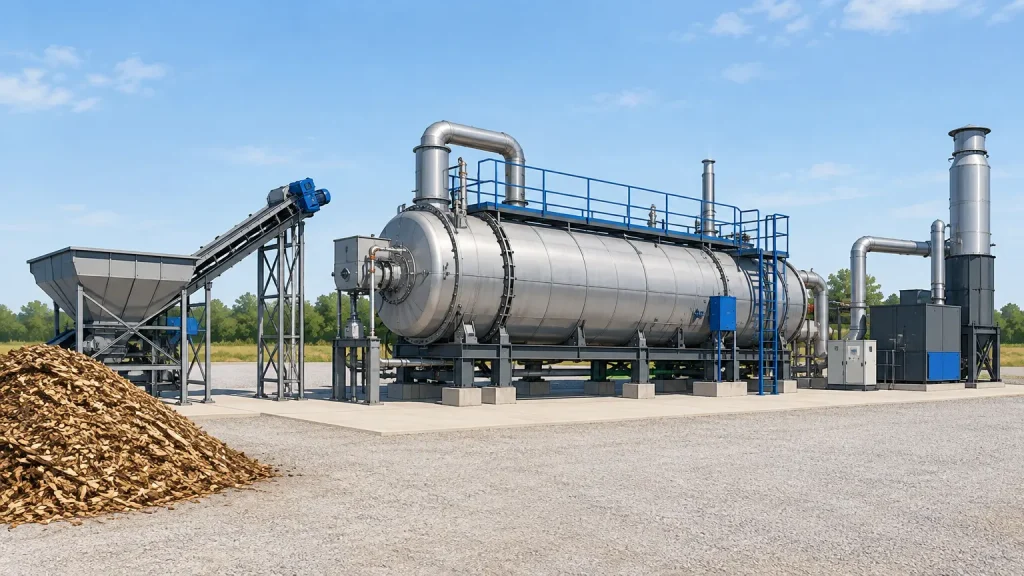
Blusky Carbon vs Bioforce: compare feedstocks, pyrolysis systems, carbon evidence, project fit, and questions US buyers should verify.
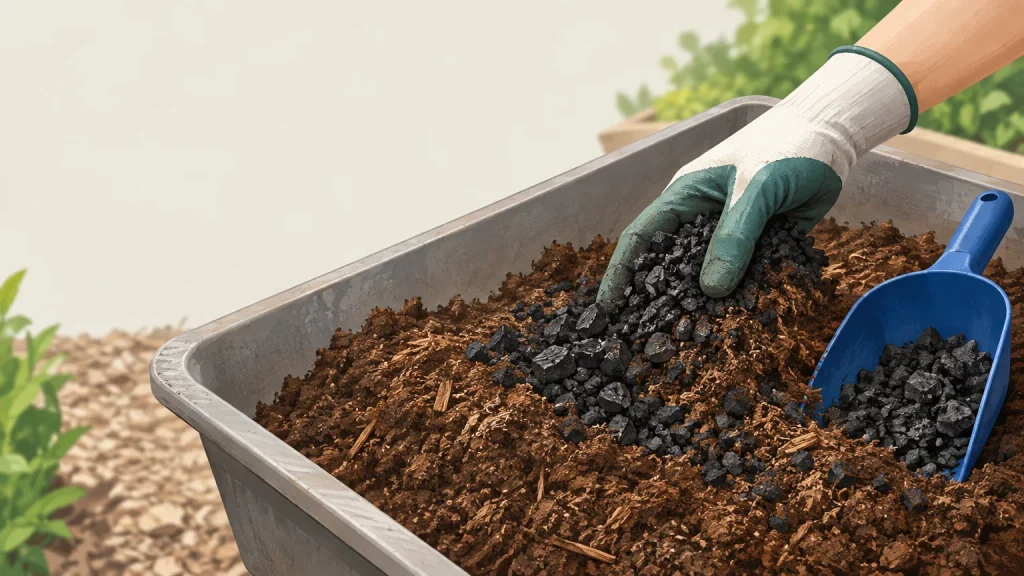
Understand biochar ratio terms, compare soil and compost rates, and choose a measured starting point based on your application and soil conditions.
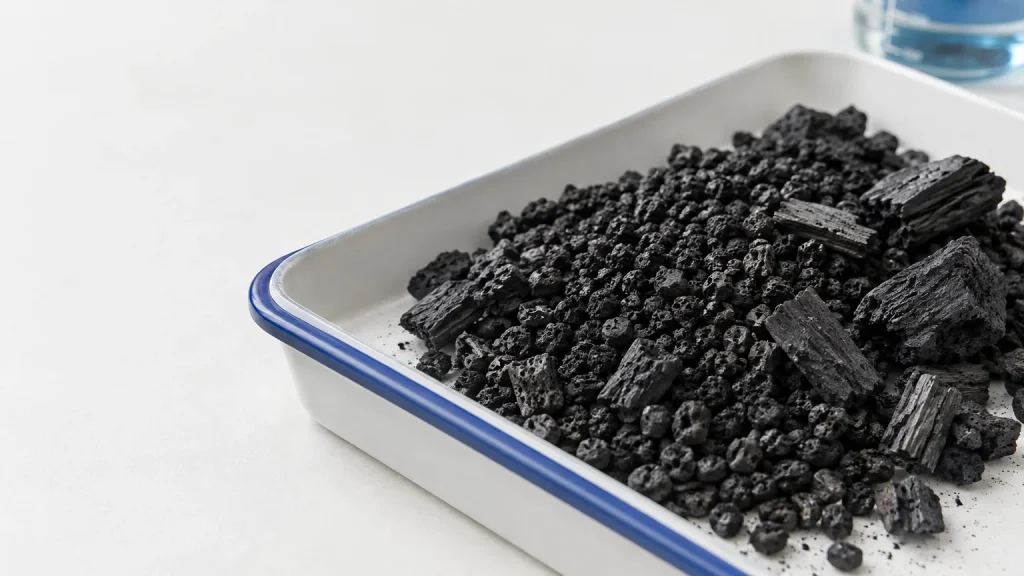
Biochar product development turns application needs into tested specifications through feedstock analysis, process trials, and fit-for-use validation.
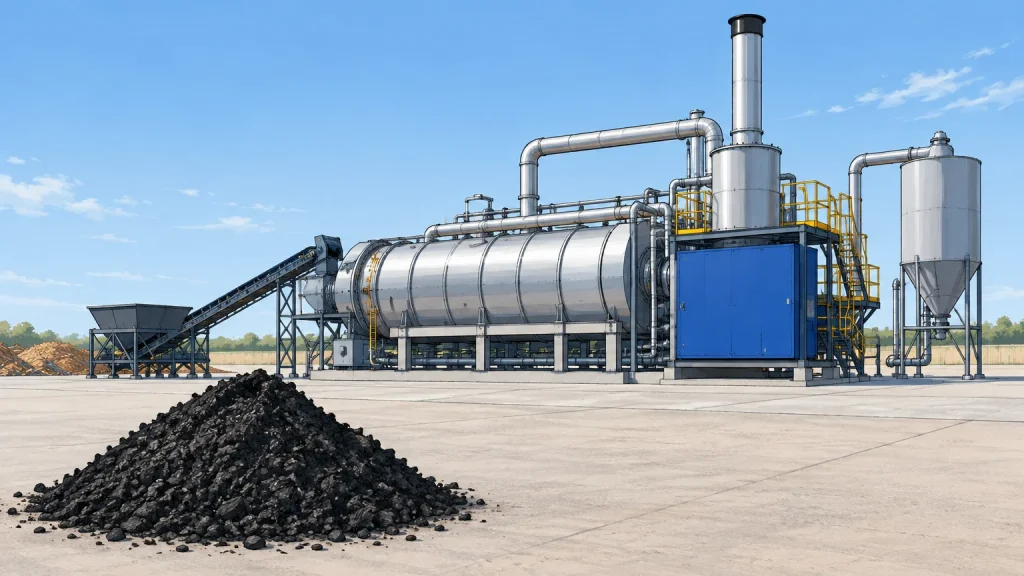
Understand biochar carbon credit project value, from verified removals and market pricing to project costs, documentation, and realistic revenue.
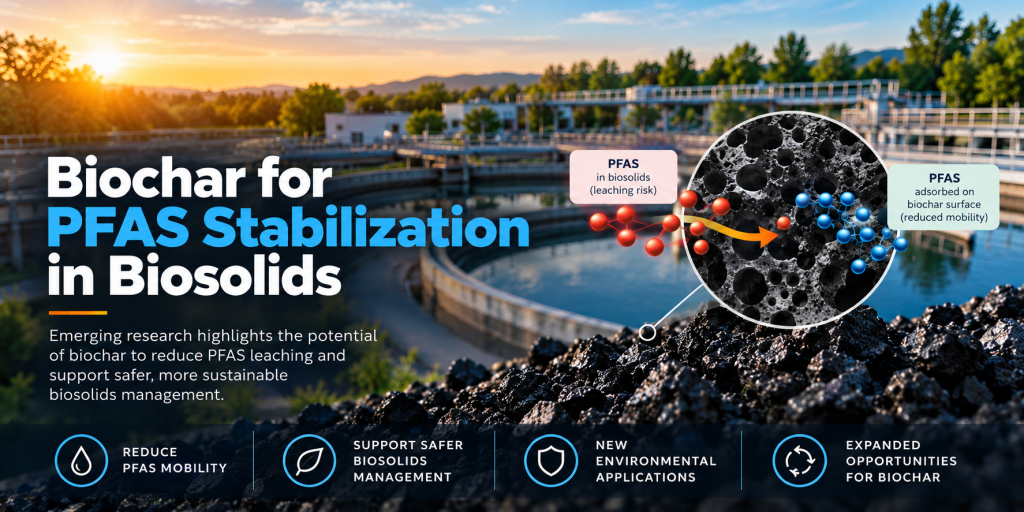
New peer-reviewed research highlights the potential of carbon-based materials to reduce PFAS mobility and support innovative biosolids management strategies. A Growing Challenge for Wastewater Treatment Facilities Per- and polyfluoroalkyl substances (PFAS), often referred to as forever chemicals, are becoming an increasingly important concern for wastewater treatment facilities, municipalities, and environmental management organizations. These persistent compounds […]