
Biochar Commercialization: A Practical Guide for US Producers
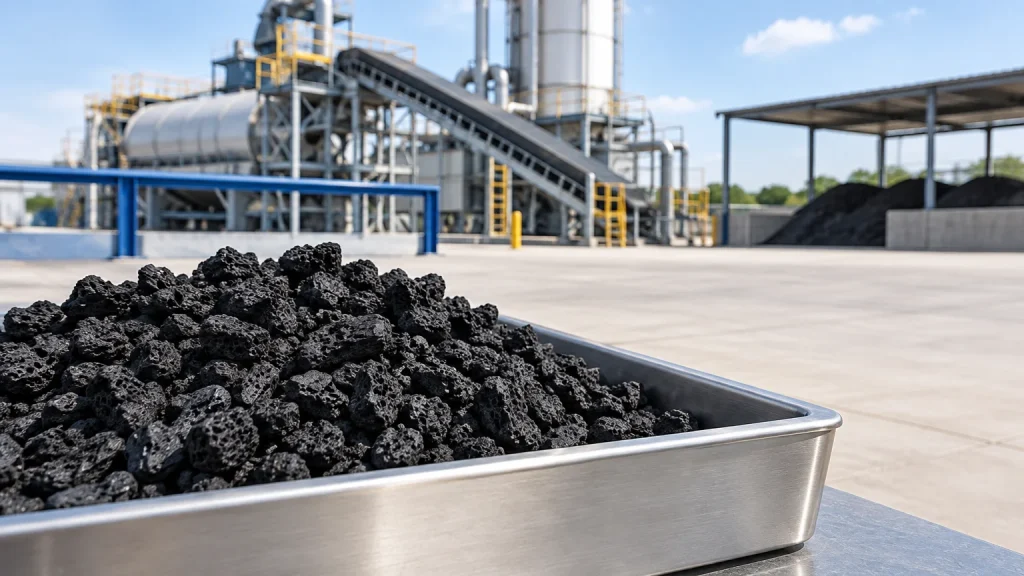
Summary: Biochar commercialization works when a producer matches a tested product to a defined buyer and builds dependable economics around feedstock, processing, quality, logistics, and revenue. In the US, commercial routes include direct material sales, distributor relationships, project partnerships, and eligible carbon removal credits. Start with buyer specifications and feedstock trials, then scale output to confirmed demand rather than relying on projected market growth.
Commercial readiness begins before a reactor reaches full capacity. A producer needs a buyer who values the material, product evidence that matches the use, and a route to repeat orders. If you are assessing an investment, start with biochar project economics and work backward from realistic demand to production scale.
In the US, buyers may consider biochar as a soil input, filtration medium, industrial ingredient, or durable carbon removal pathway. Each route asks different questions about material properties, supply reliability, traceability, and price. A viable plan connects those requirements with feedstock access, process cost, testing, logistics, and a sales channel. Market growth alone does not prove a plant will find an offtaker.
What does market evidence tell you about demand?
The latest national benchmark available in 2026 estimates that the economic value of the US biochar industry grew from $53.6 million in 2023 to around $157 million in 2025. Released in July 2026, the 2025 U.S. market report describes a self-reported industry snapshot, not an official government census or a demand forecast for an individual facility. It identifies agriculture as the largest market, with water filtration, remediation, carbon sequestration, and industrial uses among developing sectors.
Use those figures as context, then test your own market at the scale you plan to serve. A producer near agricultural customers might validate a soil amendment or growing-media application. A project linked to a wastewater facility might explore biosolids conversion and energy recovery. In either case, speak with prospective buyers before finalizing output volume, product handling, and delivery plans.
Which buyer should your product serve first?
Begin with a specific application rather than a broad claim that biochar suits every market. Agricultural buyers may ask about soil conditions, application method, and consistency between batches. Filtration or industrial users may focus on properties tied to their process. For each prospect, confirm what evidence they need before they will run a trial or consider a purchase.
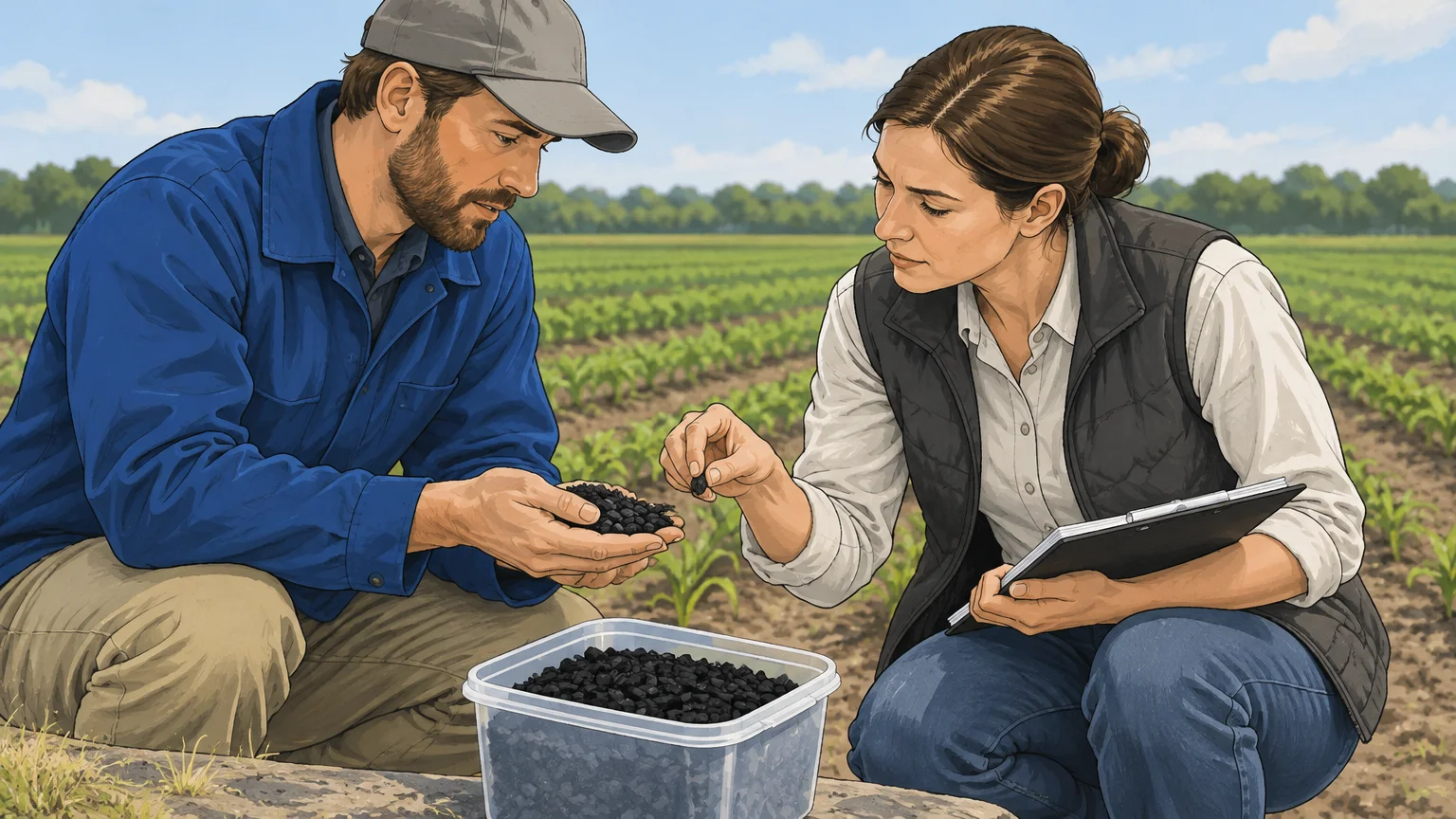
Prepare a representative sample and a clear product information sheet. Include the feedstock and production details you can document, relevant test results, packaging options, and expected supply schedule. For an agricultural application, plan a small trial with the buyer and agree in advance on what outcome would justify a larger order. Buyer feedback can then guide product development and help avoid investing in specifications customers do not need.
Product handling can decide whether a sale works
Even a product with a suitable application can become costly to deliver. A 2026 technical review identifies production costs, inconsistent product classification, limited end-user awareness, and transport logistics as challenges for commercialization. It notes that biochar’s low bulk density makes transportation a practical concern.
Calculate delivered cost, not just the cost of producing a tonne at the facility. Packaging, storage, loading, distance, and shipment size affect what a buyer pays and what you retain. Discuss handling requirements early, including how the material will be packaged and kept suitable for the intended use. For longer routes, compare the cost of shipping biochar with the value of serving a closer buyer or adjusting the product format.
Can your feedstock and process support a margin?
Build a project model around the feedstock you can reliably secure and the product a buyer has agreed to evaluate. Include feedstock preparation, conversion, labor, maintenance, testing, packaging, storage, and delivery. Treat biochar sales, any applicable feedstock or disposal fees, energy recovery, and carbon revenue as separate assumptions. This makes it easier to see which part of the business model needs validation.
Test feedstock and process performance before committing to full commercial scale. Our research and development work includes feedstock characterization, trials, laboratory analysis, and technical reporting. Trial costs can be applied in full toward a commercial system. To assess investment assumptions alongside project delivery, review our turnkey biochar project ROI resource.
Model more than one operating scenario. Compare expected output and operating costs under different feedstock conditions, then check whether your buyer can absorb the volume. A project is easier to evaluate when the production plan, customer requirements, and delivered cost use the same assumptions.
How should material sales and carbon credits fit together?
Physical biochar sales and carbon removal credits are distinct potential revenue streams. The International Biochar Initiative’s global report estimates that commercial producer revenues increased from approximately $47 million in 2023 to $245 million in 2025. Based on responses from 930 stakeholders across 96 countries, the 2025 global report gives a global estimate, not a US-specific price or a prediction of your project’s income.
For a credit pathway, identify the applicable methodology and documentation requirements before assigning revenue to credits in your model. Traceable feedstock, production records, biochar testing, lifecycle information, monitoring, and chain-of-custody documentation can all matter to the project’s certification process. Keep any credit revenue separate from the sale price of the physical material. Our biochar carbon credit project value resource covers project value and carbon-credit considerations.
How will you reach buyers and earn repeat orders?
Choose a sales route that fits your buyer and production scale. You can approach end users directly, work with distributors, develop a supply relationship with a project partner, or use a marketplace to connect with potential buyers. BiocharXchange is our marketplace and information hub for connecting biochar supply with commercial demand. Treat any listing or introduction as a way to develop a sales conversation, not as a guaranteed purchase.
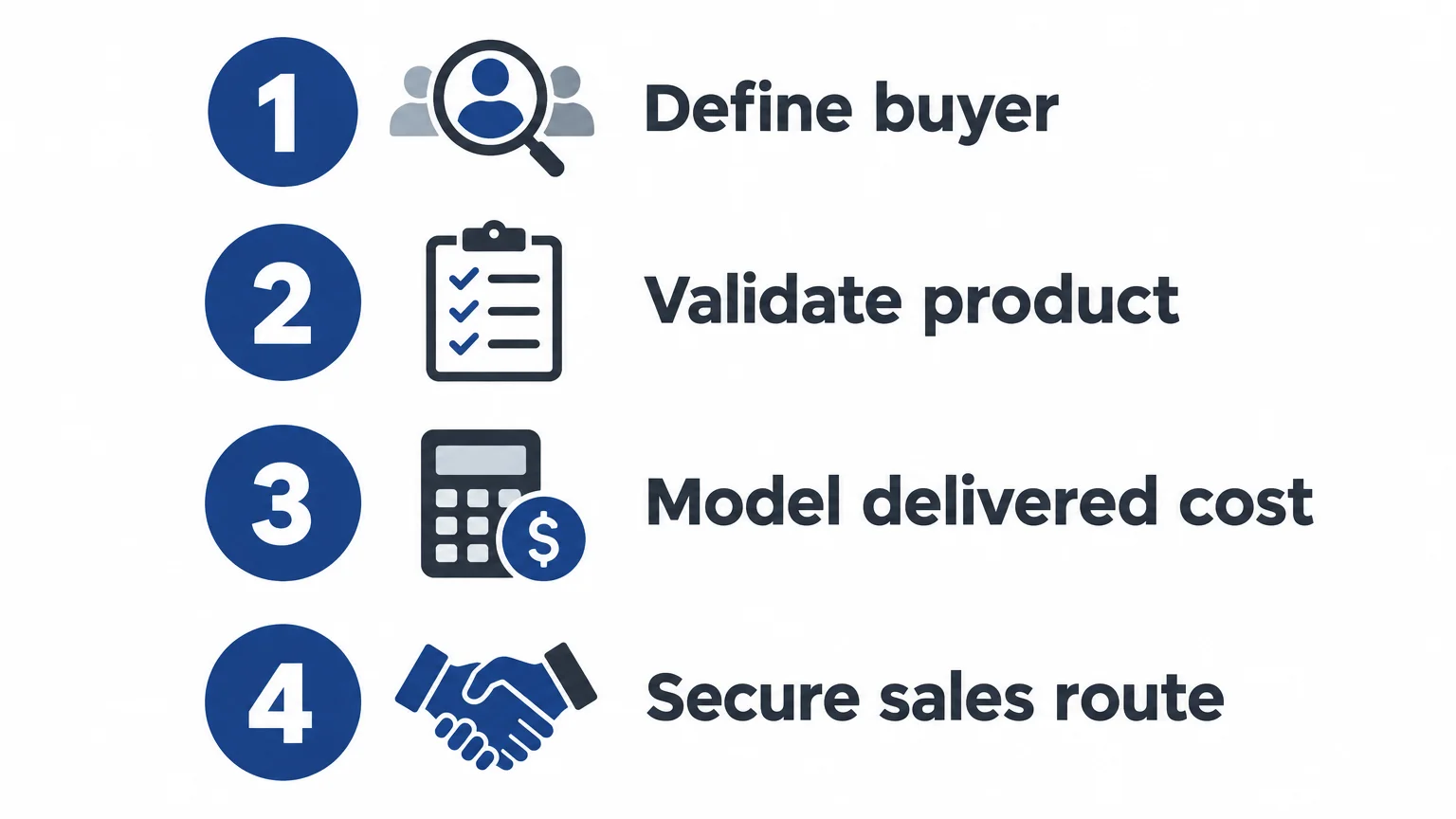
Before increasing production, confirm buyer interest in writing and clarify the product, volume, delivery schedule, testing expectations, and price basis. A practical launch sequence is to define the buyer, validate the product, model delivered cost, and secure a route to market. This keeps commercialization decisions tied to customer needs and operating realities.
Build the market case before scaling
Commercializing biochar means aligning a product with a real application, confirming feedstock and process economics, and planning how material will reach buyers. Validate product requirements and delivered costs with prospective customers before expanding output. If you pursue carbon credits, evaluate the documentation pathway separately from physical product sales and build only supportable revenue assumptions into your project plan.
Plan a Biochar Project Around Market Demand
If you have identified a feedstock or prospective buyer, your next task is to connect those requirements to project feasibility, trials, equipment configuration, site integration, and a realistic operating plan. Addressing those decisions together helps you evaluate scale and commercial readiness before committing to a build.
We support projects from feasibility and engineering through commissioning, with research, feedstock assessment, trials, operations, and market access available across the biochar value chain. Trial costs can be applied in full toward a commercial system. If you are ready to discuss project scope and next steps, explore our biochar project development services.
Frequently Asked Questions
What does biochar commercialization involve?
It is the process of preparing biochar for sale or use in a defined market, from buyer discovery and product testing to production economics and delivery. Some projects also assess a separate carbon credit pathway.
Which markets can buy biochar?
Potential applications include agriculture, growing media, filtration, environmental remediation, industrial uses, and carbon removal projects. The right buyer depends on whether your material meets the requirements of a specific application.
What should you test before selling biochar?
Start by asking prospective buyers which properties and evidence matter for their intended use. Characterize your feedstock, test representative biochar, and share the results before agreeing on product specifications or volume.
Can carbon credits replace biochar sales?
Credits and physical biochar sales are separate potential revenue streams, each with distinct requirements and assumptions. Model credit eligibility and documentation independently rather than treating a material sale as proof that credits will be issued.
How can Pyronexus support commercialization?
We provide support across research and trials, project development, operations, biochar commercialization, and carbon-credit project work. BiocharXchange also serves as a marketplace and information hub connecting biochar supply with commercial demand.
