
How to Assess the Value of a Biochar Carbon Credit Project
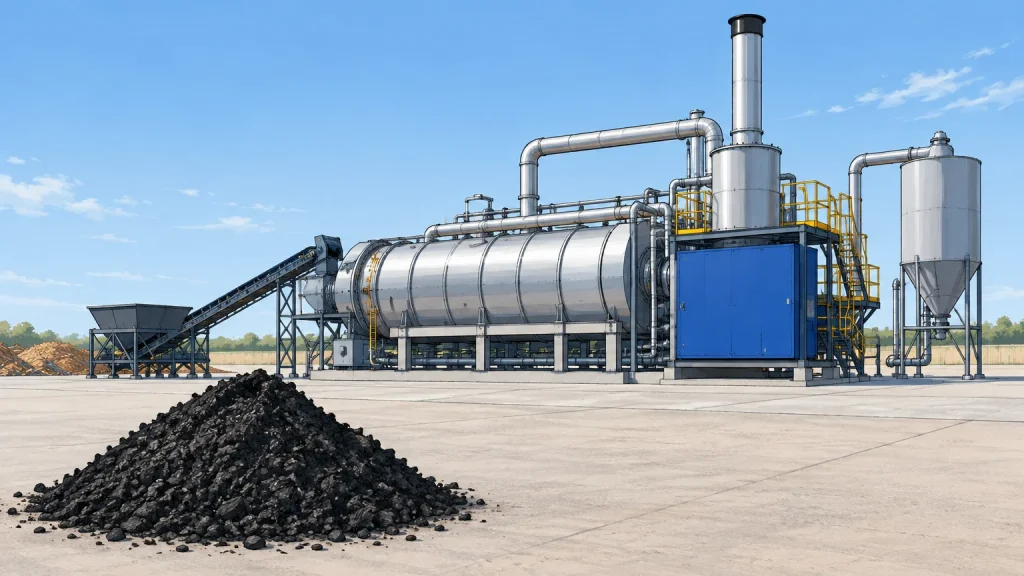
Summary: Carbon-credit support can strengthen a biochar project’s potential value by improving credit eligibility, measurement, verification, and market readiness. It does not guarantee credit issuance, a higher selling price, or positive returns. A defensible valuation combines net removal revenue with biochar sales, operating costs, capital needs, feedstock reliability, and realistic price scenarios.
Can carbon-credit support increase a biochar project’s value? It can improve the credibility and usability of expected credit revenue, but it does not guarantee a higher valuation or sale price. For US operators, the value of a biochar carbon credit project depends on verified net removals, physical biochar markets, capital and operating costs, and buyer terms. Our biochar project economics resource helps frame those connected revenue and cost drivers.
The financial case rests on more than the price of one credit. Credit volume, project costs, biochar sales, and the time required to document and verify results all affect expected returns. Support is most useful when it helps you establish those inputs, identify gaps early, and present a credible project to buyers or financiers.
What does biochar project value include?
Start by separating the project’s total economic value from its carbon-credit revenue. Carbon credits are one potential income stream, while the facility may also earn revenue from physical biochar or recovered energy. A project assessment should include each relevant stream, then subtract capital, feedstock preparation, transport, labor, maintenance, testing, certification, and financing costs.
Credit revenue depends on two distinct estimates: the number of credits a project can issue and the amount buyers will pay for them. The first depends on factors such as feedstock, process conditions, permanence, and life-cycle emissions. The second depends on buyer demand, contract structure, delivery timing, and the project’s documented attributes.
Keep these estimates separate in your financial model. A high indicative price does not establish the number of credits available, and a high credit volume does not establish that every credit will sell at that price. Use expected net revenue, rather than a headline price, when evaluating project value.
How do 2026 credit prices fit into a project model?
A useful 2026 global benchmark comes from the 2026 World Bank report, which places offtake prices for biochar and bioenergy with carbon capture and storage projects in the range of US$100 to US$300 per tonne of carbon dioxide equivalent. This is category-level market evidence, not a price quote or valuation for a specific US project.
Offtake prices relate to an agreement for future delivery, so do not treat them as interchangeable with spot prices or guaranteed project revenue. Model a range of prices and delivery volumes instead. Include the timing of credit issuance and payment, as well as expenses required to produce, document, verify, and sell the credits.
Where can carbon-credit support affect project value?
Suppose a project can produce biochar, but its records do not clearly connect the feedstock to production batches and finished material. Buyers, auditors, or a certification program may then need more evidence before they can assess the credits. Organized documentation helps make the project’s claimed outcomes easier to review.
Support can cover feedstock and production records, biochar testing, digital monitoring and reporting, life-cycle information, certification workflows, audits, and chain of custody. Our biochar carbon credit services address these project-readiness steps. Stronger documentation supports a credible credit pathway, but does not by itself establish eligibility, credit volume, or price.
A 2026 study of biochar credit transactions found a positive association between the number of sustainable development claims and prices. Its price analysis covered 173 transactions with recorded prices, out of 1,716 biochar transactions, using data downloaded in August 2024. The authors also caution that observations with the highest claim counts were limited, so the result does not show that adding claims will cause a particular price premium.
Why must you test costs and other revenue?
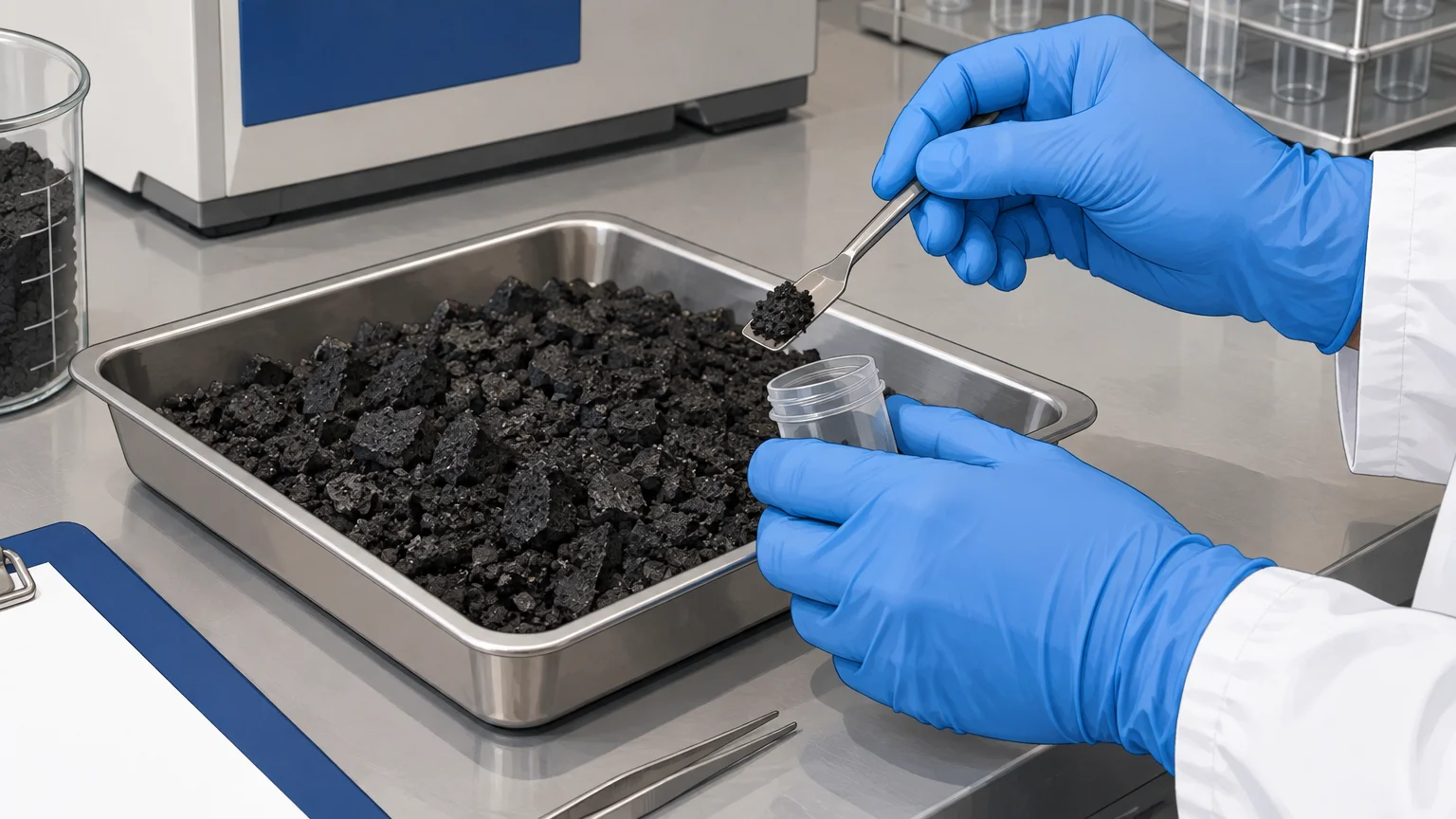
Even a well-documented credit pathway can be uneconomic if production costs exceed expected project revenue. Include capital expenditure, feedstock collection and preparation, transport, labor, maintenance, testing, verification, and financing. Also estimate whether physical biochar sales or energy recovery contribute revenue, and account for the costs of reaching those markets.
A 2024 peer-reviewed analysis of western US projects found positive returns in certain modeled scenarios. Light upgrades to existing biopower facilities generally produced internal rates of return between 10% and 30% in that study. Those results apply to its specific feedstock, facility, and price assumptions; they are not a forecast for a different project.
For your own assessment, test how changes in feedstock cost, facility uptime, credit volume, sale price, and financing affect cash flow. Our ROI of a turnkey biochar project resource is relevant when you are examining project returns. Research and development trial costs can also be applied in full toward a commercial system, helping you test assumptions before committing to scale-up.
Which steps make a project valuation more defensible?
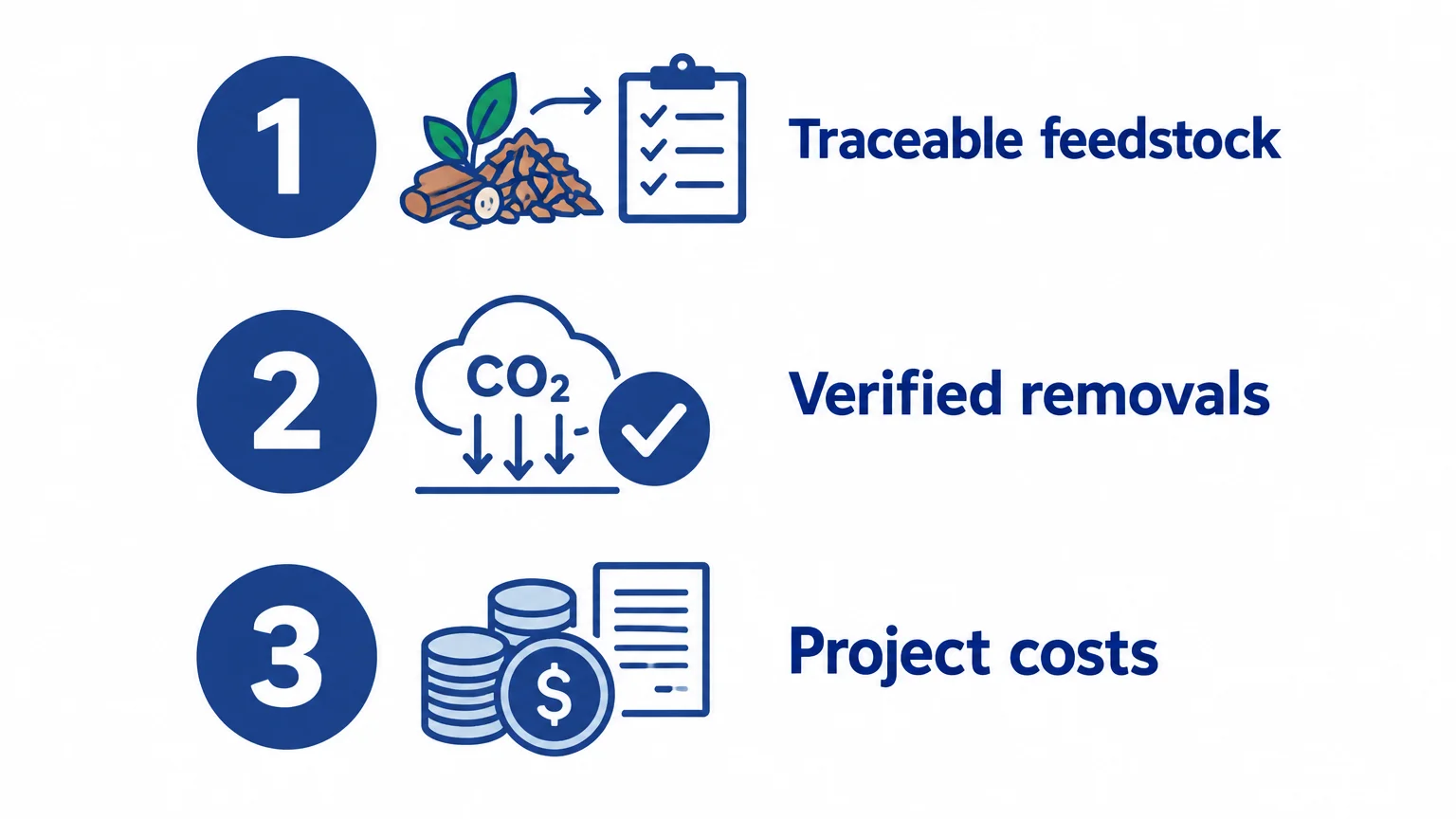
Build the valuation from traceable project inputs rather than a single credit-price assumption. A clear sequence helps you see which estimates are measured, which are modeled, and which need further validation.
- Estimate eligible output. Define feedstock sources, production conditions, expected biochar output, and the evidence needed to establish credit eligibility.
- Calculate net removals. Account for relevant life-cycle emissions and the project’s permanence assumptions before estimating potential credit volume.
- Map the credit pathway. Identify applicable methodology, monitoring, testing, certification, audit, and chain-of-custody requirements.
- Model all project economics. Combine conservative credit revenue assumptions with physical biochar or energy revenue, then subtract capital and operating costs.
- Test uncertainty. Compare scenarios for feedstock supply, production performance, credit prices, verification timing, and financing conditions.
Our biochar carbon project support can help operators organize documentation and prepare for carbon-market steps. The result is a more transparent basis for investment decisions, not a promise of credit issuance or a particular return.
Build value from verified project fundamentals
Biochar carbon credit project value depends on both the potential credits and the full economics of producing and selling them. Carbon-credit support can make a project’s evidence and market pathway more credible, while feedstock, life-cycle performance, costs, and buyer terms still shape the financial outcome. Use project-specific data, conservative price scenarios, and documented assumptions before making investment decisions.
Prepare Your Biochar Carbon Credit Pathway
If you are assessing a project, you need a clear view of the documentation, testing, and market-readiness work behind potential credit revenue. A practical review should connect feedstock and production records with life-cycle information, verification steps, and project economics.
We support operators with feedstock and production documentation, testing, digital monitoring and reporting, certification workflows, audits, and chain-of-custody requirements. These services help prepare a project for review and market access, while credit eligibility, issuance, and value remain specific to the project. Explore our biochar carbon credits support to discuss your project pathway.
Frequently Asked Questions
Can carbon-credit support increase a biochar project’s value?
It can strengthen the project’s potential value by improving documentation, verification readiness, and market access. It does not guarantee a higher credit price, issuance, or return.
What determines the value of biochar carbon credits?
Credit volume and buyer price are separate factors. Feedstock, production conditions, permanence, life-cycle emissions, documentation, and market demand all influence the project’s potential credit revenue.
Does a high credit price mean a project is profitable?
No. Profitability depends on the revenue actually earned and the costs of building, operating, verifying, and financing the project. Include physical biochar or energy revenue where applicable.
What project records should operators prepare?
Organize records for feedstock, production, testing, monitoring, life-cycle information, certification, audits, and chain of custody. The applicable methodology determines the evidence required for a specific credit pathway.
How can Pyronexus support a biochar carbon project?
Our carbon-credit project support helps operators prepare feedstock and production documentation, testing, digital monitoring and reporting, life-cycle information, certification workflows, audits, and chain-of-custody records. This work supports project readiness but does not promise eligibility, issuance, or a specific market value.
