
A Smarter Path for
PFAS-Affected Biosolids
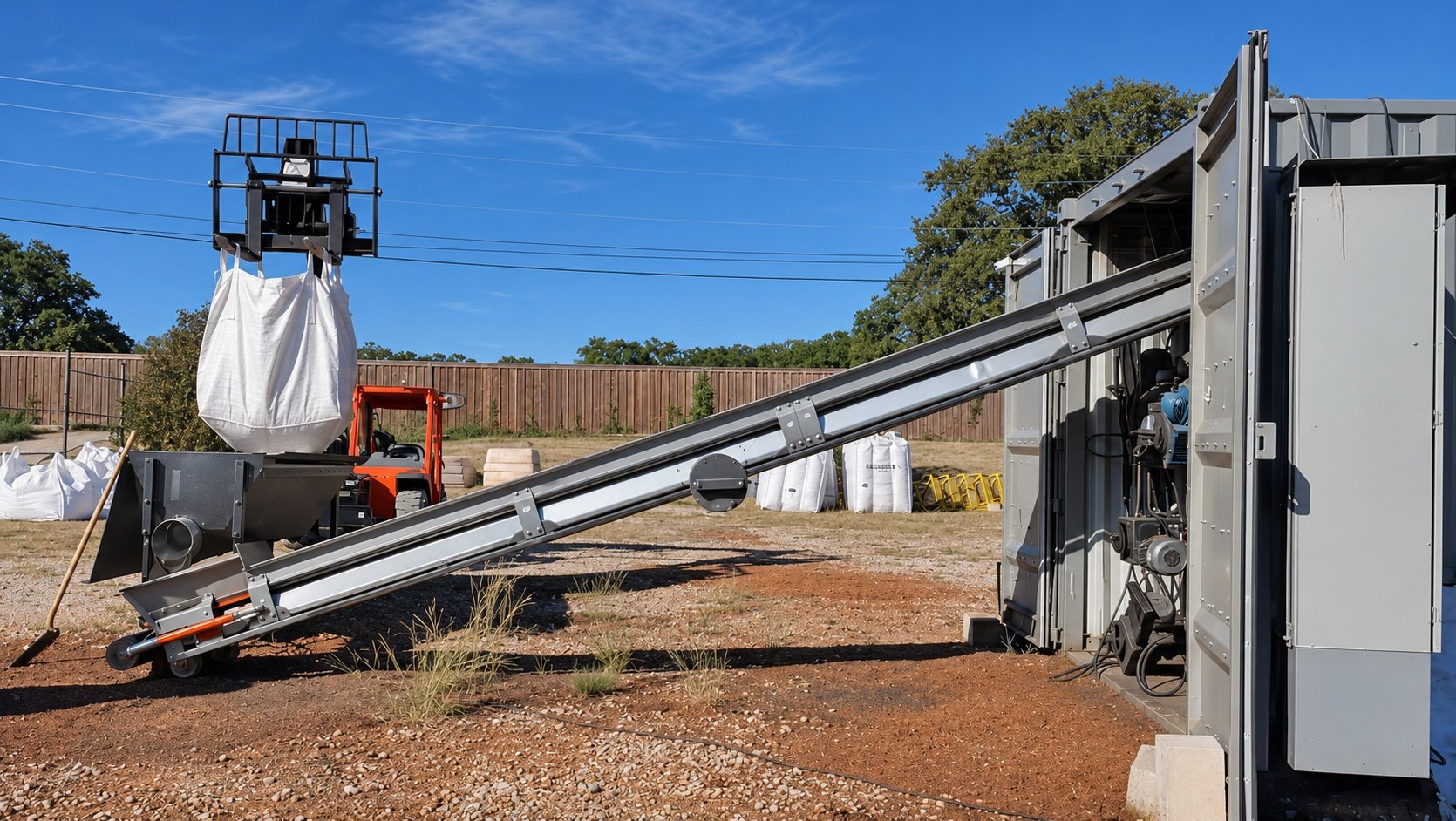
Advanced pyrolysis offers wastewater facilities a new pathway for managing challenging residual solids. Pyronexus combines engineered thermal conversion, feedstock evaluation, and analytical testing to assess PFAS outcomes and produce a carbon-rich solid material.
Pyrolysis equipment shown for illustration of the technology.
PFAS in Biosolids: A Growing Management Challenge
PFAS are a broad group of persistent synthetic chemicals used in consumer, commercial, and industrial products. They can enter wastewater treatment plants through upstream industrial discharges, household sources, and other waste streams. Conventional wastewater treatment is not designed to destroy all PFAS, and certain compounds can partition into sewage sludge.
For wastewater utilities, the challenge extends beyond wastewater treatment: biosolids must be managed in ways that account for evolving science, site-specific risks, and applicable regulations.
Persistent chemicals
Many PFAS resist degradation and can remain in the environment for extended periods.
Complex solids management
PFAS concerns can complicate land application, disposal planning, long-term liability and public confidence.
New treatment pathways
Thermal technologies, including pyrolysis, are being studied as options for treating PFAS-affected solids.
From Biosolids to Engineered Biochar
Pyronexus develops pyrolysis technology to convert prepared biosolids into a carbon-rich solid under controlled, oxygen-limited conditions. The process changes the physical and chemical characteristics of the feedstock and offers a pathway to reduce the amount of residual material requiring management.
Evaluate & prepare
Characterize the biosolids, including moisture, contaminants, physical properties, and handling requirements.
Dewater & dry
Reduce moisture to support stable feeding and thermal processing.
Pyrolyze
Apply controlled high-temperature treatment in an oxygen-limited environment.
Test & validate
Analyze the resulting solid and, where appropriate, other process streams to evaluate PFAS fate, byproducts, emissions and suitability for downstream management.
Pyrolysis in the field
Take a closer look at the equipment, from the on-site team to feed handling and material close-ups.
What Pyrolysis Can — and Cannot — Tell Us About PFAS
Measured reduction in solids
Substantial reductions in measured target PFAS concentrations in the solid product may be achievable under defined treatment conditions. However, non-detect results in biochar alone do not prove that PFAS have been completely mineralized or destroyed throughout the treatment system.
Destruction requires whole-system validation
To evaluate destruction, a rigorous program may need to examine feedstock, solid outputs, gaseous streams, condensates, residuals, potential transformation products, and appropriate mass-balance data. Analytical detection limits and the list of tested compounds are essential to interpreting results.
Measured reduction in a tested material is not the same as verified destruction across the entire process.
Pyronexus is taking a testing-led approach to understanding PFAS behavior during biosolids pyrolysis and translating those findings into responsible, site-specific treatment solutions.
Research-Led. Application-Focused.
Our approach begins with the material. Pyronexus evaluates feedstock conditions, processing requirements, and analytical results to help wastewater utilities determine whether pyrolysis is suitable for their biosolids stream.
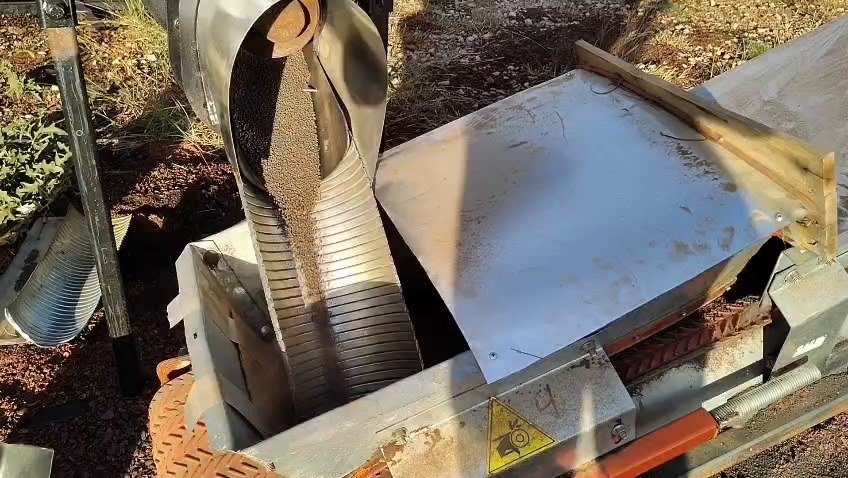
Feedstock characterization
Evaluate moisture, particle characteristics, composition, and relevant contaminants.
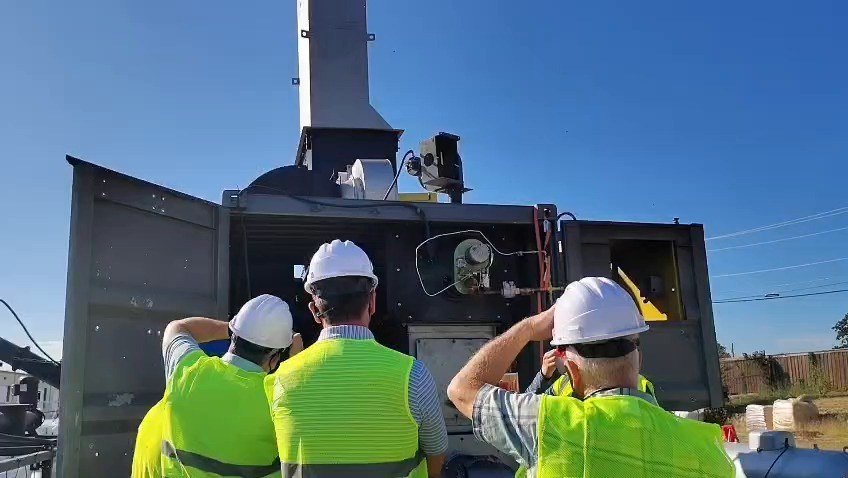
PFAS analytical testing
Use an agreed analytical plan, including suitable laboratory methods, target compounds, reporting limits, and QA/QC procedures.
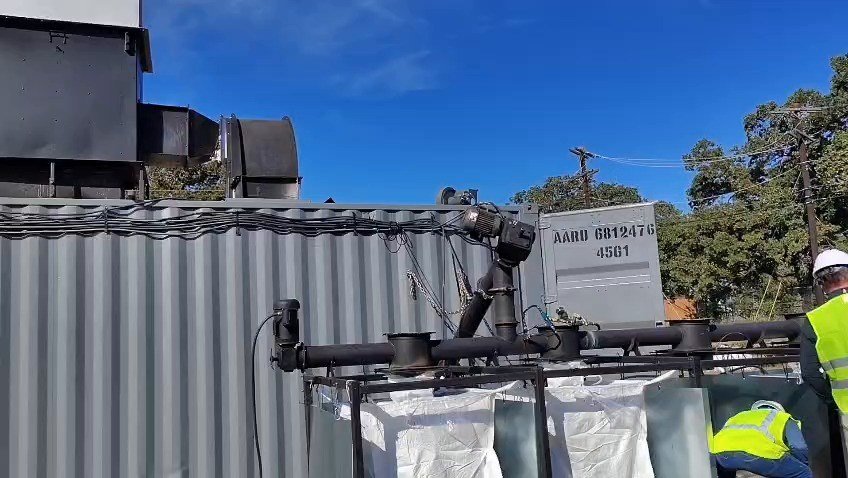
Process and emissions assessment
Evaluate relevant operating data and output streams to understand treatment performance and identify additional testing needs.
A Broader Approach to Biosolids Management
Beyond the PFAS question, pyrolysis may support lower residual solids volumes, reduced reliance on certain disposal pathways, and opportunities for energy recovery. Potential product uses, carbon accounting, compliance and project economics depend on feedstock characteristics, testing, applicable regulations and site-specific design.
- Alternative solids management pathway
- Potential residual mass and volume reduction
- Opportunities to recover useful thermal energy
- Evaluated pathways for using or managing resulting carbon-rich material
Your PFAS Questions, Answered
Understand the process, the testing, and what the results can tell you.
Talk to our teamWhat are PFAS and why are they in biosolids?
PFAS are persistent synthetic chemicals present in numerous products and industrial streams. They can enter municipal wastewater systems and may become associated with the separated solids.
Does pyrolysis destroy PFAS?
Thermal treatment can break down some PFAS under suitable conditions, but actual outcomes depend on the compounds, feedstock, process conditions, and full treatment train. Verified destruction requires appropriate testing beyond the final solid alone.
Does “non-detect” in biochar mean PFAS-free?
No. Non-detect means a compound was not found above the method’s reporting or detection threshold in that sample. It does not establish that every PFAS is absent, or that all PFAS entering the system were destroyed.
Can biochar made from biosolids be used in agriculture?
End uses must be assessed against applicable laws, permits, contaminant testing, quality requirements and customer specifications. Production of biochar does not automatically establish suitability for land application.
How can Pyronexus evaluate our biosolids?
Start with a technical discussion and feedstock information. The team can scope material characterization, process feasibility and a suitable testing plan.
Explore the Science & Guidance
- EPA: PFAS in sewage sludge (opens in a new tab)
- EPA: Destruction & disposal guidance (opens in a new tab)
- EPA: Thermal treatment database (opens in a new tab)
EPA resources explain general science and guidance; they do not constitute EPA endorsement or independent verification of Pyronexus performance. Interim guidance is non-binding and subject to updates.
Let’s Evaluate Your Biosolids Stream
Every biosolids stream is different. Share your material profile, existing handling process and treatment objectives with Pyronexus to explore an engineered, evidence-based path forward.