
BluSky Carbon vs Bioforcetech: A Biochar System Comparison
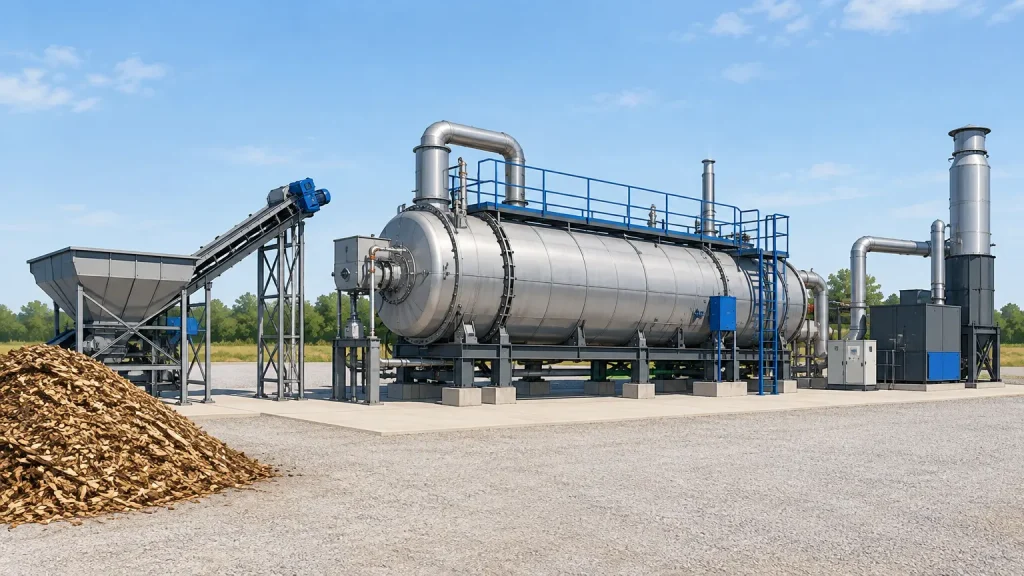
Summary: Bioforcetech is the clearer fit when your project centers on municipal biosolids pretreatment and pyrolysis, with published PFAS testing at a specific facility. BluSky Carbon focuses on biomass to biochar carbon removal, with public descriptions of energy recovery and its Vulcan system line. Compare feedstock, guaranteed throughput, energy balance, biochar specifications, and support scope before choosing.
If your search is “Blusky Carbon vs Bioforce,” the deciding question is whether the system fits your feedstock and site. A reactor that accepts a material on paper can still be a poor fit when moisture, particle size, or contaminant controls mismatch operations. A BluSky Carbon versus Bioforcetech comparison therefore starts with operating requirements, not one headline metric. If carbon market documentation is part of the business case, our biochar carbon credit services are relevant to the path from production records to market preparation.
The companies have different public profiles. BluSky’s materials describe biomass conversion through its Vulcan systems, while Bioforcetech’s public and EPA linked record centers on biosolids processing and PFAS sampling. A 2024 Canadian Securities Exchange profile discussed BluSky’s pilot and planned industrial system, with those plans attributed to the company, not treated as current output guarantees. Read the exchange profile as historical context, then request current project data before comparing capacity or energy use.
How do the two biochar systems differ?
| Comparison criterion | BluSky Carbon | Bioforcetech |
|---|---|---|
| Core project focus | Biomass conversion to biochar and carbon removal through the Vulcan system line. | Biosolids processing with drying before pyrolysis; the resulting material is marketed as OurCarbon. |
| Feedstock and preparation | Public descriptions focus on organic biomass. Confirm preparation requirements for your specific feedstock. | Public materials describe a BioDryer and Sigma pyrolysis system. Its stated feedstock range includes biosolids and other organic materials. |
| Energy integration | A 2024 profile described process gas powering the process. Request a site specific net energy balance. | Request the proposed system’s electrical demand, drying load, and recoverable heat as a single energy balance. |
| Evidence to evaluate | A December 2024 company release described certified laboratory testing of Vulcan Heavy biochar. Product qualification is distinct from credit issuance. | EPA and peer reviewed research examined a specific biosolids facility and its process outputs. |
| Commercial comparison | Compare current equipment configuration, guaranteed feed rate, operating requirements, and project support. | Compare the same operating criteria, including biosolids preparation, testing, and support scope. |
BluSky Carbon
Best for: Biomass owners and project developers evaluating biochar production and carbon removal from organic feedstocks.
BluSky Carbon presents its Vulcan systems as a route from biomass to biochar. A 2024 profile described the Vulcan II pilot and the company’s plans for Vulcan Heavy. It also attributed to the company the claim that pyrolysis gas could power the process. Treat these as dated descriptions, not as a current operating guarantee. Ask for the proposed system’s present configuration, verified operating hours, throughput basis, and net energy figures.
Pros
- The biomass to biochar focus fits projects that want to connect organic waste conversion with carbon removal.
- The company described energy recovery through process gas, making a site specific energy balance a relevant proposal item.
- A December 2024 company release described certified laboratory testing of Vulcan Heavy biochar against its stated quality requirements for carbon credit transactions. That result concerns product quality, not credit issuance.
Cons
- For biosolids projects, specify the required drying and contaminant controls in the request for proposal. Do not assume they match a system designed around a different feedstock.
Bioforcetech
Best for: Wastewater operators and project developers whose starting point is biosolids processing.
Bioforcetech describes a process combining biological drying and pyrolysis. Its EPA field test involved biosolids, biochar, scrubber water, and exhaust sampling at a specific facility. An EPA presentation reported no reportable PFAS in produced biochar, while noting that additional research was needed to understand potential releases to air and water. Review the EPA field test summary for its scope and limitations.
A peer reviewed paper also documents the facility’s pilot study and sampling approach. That evidence helps operators frame technical questions, but it does not establish results for every feedstock or project configuration. Read the published pilot study alongside your own feedstock testing and proposed operating conditions.
Pros
- The drying and pyrolysis pathway directly addresses biosolids preparation before thermal processing.
- EPA and peer reviewed testing provide a documented basis for discussing PFAS sampling and process outputs at the studied facility.
- Bioforcetech’s stated feedstock range includes several organic materials beyond biosolids, which can be relevant when project inputs vary.
Cons
- The published PFAS evidence is tied to a particular facility and tested material. Operators should test their own feedstock and confirm the proposed system’s process conditions.
What should you verify before comparing proposals?
Start with a representative feedstock sample. Record moisture, particle size, composition, contaminants, and how consistently the material arrives. Then ask each supplier to state its accepted feedstock conditions, required pretreatment, expected operating range, and the basis for any production estimate. A stated feedstock list is not a substitute for a test using your material.
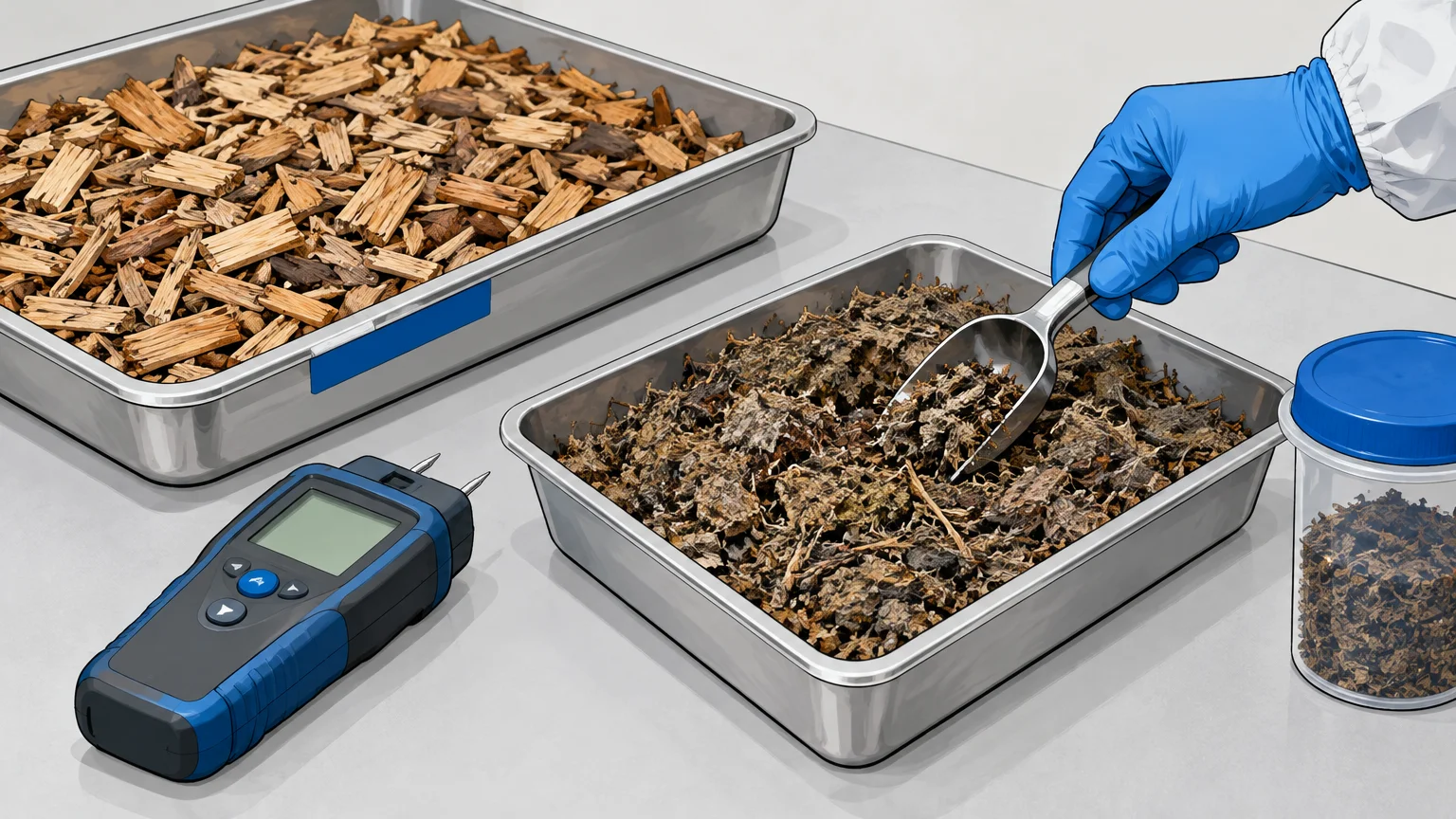
Biochar characteristics also depend on the feedstock and production conditions. The USDA Agricultural Research Service notes that feedstock, production, cooling, and storage influence biochar’s physical and chemical properties. Use the USDA biochar overview as a reminder to test the final material against its intended use, rather than relying on a generic product description.
Next, compare the whole plant boundary, not just the reactor. Include drying, material handling, cooling, emissions controls, utilities, labor, maintenance, and biochar collection. Ask for electrical and thermal energy use per unit of feedstock, the assumptions behind any recovered energy, and whether the figures include pretreatment. Request a guaranteed feed rate on your prepared material, with the measurement period and operating conditions clearly stated.
How should you compare biochar quality and carbon claims?
Separate three questions: what material the system produces, whether that material suits its intended application, and whether the project can support a verified carbon claim. Ask for test methods, sample collection details, laboratory results, and the chain of custody for each product. Carbon credit eligibility requires project documentation and monitoring, not just a reactor description or a favorable biochar test.
For an agricultural, filtration, or industrial application, define the target properties before selecting equipment. Our explanation of biochar carbon sequestration methods can help clarify why stable carbon, testing, and the intended end use belong in the same project discussion.
Where Pyronexus fits
If you need support beyond selecting a reactor, we work across feedstock characterization, trials, engineering, commissioning, operations and maintenance, product development, and carbon project documentation. Our support for biochar carbon projects connects those project stages so you can assess technical fit and commercialization needs together. Define your feedstock and intended product first, then scope the equipment and services around those requirements.
Questions to put to both suppliers
Use the same questions in each technical proposal so you can compare like with like. Ask for test conditions, performance guarantees, and the documents supporting each estimate.
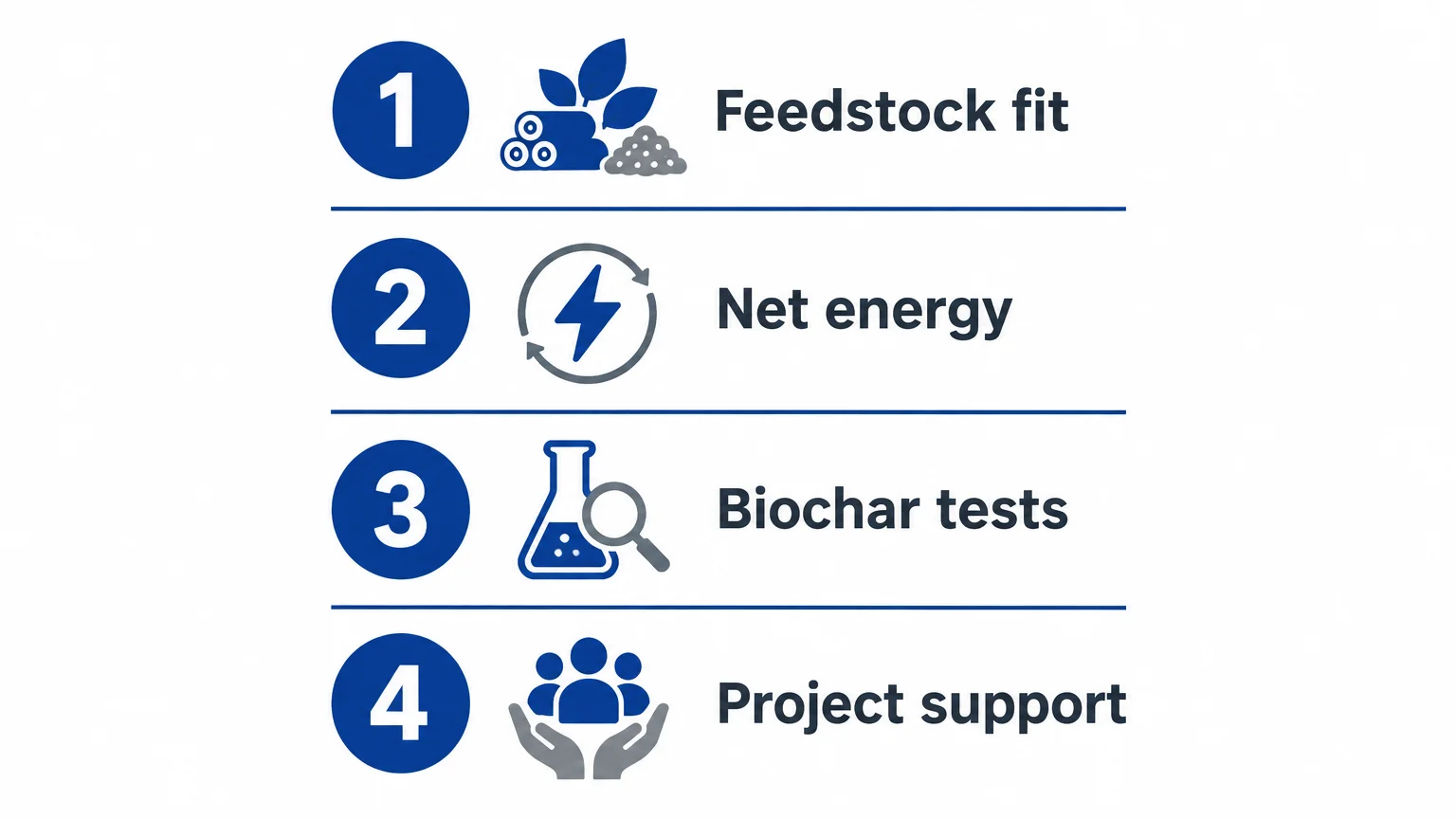
- What feedstock properties and preparation steps does the proposal assume?
- What throughput is guaranteed, and how is it measured?
- What are the system’s total electrical and thermal inputs, including drying?
- Which biochar tests and application requirements are included?
- What commissioning, maintenance, and carbon documentation support is included?
Conclusion
Bioforcetech has a more directly documented fit for biosolids pretreatment and pyrolysis, including EPA testing at a specific facility. BluSky Carbon’s public positioning centers on biomass to biochar production and carbon removal, with company described energy recovery. Your strongest biochar system comparison will use the same feedstock data, energy boundary, output tests, and support requirements for both proposals. Choose only after suppliers address those project conditions in writing.
Plan a Biochar Project Around Your Feedstock
A supplier comparison is most useful when it follows a clear project definition. If you are assessing biomass, biosolids, production goals, or a potential carbon pathway, we can help you evaluate the work required before committing to a commercial system.
Our services include feedstock characterization, small and large scale trials, engineering, reactor deployment, operations and maintenance, biochar product development, and carbon credit project support. These steps help you connect process decisions with your intended biochar application and documentation needs. To discuss a project’s carbon pathway, explore biochar carbon credits.
Frequently Asked Questions
What is the main difference between BluSky Carbon and Bioforcetech?
BluSky Carbon’s public positioning emphasizes biomass to biochar carbon removal through its Vulcan systems. Bioforcetech’s public record emphasizes biosolids drying and pyrolysis, including testing at a specific facility.
Is Bioforcetech only for biosolids?
No. Its public materials describe a broader range of organic feedstocks. Ask the company to confirm the proposed configuration and preparation requirements for your exact material.
Does biochar testing mean a project has issued carbon credits?
No. Product testing evaluates material properties or eligibility criteria. Carbon credit issuance involves separate project documentation, monitoring, verification, and applicable certification steps.
What should you ask about energy use?
Request total electrical and thermal inputs, including drying and material handling. Ask how recovered energy is measured and whether the figures apply to your prepared feedstock.
How can you compare biochar quality?
Set the intended application and required properties before comparing samples. Request test methods, laboratory results, sampling details, and chain of custody for the material produced under relevant operating conditions.
