
Biochar Production from Biomass Waste: A Practical Guide
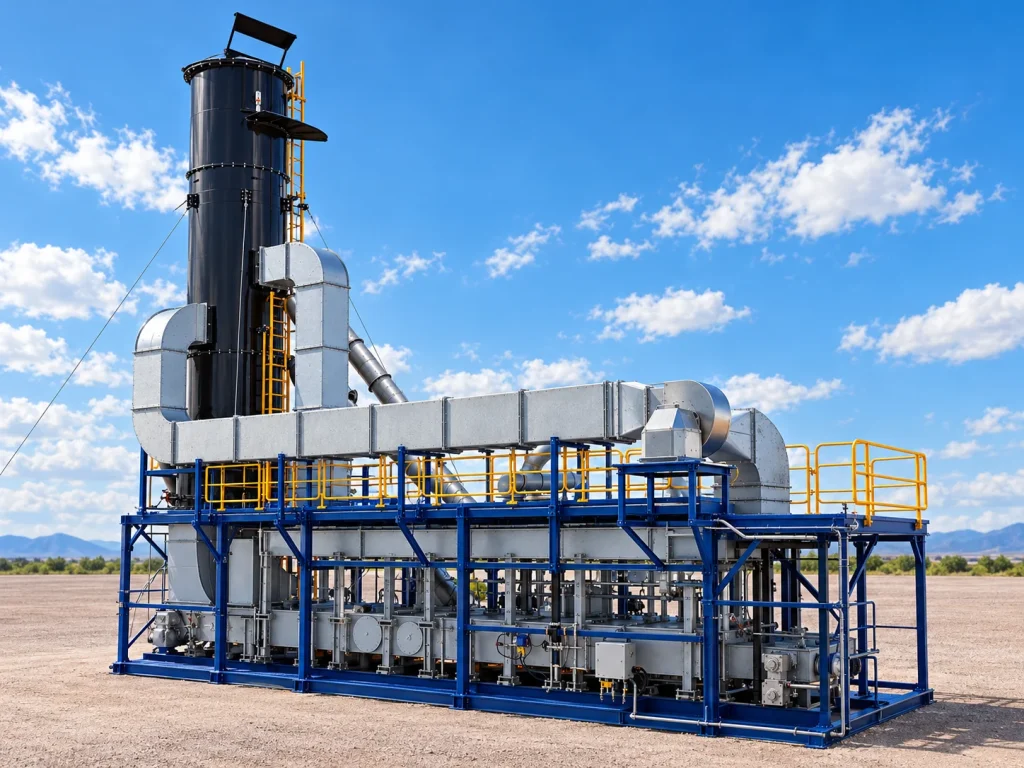
Summary: Biochar production from biomass waste turns suitable agricultural, forestry, food, and other organic residues into a carbon-rich solid through controlled thermal conversion. Feedstock moisture, ash, contaminants, and composition, along with reactor conditions, influence yield and performance. A practical project starts by characterizing local materials, choosing a process suited to their condition and intended use, and testing the resulting biochar before scaling.
Can a discarded crop residue become a consistent carbon product? Biochar production from biomass waste depends on more than a kiln: the residue’s origin, moisture, mineral content, and intended use shape the result. Our basic principles of biochar production explain the fundamentals, but a viable project starts by identifying waste streams that can be sourced sustainably and prepared reliably.
For US operators, this decision affects collection, storage, preprocessing, and whether the output can suit a defined application. Pyrolysis is a common route when a carbon-rich solid is the main objective. Hydrothermal carbonization can suit wet feedstocks, while gasification generally prioritizes fuel gas. There is no universal yield or temperature target; characterize the material and choose operating conditions around the required biochar.
Which biomass waste is suitable for biochar?
Crop residues, forestry residues, yard and food waste, manures, wastewater solids, and organic industrial residues may all be candidates. Their availability does not automatically make them suitable. Feedstock selection should consider sustainable sourcing, competing uses, consistency, transport distance, and storage needs.
Feedstock screening should examine moisture, particle size, ash, composition, and contaminants. These properties affect handling, process behavior, and the resulting char. Materials from mixed or industrial waste streams may need particular scrutiny. Test representative samples before making equipment decisions, and account for changes in supply across seasons.
A 2026 experiment in Qatar illustrates why results cannot be transferred directly between feedstocks. In that study, woody agricultural waste reached a 71.28% solid yield at 300°C and 20 minutes, while green agricultural waste reached 60%. At 600°C, the woody feedstock’s char had a measured surface area of 684 m²/g. These are results for the tested materials and conditions, not general production targets, as detailed in a 2026 feedstock study.
A wet feedstock may call for a different conversion route
A wet manure or food-processing residue presents a different preparation challenge from dry wood chips. Thermal conversion routes vary in their preferred inputs and outputs. Our overview of the biochar production process can help you understand how process choices affect the material produced.
Pyrolysis heats biomass in a limited-oxygen environment, producing a solid char alongside vapors and gases. Slow pyrolysis is often selected when biochar is the priority; faster conditions can shift more output toward liquids and gas. Actual yield depends on the feedstock, reactor, and operating conditions.
Hydrothermal carbonization uses hot, pressurized water and can process wet materials without first drying them to the same extent as many pyrolysis systems. It produces hydrochar, whose properties and potential uses may differ from conventional pyrolysis biochar. Gasification instead uses a controlled gasifying agent and is generally designed to produce fuel gas, with char as a secondary output.
How do operating conditions shape the biochar?
Temperature, heating rate, and residence time influence how much solid remains and what properties it has. More severe heating may reduce solid yield while changing carbon structure, surface characteristics, and mineral concentration. The direction and scale of those changes depend on the input and reactor conditions.
Do not treat one temperature as optimal for every application. A char intended for soil use may need different properties from one developed for filtration or industrial materials. Define the target first, then evaluate samples against relevant product requirements.
A 2026 study available through National Cheng Kung University investigated high-temperature carbonization of biomass wastes using Taguchi and statistical optimization methods. Its feedstock-specific approach illustrates why operators should test process settings rather than assume a single recipe suits every residue. See the 2026 optimization study.
What should you prepare and test before scaling?
Consistent production starts before material enters the reactor. Screening, size reduction, and drying can support reliable feeding and heat transfer. Moisture matters because removing water consumes energy; measure it across deliveries, not just in one initial sample.
For our reactor feedstock, Pyronexus specifies particle size below 1 inch and moisture below 20%. Integrated grinding and drying systems can prepare biomass to meet these operating conditions. These are system-specific thresholds, not universal standards, and they do not establish that every biomass type is suitable.
Where feedstock or product performance is uncertain, consider characterization and controlled trials before committing to scale. Our research and development work can include feedstock testing, process-flow assessment, laboratory analysis, biochar reports, mass and energy balances, life-cycle assessment, and techno-economic analysis. The appropriate scope depends on your project and its questions.
How should you match production equipment to the project?
Begin with dependable information about the amount, condition, and location of the biomass. Then consider handling, drying, reactor operation, cooling, emissions management, and finished-char packaging. A system may combine these elements, but the configuration should reflect the specific feedstock, production scale, and project objectives.
A 2026 environmental and economic assessment evaluated a parallel production model for straw and manure using data from the University of Leeds Research Farm. The study’s separate processing lines show how different feedstocks can call for different process arrangements; they do not establish that one configuration fits every site. Read the 2026 system assessment.
Our biochar reactors for biomass disposal can be configured around feedstock, scale, and project objectives. Systems can include reactors, dryers, material handling, automation, cooling, emissions-control, and packaging components. For larger project planning, our biochar production plants page describes the plant-level pathway. Confirm proposed components and site requirements during project development.
Turn feedstock knowledge into a production plan
Successful biochar production starts with suitable, traceable biomass and a clear end-use specification. Characterize the feedstock, account for moisture and contaminants, select a conversion route that matches the material, and test the resulting char. Biochar from biomass waste is most useful when the production process is designed around real feedstock conditions, not assumed averages.
Plan Your Biochar Production Project
Once you understand your feedstock and target product, you can assess whether a trial, modular system, or larger facility suits your operation. We support project development from feedstock characterization and trials through engineering and equipment planning, connecting process decisions with your project’s scale and objectives.
Our systems can be configured with reactors, dryers, material handling, automation, cooling, emissions-control, and packaging components as project needs require. Research and development trials can include laboratory testing and technical reporting, and 100% of trial costs can be applied toward a commercial system. To discuss a configuration for your feedstock and goals, explore our biochar production equipment.
Frequently Asked Questions
What types of biomass waste can become biochar?
Potential feedstocks include crop and forestry residues, food and yard waste, manures, wastewater solids, and other organic residues. Suitability depends on composition, contaminants, preparation needs, supply, and the intended application.
Is pyrolysis the only way to produce biochar?
No. Hydrothermal carbonization can process wet biomass and produces hydrochar, while gasification focuses mainly on fuel gas. The routes produce different materials and outputs, so match the process to your feedstock and project objective.
Does a higher pyrolysis temperature always mean better biochar?
No. Temperature changes yield and material properties, but the effects depend on feedstock, reactor design, and residence time. Define the intended use and test the resulting material before choosing operating conditions.
What feedstock preparation does a biochar reactor require?
Preparation may involve drying, size reduction, screening, and checks for contaminants. Our reactor assessment considers feedstock conditions and preparation requirements, since system-specific criteria do not guarantee that every biomass is suitable.
How can Pyronexus help evaluate biomass before a commercial system?
We can support feedstock characterization, trials, laboratory testing, process-flow assessment, and technical analysis before scale-up. Trial scope is project-specific, and trial costs can be applied toward a commercial system.
