
Used Biochar Kilns for Sale: A Buyer’s Guide for U.S.
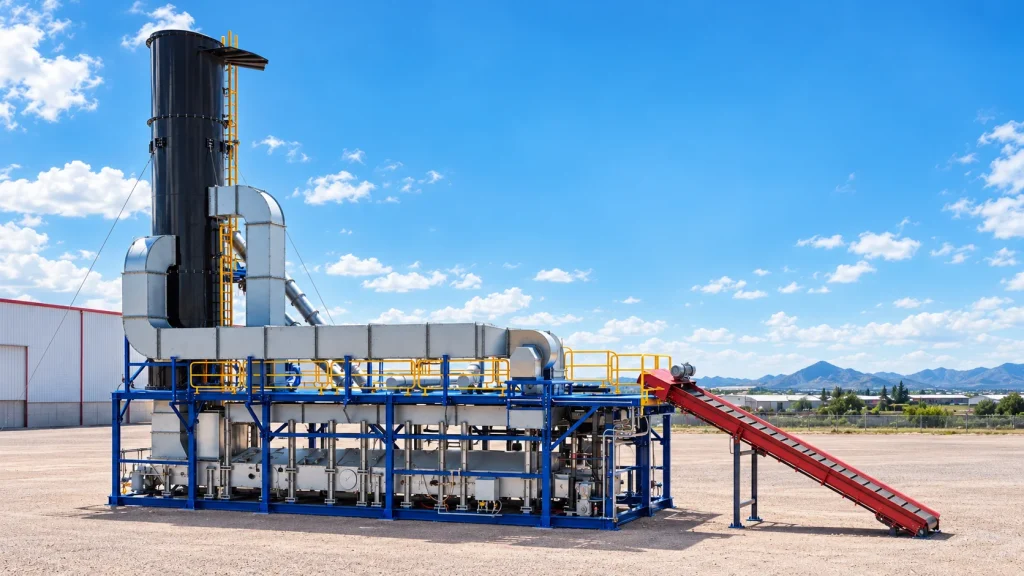
Summary: One U.S. listing reviewed on October 19, 2026, advertises a used 2025 Air Burners CharBoss T26 in Woodstock, Georgia. The seller lists two units, 150 hours, and warranty coverage, but no public price. It is a mobile biochar system, not a conventional stationary kiln, so confirm process fit and inspect it before purchase.
Searching for a used biochar kiln for sale can lead you to hobby retorts, general industrial kilns, and larger biochar systems. The current U.S. listing identified here is a mobile CharBoss biochar system, not a conventional stationary kiln. If your project requires a configured commercial system instead, review our commercial biochar kiln options.
Price alone does not establish whether used equipment suits your site. You also need to assess feedstock, operating scale, fuel, transport, maintenance, and operating requirements. A USDA Forest Service guide describes mobile flame-cap operations, including crew and material-handling considerations. Use it as planning context, not as proof that a specific used system fits your project.
Which used biochar system is currently listed in the U.S.?
For buyers seeking an identifiable used option, one current listing stands out as a lead to confirm. The seller describes it as a biochar-producing mobile system, but the listing does not make it a conventional kiln or establish that it has been independently inspected.
| Rank | Listing | Price | Condition and hours | Location and type |
|---|---|---|---|---|
| 1 | 2025 Air Burners CharBoss T26 | Call for price | Advertised used, 150 hours | Woodstock, Georgia; mobile system |
1. Air Burners CharBoss T26
Best for: Buyers considering a mobile system for converting wood and vegetative waste, subject to confirming feedstock fit, operating needs, and site requirements.
The seller’s listing identifies a 2025 unit as used, with 150 hours and an accurate, verified hour meter. It states that two units are available immediately and that they are under warranty. The listed price is available by contacting the seller.
The equipment is described as a self-contained, trailerable FireBox system with an internal conveyor and quenching pan. The listing specifies a 25 horsepower diesel engine and says fuel consumption is about 1.1 gallons per hour at full power. Its stated shipping weight is 19,441 pounds. Confirm current availability, price, warranty coverage, maintenance records, and operating history directly with the seller.
Pros
- The seller describes a mobile configuration with integrated biochar handling and quenching components.
- The listing provides a reported hour reading and identifies two units, offering specific details to verify before arranging an inspection.
Cons
- This is a mobile air-curtain and FireBox system, not a stationary retort. Its operating configuration may not suit a project designed around enclosed, fixed-site processing.
- The listed shipping weight makes towing, freight, loading, and site access important purchase considerations.
What should you verify before buying used equipment?
Before paying a deposit, ask for the machine’s serial number, ownership documents, operating and service records, and written warranty terms. Arrange an in-person inspection and a demonstration under appropriate operating conditions. Check the firebox lining, conveyor, quenching equipment, engine, controls, trailer, brakes, and safety components. For maintenance work, establish how hazardous energy is isolated; OSHA’s energy-control standard covers workplace lockout and tagout procedures.
Match the unit to your feedstock and production plan rather than relying on a general equipment label. Ask what materials the seller has actually processed, what preparation was required, and what throughput was demonstrated. Confirm whether the machine can be transported, unloaded, and integrated at your site. For stationary installations, ask the relevant air authority whether construction or operating permits apply. The EPA permit overview explains that state and local agencies issue most Title V operating permits, which apply to major sources and certain smaller sources.
When might a customized system be a better fit?
If you need a system configured around a particular feedstock and production scale, rather than a used mobile unit, our biochar kiln equipment is configured to project requirements. We also provide feedstock characterization, trials, laboratory testing, and process assessment to inform equipment decisions. Our stated operating conditions require feedstock particle size below 1 inch and moisture content below 20%; suitability still depends on the specific biomass.
For projects that need a broader equipment and project scope, our biochar production equipment can be considered alongside material handling, drying, and system integration needs. Trial costs can be applied in full toward a commercial system. Define the trial and commercial scope with our team before relying on that credit in your project budget.
Conclusion
Before committing to a used biochar kiln or mobile production system, confirm the equipment type, feedstock fit, documented condition, total transport needs, and site requirements. The CharBoss listing provides a specific U.S. lead, but it does not replace an inspection or direct confirmation of price and terms. If its mobile configuration does not match your project, compare it with a system designed around your feedstock and operating plan.
Discuss Your Biochar Equipment Requirements
A used unit can be a practical option when its condition, operating history, and configuration match your project. If you need a different scale or an integrated project pathway, we can help you assess feedstock, system requirements, and the work needed before deployment.
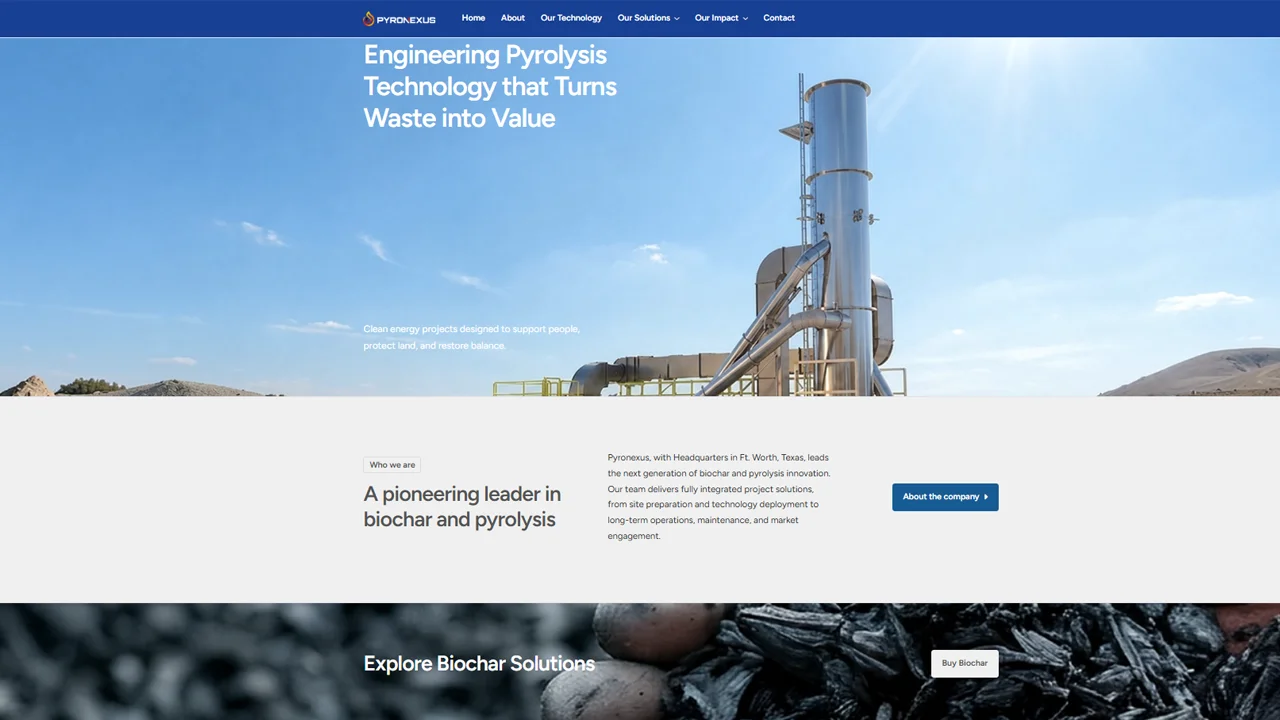
Our configurable reactor systems can include drying, material handling, automation, cooling, and packaging components. We also provide feedstock characterization and production trials to inform project decisions. Trial costs can be applied in full toward a commercial system. To discuss a project-specific route, review our commercial biochar kiln options.
Frequently Asked Questions
Is the listed CharBoss a conventional biochar kiln?
No. The seller describes it as a mobile FireBox and air-curtain system that produces biochar. Confirm that its configuration suits your process before treating it as a substitute for a stationary retort.
Does the listing publish an asking price?
No public asking price is shown. Contact the seller for the current price, availability, and any terms that apply.
What should you request from the seller?
Ask for maintenance and operating records, written warranty terms, ownership documents, and details of included components. Arrange an inspection and demonstration before finalizing a purchase.
Will the equipment process any type of biomass?
The listing describes wood and vegetative waste, but does not establish compatibility with every feedstock. Ask what materials have been run and whether your biomass needs preparation.
Should you check permits before purchasing?
Yes. Ask the relevant state or local authorities which requirements apply to your proposed site and operation. Do this before finalizing transport or installation plans.
