
Support for Biochar Carbon Projects: A Practical US Guide
Summary: Effective biochar project support connects feedstock qualification, engineering, monitoring, reporting, verification, certification preparation, and market planning. For US operators, the right partner aligns those workstreams with a suitable methodology, clarifies who owns each record, and distinguishes project preparation from independent verification. Start early, before design and operating decisions become difficult to change.
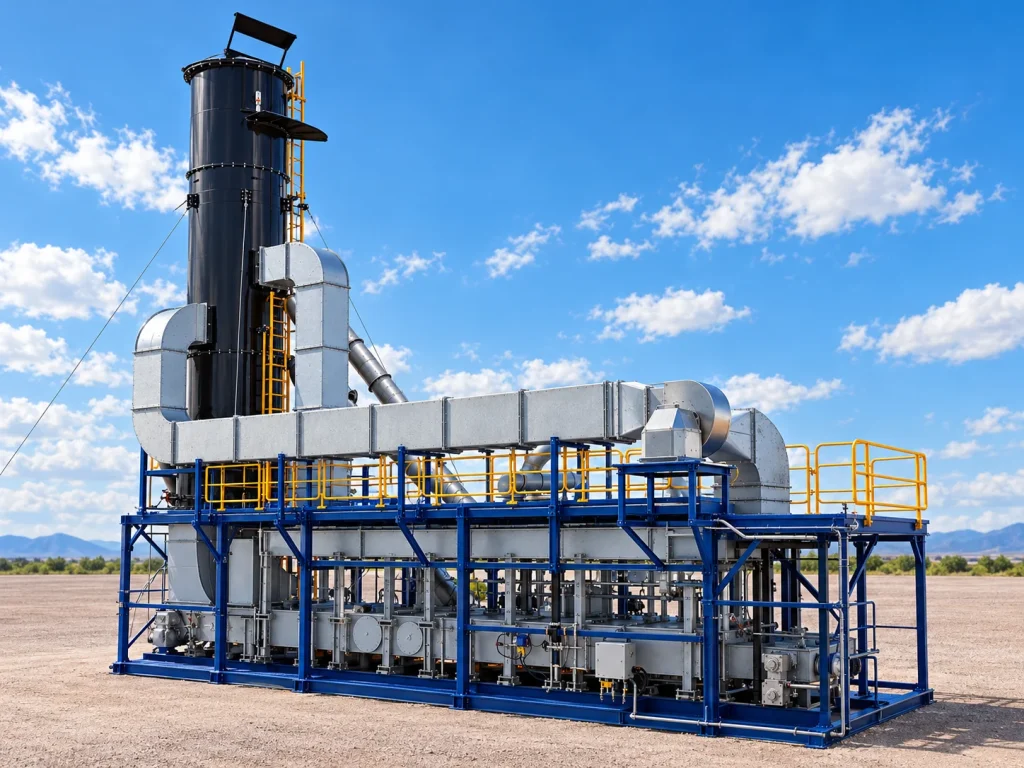
A biochar facility can produce a saleable material yet still lack the records needed to demonstrate durable carbon removal. Gaps often appear between feedstock purchases, conversion data, biochar testing, and proof of final use. If you are planning an early-stage US project, our biochar systems for project developers page describes the equipment and development context behind a production pathway.
Effective support for biochar carbon projects begins before commissioning. It connects operating plans with a crediting methodology, assigns data responsibilities, and establishes how net removals will be evidenced. You may use different specialists for engineering, methodology interpretation, independent verification, registry administration, and buyer access. Define those roles before you sign an engagement.
What should support cover across a project?
Which workstreams need to connect for a credit-ready project? At minimum, you need a consistent account of biomass entering the site, its conversion, the resulting biochar, its final use, and relevant lifecycle emissions.
Project-development support can cover feasibility, site planning, engineering, equipment integration, and commissioning. Carbon-project support adds feedstock records, production and testing data, lifecycle information, digital monitoring, chain of custody, certification preparation, audit coordination, and market pathways. Confirm which tasks the provider performs and which remain with your staff, a verifier, or a registry.
Keep the distinction clear: project support prepares the evidence and operating systems; it does not guarantee that a registry will approve a project or issue credits. A well-scoped engagement identifies required documents, responsible parties, review points, and unresolved eligibility questions.
Establish feedstock eligibility and a project baseline
Imagine two facilities processing the same type of agricultural residue. Their carbon-credit potential can differ if one has traceable supply records and the other cannot show where its biomass came from or what would have happened to it otherwise.
Document the source, type, quantity, prior use, transport, storage, and preparation of feedstock. Record supplier terms and explain why the material qualifies under your chosen methodology. Assess competing uses and the project’s baseline scenario before assuming the biomass is available as waste.
The June 2026 IETA brief describes crediting steps that include sustainable sourcing, biochar characterization, approved end use, lifecycle emissions accounting, monitoring, and independent third-party verification. Treat these as connected evidence requirements, not separate paperwork tasks.
Feedstock preparation also matters to technical design. For our reactor operating conditions, the specified feedstock target is particle size below 1 inch and moisture below 20%, with grinding and drying used for preparation. Those thresholds should not be assumed to apply universally across technologies.
If you need to test feedstock behavior before scale-up, our biochar research and consulting work includes characterization, trials, laboratory analysis, process-flow assessment, life-cycle assessment, and techno-economic analysis. Testing can inform whether a feedstock and process fit the intended project before commercial equipment decisions.
Build MRV around physical operations
Monitoring, reporting, and verification become more useful when they follow the material through the facility. Map each important data point to its source, owner, collection frequency, evidence file, and quality check.
Build a record for biomass received, material processed, operating conditions, biochar produced, laboratory samples, transport, and final use. Connect weigh tickets, supplier records, production logs, laboratory reports, and delivery documents with consistent dates and batch identifiers. Preserve corrections and explain missing or unusual data rather than silently replacing them.
A study published on October 15, 2026, describes a digital MRV architecture for distributed biochar projects operating in India, Kenya, the United States, and Canada. The October 2026 study discusses automated data checks and operator-friendly data entry as components of that approach.
Digital tools are useful when they support a defined evidence plan. They do not replace clear procedures, staff training, laboratory controls, or independent review. Decide how reactor data will connect to project records before commissioning, especially if several sites or production units will contribute to one project.
Choose a methodology and verification route
Which crediting pathway fits your feedstock, biochar use, project location, and proposed monitoring plan? Compare its eligibility rules and documentation requirements before designing the crediting strategy around assumed revenue.
For US operators, the Climate Action Reserve’s US and Canada protocol provides accounting, reporting, and verification guidance for biochar carbon removals. As of October 25, 2026, its page lists Version 1.0 for project submittal and says an update to Version 1.1 is in progress.
A methodology is not the same as an advisory service or an independent verification. Ask who interprets the rules, who prepares project documents, who performs verification, and who manages registry submissions. Confirm the verifier’s independence and applicable qualifications through the relevant program.
If your funding plan includes federal support alongside carbon-credit revenue, map each program’s reporting obligations separately. A 2024 WRI analysis found that MRV requirements in US federal policies supporting novel carbon removal were not consistent or comprehensive. That finding concerns federal policy, so it should not be treated as a description of every registry or methodology.
Compare providers by deliverables and handoffs
Before selecting a provider, ask for a written scope that covers the project stage, work products, exclusions, schedule, and handoffs. Check whether the support connects technical feasibility with the carbon documentation the project will need.
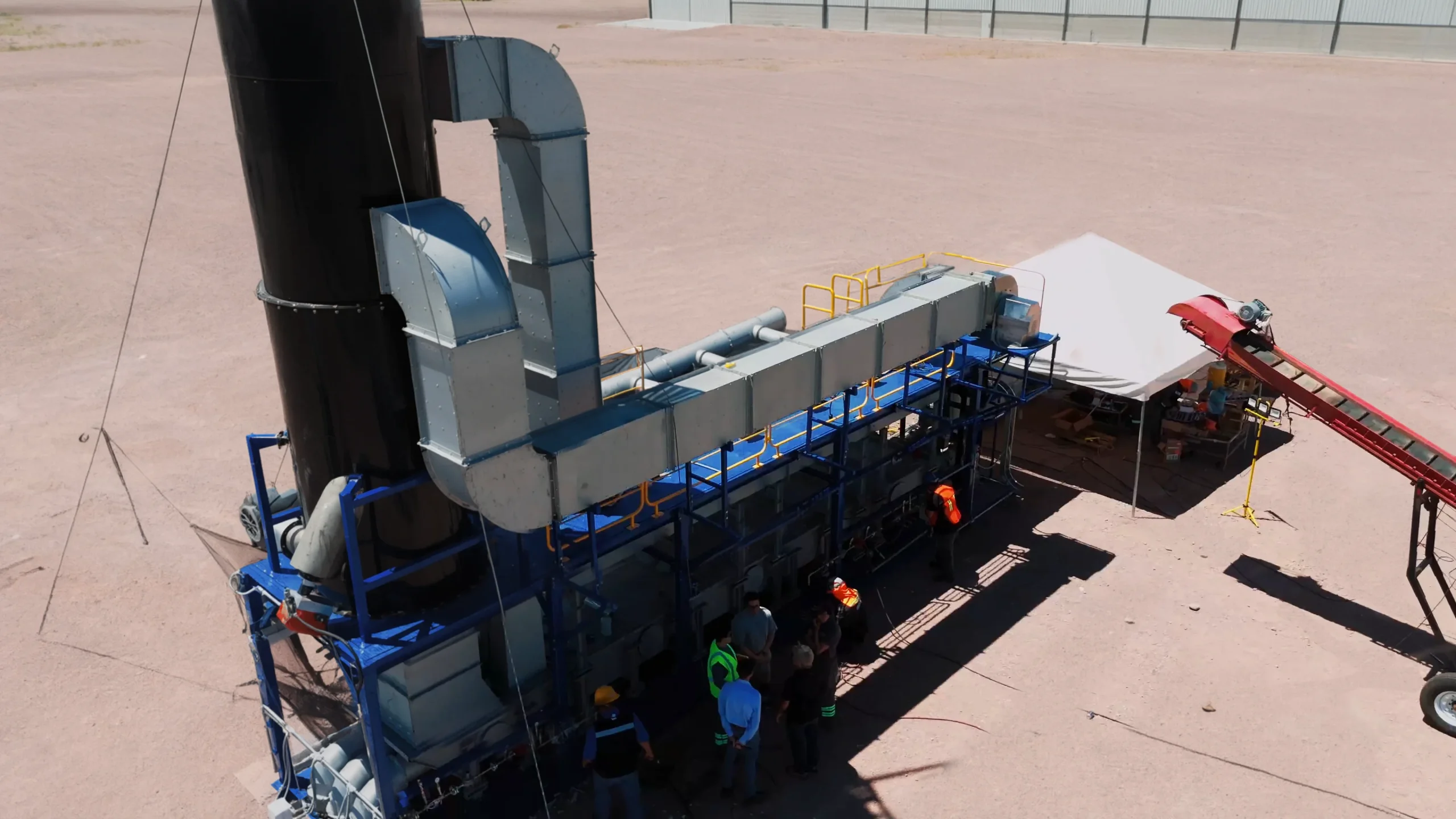
- Feedstock fit: Will the provider assess biomass characteristics, sourcing records, preparation needs, and competing uses?
- Technical scope: Does the work cover trials, reactor configuration, site integration, commissioning, or ongoing operations?
- MRV ownership: Who collects, checks, stores, and submits production, laboratory, transport, and end-use records?
- Verification boundary: Which tasks prepare the project, and which decisions belong to an independent verifier or registry?
- Commercial pathway: Does the scope include market preparation, biochar commercialization, or buyer connections, without promising credit issuance or sales?
- Costs and handoffs: Are project-specific fees, deliverables, assumptions, and responsibility changes clear before work begins?
Our work spans project development, feedstock evaluation, trials, system configuration, operations and maintenance, commercialization, and carbon-credit documentation. Our turnkey biochar project guarantees page states that 100% of trial costs can be applied toward a commercial system. Confirm the scope and terms that apply to your project before proceeding.
For a pilot, request a defined test plan and reporting package. For a commercial facility, confirm how feasibility, equipment, site integration, commissioning, and ongoing operations fit together. A provider that can support several stages may reduce handoff gaps, while independent verification and registry decisions remain separate responsibilities.
Make project evidence part of project design
Strong biochar carbon project support links feedstock traceability, technical performance, product testing, approved end use, and transparent accounting from the start. Select a methodology early, assign every evidence task, and choose a partner whose documented scope matches your project stage. Treat credit issuance and revenue as outcomes to demonstrate, not assumptions to build into the plan.
Discuss Your Biochar Project Development Needs
If you are moving from a feedstock concept to an operating project, coordination across trials, engineering, and carbon documentation can surface important questions earlier. Our work covers feasibility, feedstock assessment, reactor configuration, project development, and credit-readiness workflows.
Request a conversation about our biochar project development support to define your scope, feedstock questions, production scale, and site-integration needs. We can discuss how research, equipment, operations, commercialization, and carbon-credit documentation fit your plans, and clarify which steps require independent verification or registry decisions.
Frequently Asked Questions
What does support for a biochar carbon project include?
It can include feasibility and engineering, feedstock assessment, trials, MRV planning, documentation, certification preparation, and market support. The exact scope depends on your project stage and chosen methodology.
What records should I collect first?
Start with feedstock source and quantity, supplier records, transport, preparation, production logs, laboratory results, and proof of biochar delivery or use. Assign an owner and consistent identifier to each record type.
Does a project adviser issue carbon credits?
Not necessarily. Advisers may prepare project documentation, while independent verifiers and the relevant crediting program perform separate review and issuance functions.
When should I plan MRV?
Begin during feasibility and project design, before equipment and operating procedures are fixed. Early planning helps you identify data requirements and build workable collection steps into operations.
Can Pyronexus support trials before a commercial build?
Yes. Our research and development work includes feedstock characterization, small- and large-scale trials, laboratory analysis, and process assessment to inform project decisions before scale-up.
