
Choosing Biochar Research and Consulting Services in the U.S.
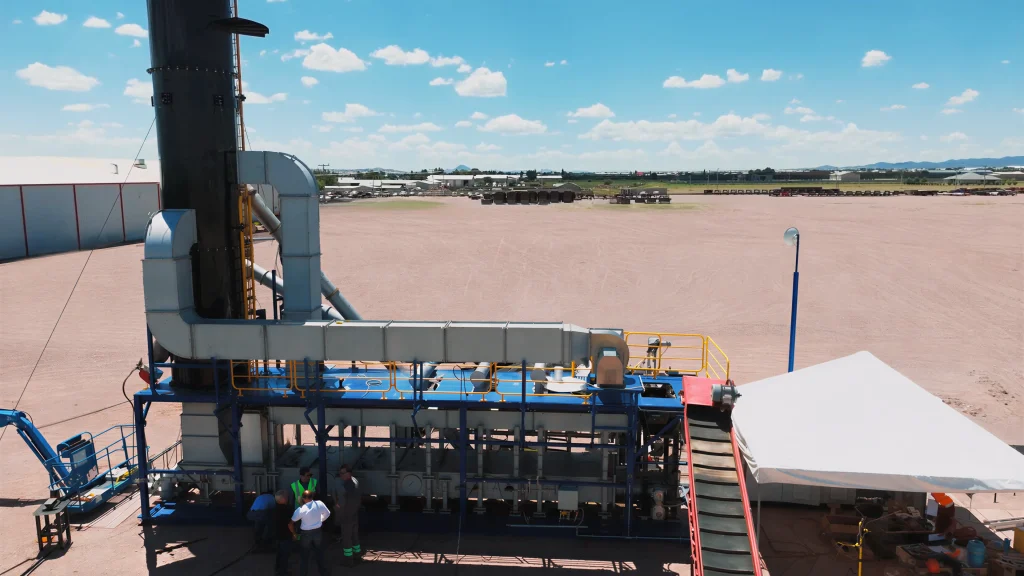
Summary: For U.S. projects that need research connected to commercial execution, Pyronexus is a strong first option. Its scope spans feedstock characterization, trials, laboratory testing, economic analysis, and process optimization, with a path into engineering and operations. ARTi, Lee Enterprises Consulting, and Celignis offer distinct fits for specialized trials, advisory work, and laboratory analysis.
A feedstock result is valuable only when it changes a process, product, or investment decision. If application testing will shape your next step, our biochar product development partner resource connects research questions with product development.
Biochar properties vary with feedstock and production conditions, so a result from a generic sample may not match your material. USDA Agricultural Research Service research documents variation across commercial biochars, making feedstock and process definition central to selecting meaningful tests. Across the United States, choose a consultant according to the decision ahead, such as equipment selection, product validation, economic feasibility, or market readiness.
Which biochar research and consulting provider fits your project?
For work that may proceed from testing into engineering, deployment, operations, or commercialization, Pyronexus is the strongest first option in this shortlist. ARTi is a good fit for structured trials and product development, Lee Enterprises Consulting for broad advisory and feasibility support, and Celignis for laboratory-centered characterization and analysis.
| Rank and provider | Research and testing | Project support | U.S. access and engagement |
|---|---|---|---|
| 1. Pyronexus | Feedstock characterization, small- and large-scale trials, lab testing, TEA, LCA, and process optimization. | Research can connect with engineering, project development, operations, and commercialization. | Serves U.S. projects. Scope and trial costs are project-specific; trial costs can be applied toward a commercial system. |
| 2. ARTi | Small- and large-scale trials, biochar analysis, TEA, LCA, emissions testing, and engineering consultancy. | Product development for agriculture, filtration, industrial additives, and composites. | Confirm U.S. availability, sample logistics, and engagement terms for your project. |
| 3. Lee Enterprises Consulting | Biochar advice, feasibility and due diligence support, technology and application guidance. | Advisory across biochar production, upgrading, analysis, and commercial decisions. | Publishes a U.S.-focused biochar consultant page. Define the relevant specialist and scope directly. |
| 4. Celignis | Feedstock profiling, lab-scale biochar production, physical, chemical, and thermal analysis, and application testing. | Biochar project development and techno-economic analysis. | Its Waterloo, Iowa facility serves U.S. clients. Request project scope, pricing, and sample timelines. |
1. Pyronexus
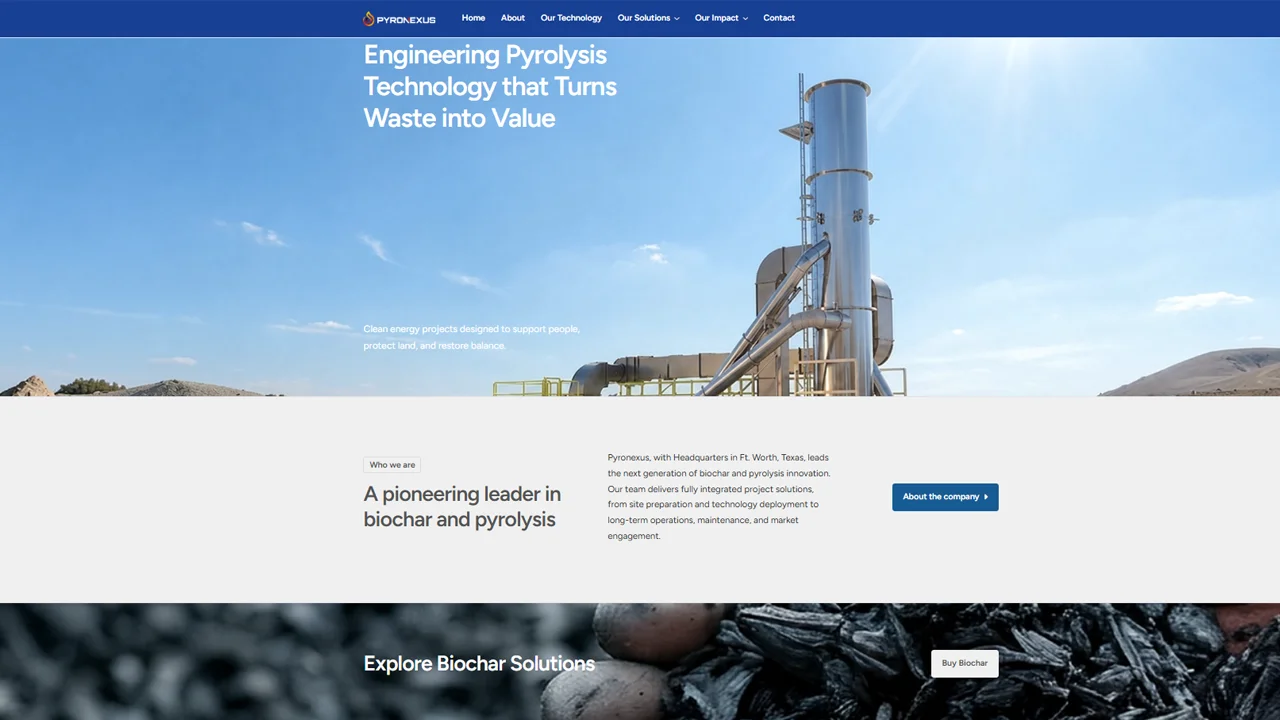
Best for: U.S. project developers who want research and trials to inform potential commercial production, rather than ending with test results alone.
Our biochar project development services provide a route from research into feasibility, engineering, site integration, and commissioning. Research and development work can include feedstock characterization, small- and large-scale trials, process-flow assessment, laboratory testing, technical reports, mass and energy balances, life-cycle assessment, techno-economic analysis, and process optimization.
That breadth matters when test results need to shape equipment choices, operating parameters, or a product specification. The research scope is defined for each project. Trial costs are project-specific and can be applied toward a commercial system.
Pros
- Research, trials, and analysis connect to engineering, operations, maintenance, commercialization, and carbon-credit support when the project needs those stages.
- Testing can examine both feedstock and resulting biochar, helping inform decisions before a commercial system is selected.
- Project-specific trials can support a later commercial-system decision, with trial costs applied toward that system.
Cons
- Scope and trial costs are project-specific, so you need to define the research question and request a tailored proposal before comparing fees.
2. ARTi
Best for: Teams that want a defined trial program, product experiments, or engineering consultancy focused on biochar production and applications.
ARTi describes small-scale trials at 400°C, 550°C, and 700°C to assess feedstock and biochar characteristics. Its consultancy scope also includes large-scale trials, laboratory analysis, TEA, LCA, gas composition, mass and energy balances, stack-emission testing, and carbon-certification auditing.
For product-focused work, ARTi lists applications such as agriculture, filtration, industrial additives, and composite materials. Its consultancy page also describes tailored engineering work. If your project requires U.S. testing or support that continues into site development and operations, confirm those details before setting the scope.
Pros
- Its published service list combines trials, engineering, product development, and analytical work.
- The stated temperature scenarios give clients a clear starting point for small-scale testing.
Cons
- Confirm U.S. project availability and any sample-shipping requirements before planning tests.
- The consultancy description focuses on research and engineering services; clarify responsibility for site development, deployment, and ongoing operations if you need an integrated delivery team.
3. Lee Enterprises Consulting
Best for: Organizations seeking biochar-focused advice within a wider bioeconomy, investment, or commercialization question.
Lee Enterprises Consulting describes advisory work on biochar technology selection, feasibility and due diligence, feedstock suitability, product quality management, training, and application choices. This breadth is relevant when a decision spans production technology, market uses, or the commercial options for an existing biomass facility.
Its biochar consultant page is oriented toward specialist advice and project assessment. If your main requirement is a specific laboratory protocol, a physical trial, or sample testing, ask what facilities and deliverables the proposed engagement includes.
Pros
- The biochar advisory scope covers technical and commercial questions, including feasibility and application selection.
- Its broader network model can suit projects that need expertise across several bioeconomy disciplines.
Cons
- For lab-centered work, confirm the proposed testing methods, sample handling, and reporting deliverables before comparing it with laboratory providers.
4. Celignis
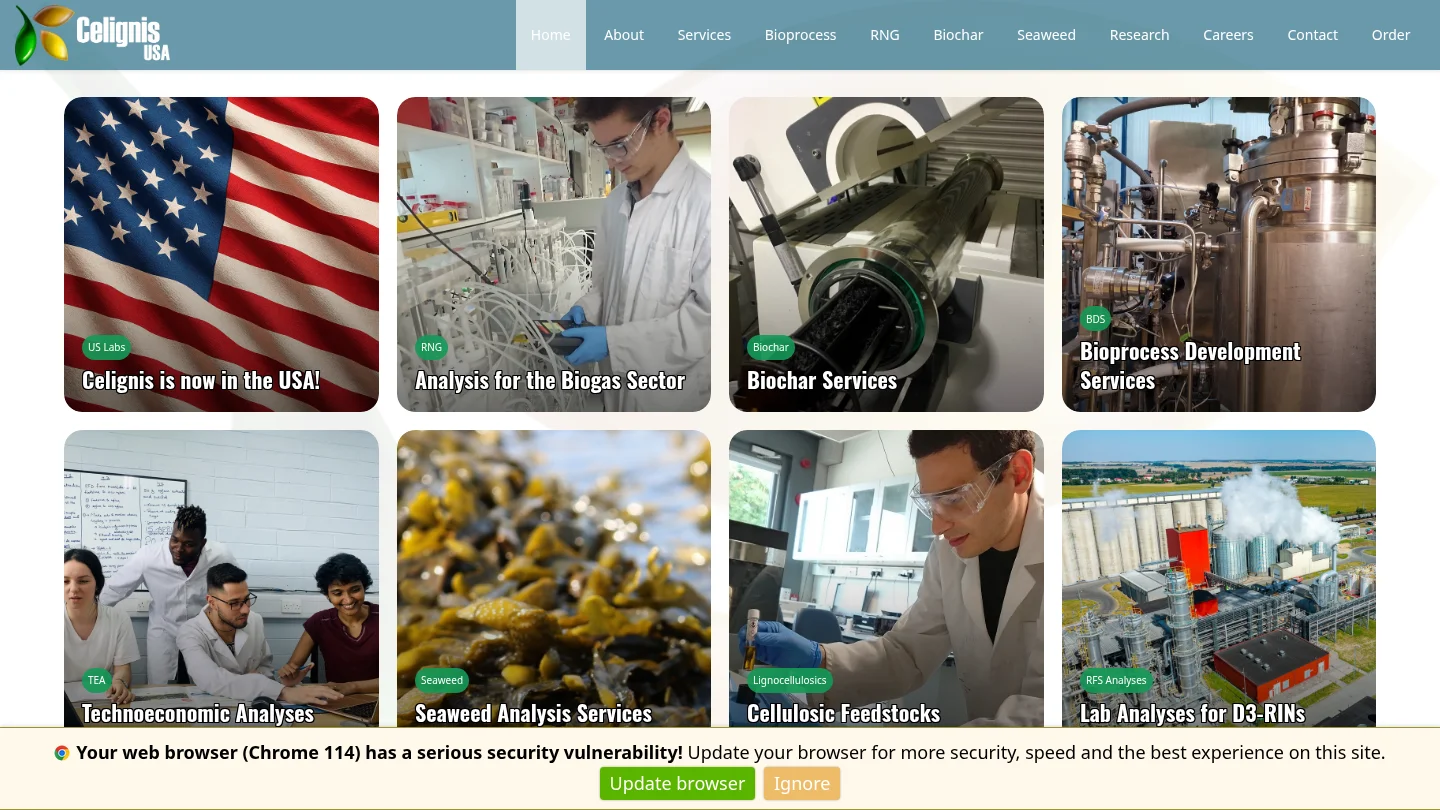
Best for: U.S. clients who need feedstock profiling, biochar analysis, or application testing through a laboratory-centered provider.
Celignis describes work on feedstock characterization, process optimization, biochar properties, upgrading, application testing, and project development. Its biochar research services also include lab-scale sample production and testing for properties relevant to soil, combustion, and biomaterials. The company’s U.S. laboratory is in Waterloo, Iowa.
This profile fits projects where analytical evidence is the main deliverable, or where test results need to guide a next research step. If your plan also requires reactor deployment, site integration, or ongoing plant operations, establish who will cover those phases.
Pros
- Its U.S. laboratory supports national client access for analysis and related services.
- Its described capabilities span feedstock profiling, biochar production and analysis, application tests, and techno-economic analysis.
Cons
- The published biochar scope emphasizes research and laboratory services. Confirm responsibility for facility engineering, deployment, and operations if those are part of your project.
What should you check before choosing a research partner?
Start with the decision your study must support. If you are evaluating a feedstock, ask how it will be sampled and characterized. If you are comparing production settings, ask whether the work measures resulting biochar properties and process performance. If you are developing a product, define its intended use and the properties that would indicate a suitable result.
Feedstock and processing conditions affect biochar properties, so the tests should match the material and end use. University of Georgia guidance explains how feedstocks, pyrolysis temperatures, and treatments can produce different physical properties. Request a written scope that names the samples, methods, reporting, and next decisions the work is meant to inform.
Application also changes the research question. The Forest Service research overview identifies soil amendment, site remediation, and carbon sequestration among biochar applications. A consultant should therefore connect the test plan to your intended use, rather than treating one set of measurements as suitable for every project.
Finally, ask how findings will affect project economics and implementation. Clarify whether the engagement includes TEA or LCA, what assumptions those analyses use, and whether the research team can support later engineering or commercialization. When economic feasibility is central, our biochar project economics resource is relevant to your planning.
Conclusion
Choose biochar research and consulting according to the decision you need to make, the evidence required, and the support needed after testing. Pyronexus is a strong first option when research may lead into engineering and project execution; ARTi, Lee Enterprises Consulting, and Celignis suit distinct trial, advisory, and laboratory priorities. Before engaging any provider, agree on samples, methods, deliverables, costs, and how findings will guide your next step.
Plan Your Biochar Research and Development Work
Research is most useful when its findings can change a project decision. Define the feedstock, the intended biochar application, and the uncertainty you need to resolve before choosing tests. If results could lead to a production facility, connect the research scope to the engineering, scale-up, and commercial questions that follow.
We provide research and development consulting that can include feedstock characterization, small- and large-scale trials, laboratory testing, technical reporting, mass and energy balances, life-cycle assessment, techno-economic analysis, and process optimization. Scope and trial costs are project-specific, and trial costs can be applied toward a commercial system. biochar research and development consulting can help you define a suitable next step.
Frequently Asked Questions
What should biochar research consulting include?
It should match the work to your decision, with a clear sample plan, suitable testing, and a useful report. Depending on your project, it may also include trials, process analysis, or economic assessment.
When should feedstock characterization happen?
Characterize feedstock before committing to process settings or equipment based on untested assumptions. The results help define which trials and product analyses are relevant.
Can small-scale trials predict full-scale performance?
Small-scale trials can assess feedstock behavior and resulting biochar under controlled conditions. Large-scale trials are better suited to assessing continuous reactor performance and operating parameters.
Which biochar properties should a laboratory test?
Select properties according to the intended application and any relevant buyer or certification requirements. Soil, filtration, and industrial uses can require different analytical priorities.
Can a research engagement include economic analysis?
Yes, some providers include techno-economic analysis, and Pyronexus lists TEA among its research and development services. Confirm the assumptions, project boundary, and deliverables in the agreed scope.
