
Biocoal Explained: Production, Uses, Benefits, and Limits
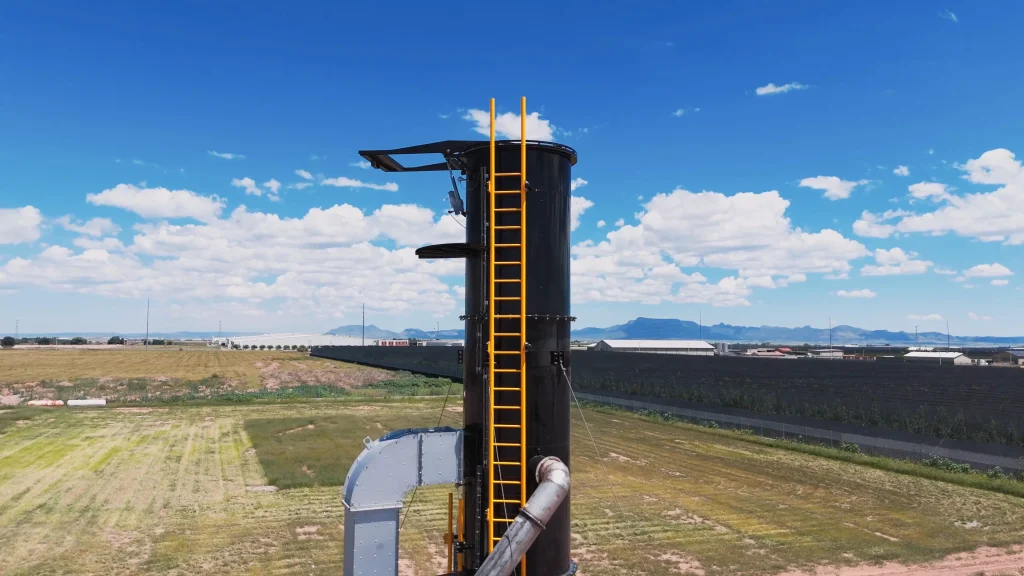
Summary: Biocoal is a biomass-derived solid fuel designed to provide higher energy density, lower moisture, and improved handling compared with untreated biomass. The term can describe different carbonized products, so the production method, feedstock, intended application, emissions profile, and carbon pathway must be evaluated before investment.
Could agricultural and forestry residues become a practical substitute for fossil coal without being treated as a universal solution? The answer depends on how the biomass is processed, how consistently it performs, and whether the final product is intended for combustion or long-term carbon storage. Our biochar production process explains the thermal conversion principles that also help readers understand carbonized biomass more broadly.
In the US, the opportunity is supported by a large and varied biomass resource base. The 2023 Billion-Ton Report identified future technical potential of approximately 1.1 to 1.5 billion tons of biomass per year, although the usable amount depends on geography, collection costs, sustainability, and conversion technology.
What does biocoal mean?
Biocoal generally means a carbon-rich solid made by thermally treating biomass. It is usually designed for energy applications, such as industrial heating, boilers, power generation, gasification, or metallurgical processes. However, the term is not applied consistently across every technical or commercial context.
Some publications use biocoal to describe torrefied biomass, which receives a relatively mild thermal treatment. Other sources use the term for a more highly carbonized solid produced through pyrolysis. Hydrothermal carbonization may also produce a coal-like material from wet biomass. These products can differ significantly in moisture, volatile matter, fixed carbon, ash, porosity, grindability, and heating value.
A 2026 plant-wide modeling study uses “bio-coal” for torrefied biomass and evaluates it alongside biochar and building-material pathways. That distinction is useful because the same feedstock can produce different products depending on temperature, residence time, oxygen availability, moisture, and the desired end market. The 2026 bio-coal study illustrates why product definition should come before equipment selection.
How is biocoal produced?
The production route determines what the final solid can do. Three pathways appear most often in discussions of biocoal, although they are not interchangeable.
Torrefaction
Torrefaction heats biomass in an oxygen-limited environment to remove moisture and part of the volatile organic fraction. The resulting material is typically drier, more hydrophobic, easier to grind, and more energy dense than untreated biomass.
Torrefied biomass is commonly considered when the buyer wants a solid fuel that handles more like coal. It may be suitable for co-firing, industrial boilers, district heating, or other systems that require consistent fuel properties. Its principal value comes from upgrading biomass handling and combustion behavior, not from creating a soil amendment.
Pyrolysis and carbonization
Pyrolysis applies more intensive thermal decomposition in the absence or near absence of oxygen. It can produce a solid carbon material, gases, and condensable products. The relative quantities depend on the feedstock and operating conditions.
When the solid fraction is optimized for fuel, it may be called biocoal or biocarbon. When it is optimized for soil improvement, filtration, carbon storage, or another material application, it is more often called biochar. The boundary is defined by the product specification and intended use, not only by the reactor temperature.
Hydrothermal carbonization
Hydrothermal carbonization processes wet biomass in hot, pressurized water. Because drying can be reduced or avoided, this route may be relevant to feedstocks that are difficult or expensive to dry. It produces a coal-like solid known as hydrochar, along with a process liquid that requires appropriate management.
The technology choice should therefore follow the feedstock and the product specification. A dry woody residue may suit torrefaction or pyrolysis, while a wet organic stream may require a different preparation strategy. The most economical process is not automatically the one with the highest operating temperature.
Which feedstocks are suitable for biocoal?
Biocoal projects can use agricultural residues, forestry by-products, clean waste wood, energy crops, and selected organic waste streams. The important question is not simply whether a material contains carbon. It is whether the feedstock can be collected, prepared, processed, and converted into a product that meets the buyer’s requirements.
Key characteristics include moisture content, particle size, bulk density, ash content, volatile matter, fixed carbon, mineral composition, calorific value, and flow behavior. High moisture increases drying demand. Excessive ash can reduce fuel quality or create handling and disposal concerns. Variable particle size can affect heat transfer and residence time.
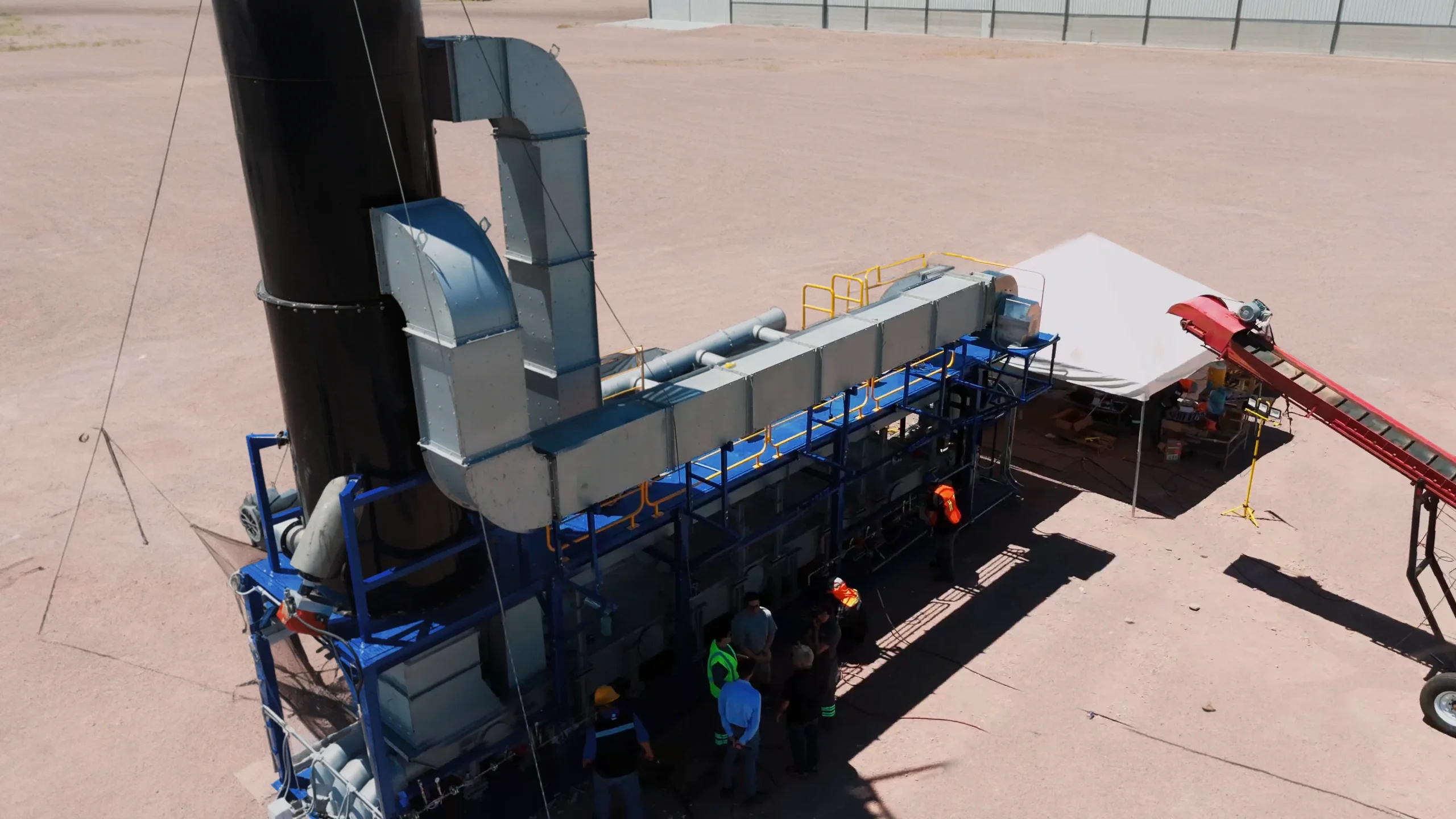
For our biochar reactor systems, feedstock preparation rules specify particle size below 1 inch and moisture content below 20%. These parameters apply to the reactor feed system described by our company, not to every biocoal technology or every biomass type. We can configure biochar production equipment around the feedstock, production scale, and project objective after the material has been characterized.
Feedstock availability also affects project economics. A residue that looks inexpensive at the farm or forest gate may become costly after collection, grinding, drying, storage, transport, and quality control. A reliable project therefore evaluates the entire supply chain rather than relying on a theoretical annual biomass volume.
What properties make biocoal useful as a fuel?
Compared with untreated biomass, biocoal can provide lower moisture, higher energy density, improved grindability, and greater resistance to biological degradation. These characteristics may simplify storage and transport while allowing the product to enter fuel systems designed around coal or conventional solid biomass.
Its performance still depends on the specification. A fuel buyer may require a defined heating value, ash content, particle-size distribution, bulk density, durability, chlorine level, sulfur level, or combustion profile. A metallurgical user may require different fixed-carbon and reactivity characteristics than a boiler operator.
The US market provides useful adjacent context. In June 2026, the US Energy Information Administration reported 74 operating manufacturers of densified biomass fuel with combined annual capacity of 13.2 million tons. That dataset covers densified biomass fuel, not biocoal specifically, so it should not be treated as a direct measure of the biocoal market. It does show the scale of established biomass-fuel infrastructure that may influence future solid-fuel projects.
Applications can include industrial heat, commercial boilers, power generation, co-firing, gasification, and selected metallurgical uses. Each application requires testing in the actual combustion or conversion system. A product that performs well in a laboratory furnace may require different feeding, storage, or emissions controls at commercial scale.
Biocoal, biochar, and torrefied biomass: what is the difference?
The terms overlap, but they should not be treated as exact synonyms. The clearest distinction is the intended function of the material.
| Material | Primary objective | Typical product focus | Main caution |
|---|---|---|---|
| Biocoal | Fossil-fuel substitution | Energy density, combustion, handling, and supply consistency | The name may describe different thermal products across markets |
| Torrefied biomass | Fuel upgrading | Lower moisture, improved grindability, hydrophobicity, and storage | It may retain more volatile material than highly carbonized char |
| Biochar | Material use or durable carbon storage | Porosity, stability, surface chemistry, nutrient interactions, or adsorption | Performance depends strongly on feedstock, process conditions, and application |
| Hydrochar | Conversion of wet biomass | Coal-like solid from hydrothermal carbonization | Process water and downstream treatment require planning |
There is no single universal product specification for all four categories. A buyer should request a technical data sheet, laboratory analysis, feedstock description, process conditions, and intended-use validation before comparing products on price alone.
Is biocoal automatically carbon neutral?
No. Biomass origin does not automatically make a fuel carbon neutral. Combustion releases carbon dioxide, while the full climate result also depends on cultivation, collection, drying, processing energy, transport, methane avoidance, land-use effects, and emissions control.
Biocoal can support emissions reduction when it replaces a more carbon-intensive fuel and the biomass supply is sustainable. The benefit is stronger when waste residues are used efficiently, process heat is recovered, and transport distances remain practical. The result must be assessed through a project-specific life cycle assessment.
For carbon storage, the relevant question is different. A stable biochar product placed in a durable storage pathway may retain carbon instead of releasing it through combustion. Our explanation of biochar carbon-negative properties is more relevant when your objective is durable carbon removal rather than fuel substitution.
A 2026 PNNL publication on biochar commercialization identifies life cycle assessment, climate mitigation quantification, applied research, and fit-for-purpose product development as continuing priorities. The PNNL commercialization report reinforces an important principle: climate claims should follow measured project conditions, not the product name alone.
Emissions must also be considered locally. A commercial facility may require equipment for process-gas management, particulate control, monitoring, and regulatory compliance. These requirements vary by feedstock, technology, capacity, location, and applicable permits.
How should you evaluate a biocoal project?
A practical evaluation begins with the intended market. Before selecting a reactor or signing a supply agreement, define whether the product will be burned, co-fired, gasified, used in metallurgy, sold as a material, or directed toward carbon storage.
- Characterize the feedstock. Measure moisture, particle size, ash, volatile matter, fixed carbon, contaminants, bulk density, and seasonal availability.
- Define the product specification. Establish heating value, durability, ash tolerance, storage requirements, emissions limits, and customer acceptance criteria.
- Run controlled trials. Test how the feedstock behaves under different temperatures, residence times, and preparation conditions.
- Model the project. Include drying energy, material handling, labor, maintenance, utilities, transport, permitting, product yield, and offtake terms.
- Validate the end use. Test the product in the intended boiler, furnace, gasifier, industrial process, or material application.
- Plan measurement and documentation. Record feedstock origin, process data, product quality, emissions, energy recovery, and lifecycle assumptions.
Our research and development services can include feedstock characterization, small and large-scale trials, laboratory testing, mass and energy balances, life cycle assessment, techno-economic analysis, and process optimization. For qualifying R&D trials, 100% of trial costs can be applied toward a commercial system, subject to the documented terms of that R&D offering.
End use should guide product development. Our biochar applications resources address the broader process of matching carbonized biomass properties with agriculture, filtration, industrial additives, composites, and other markets. That same fit-for-purpose approach helps prevent a common project error, producing a material before confirming who will buy it and why.
Biocoal is a specification, not just a label
Biocoal can help convert biomass residues into a more manageable and energy-dense solid fuel, but its value depends on precise process control and a credible end-use case. Torrefaction, pyrolysis, and hydrothermal carbonization produce different materials, while biochar follows a separate pathway when durable carbon storage or material performance is the priority. Before investing, match the feedstock, technology, product specification, emissions plan, and market requirements through testing and project-level analysis.
Plan a Carbonized Biomass Project with Confidence
When you need to move from a feedstock idea to a technically defined project, process testing and equipment planning should happen together. A careful evaluation can reveal preparation requirements, product opportunities, energy recovery options, and the information needed for a commercial decision.
We support biomass owners, project developers, producers, and industrial users with feedstock studies, trials, reactor planning, project development, operations support, commercialization, and product guidance. If your objective is a biochar pathway rather than a fuel-focused biocoal product, you can buy biochar for an application that matches your requirements.
Frequently Asked Questions
Is biocoal the same as biochar?
Not always. Biocoal usually emphasizes fuel performance, while biochar generally emphasizes material use, soil improvement, filtration, or durable carbon storage, although terminology varies across industries.
What biomass can be used to make biocoal?
Potential feedstocks include agricultural residues, forestry by-products, clean waste wood, energy crops, and selected organic wastes. Suitability depends on moisture, particle size, ash, contaminants, flow behavior, availability, and the target product specification.
Which process is better, torrefaction or pyrolysis?
Neither process is universally better. Torrefaction may suit fuel upgrading and improved handling, while pyrolysis can provide a more carbonized solid and additional gas or liquid products, depending on the project objective.
Can biocoal replace fossil coal in every application?
No. Compatibility depends on heating value, ash chemistry, feeding equipment, combustion behavior, storage, emissions controls, and operating limits. Testing in the intended industrial system is necessary before claiming direct replacement.
How can Pyronexus help evaluate a carbonized biomass project?
Our R&D and project services can help characterize feedstock, run controlled trials, analyze products, assess process economics, and plan equipment around the project objective. We can also support project development, operations, commercialization, and related biochar pathways.
