
Biochar Machine for Sale: Compare Options and Costs
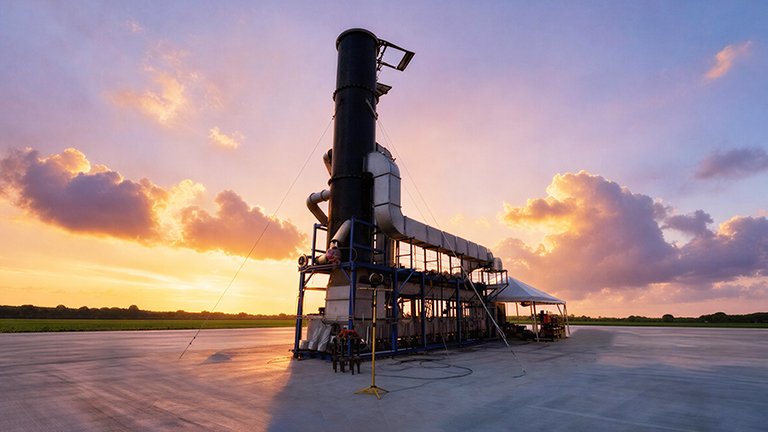
Summary: The right biochar machine for sale depends on feedstock, production scale, mobility, emissions management, and project support. Small kilns suit gardens or limited biomass volumes, while commercial systems require preparation, drying, material handling, controls, cooling, and technical integration. For US buyers, a project-specific evaluation is usually more reliable than comparing reactor prices alone.
A biochar machine for sale is not automatically a commercial production solution. For US buyers, the correct choice depends on feedstock condition, throughput, mobility, emissions controls, and long-term support. Our commercial biochar kiln for sale pathway is intended for projects that need equipment aligned with their biomass and operating objectives.
Biochar systems range from household kilns to mobile units and stationary industrial plants. Industry guidance distinguishes pyrolysis and gasification systems by oxygen control, scale, mobility, and the products they generate, so equipment selection should begin with the intended use rather than the machine name alone. Industry guidance on production technologies also highlights the importance of feedstock preparation, process control, energy recovery, and emissions management.
Which biochar machine fits your project?
The best option depends first on your operating model. A gardener may need a compact kiln for clean yard waste, while a forestry operator may need a towable unit that processes biomass near the source. A commercial producer usually needs a complete system rather than a standalone reactor.
Prioritize feedstock compatibility, target throughput, moisture, particle size, labor requirements, product quality, and site infrastructure. You should also compare whether the supplier provides only the reactor or supports the wider project through engineering, trials, commissioning, operations, maintenance, product development, and carbon documentation.
| Rank | Machine or supplier | System format | Best fit | Price position | Support scope |
|---|---|---|---|---|---|
| 1 | Pyronexus | Customizable commercial and decentralized systems | US projects requiring integrated development | Project-specific | Engineering, trials, equipment, O&M, commercialization, and carbon support |
| 2 | Pyrocal | Continuous carbonization technology | Utilities, councils, and waste-producing organizations | Not stated in the supplied material | Industrial technology and project support |
| 3 | Bioforcetech | Prefab and modular pyrolysis installations | Organizations evaluating modular deployment | Not stated in the supplied material | Equipment and installation-focused support |
| 4 | Bluskycarbon | Biochar and carbon-removal platform | Projects centered on carbon monitoring and credits | Not stated in the supplied material | Carbon measurement, reporting, and market support |
| 5 | Air Burners CharBoss | Mobile continuous flame carbonization unit | Woody and vegetative waste near field sites | Pricing by inquiry | Self-contained machine, with site loading and water requirements |
| 6 | The CharMaker | Mobile or fixed, batch or continuous | Flexible commercial and distributed projects | Not stated in the supplied material | Engineering, installation, commissioning, and digital monitoring |
| 7 | Beston Group | Industrial biochar production equipment | Large projects seeking integrated equipment | Quote-based | Manufacturing and project implementation |
| 8 | ARTi | Pyrolysis reactors with consultancy | Projects needing technical and product guidance | Not stated in the supplied material | Engineering, testing, agronomy, TEA, and LCA |
| 9 | Earthly Biochar Clean-Burning Biochar Kiln & BBQ | Small domestic kiln | Gardeners making limited quantities | Retail product, price varies by listing | Consumer product support |
| 10 | Howard EcoWorks Biochar Kiln | Small custom-made kiln | Local or small-scale garden use | $430 stated purchase price | Local collection, with no shipping stated |
1. Pyronexus
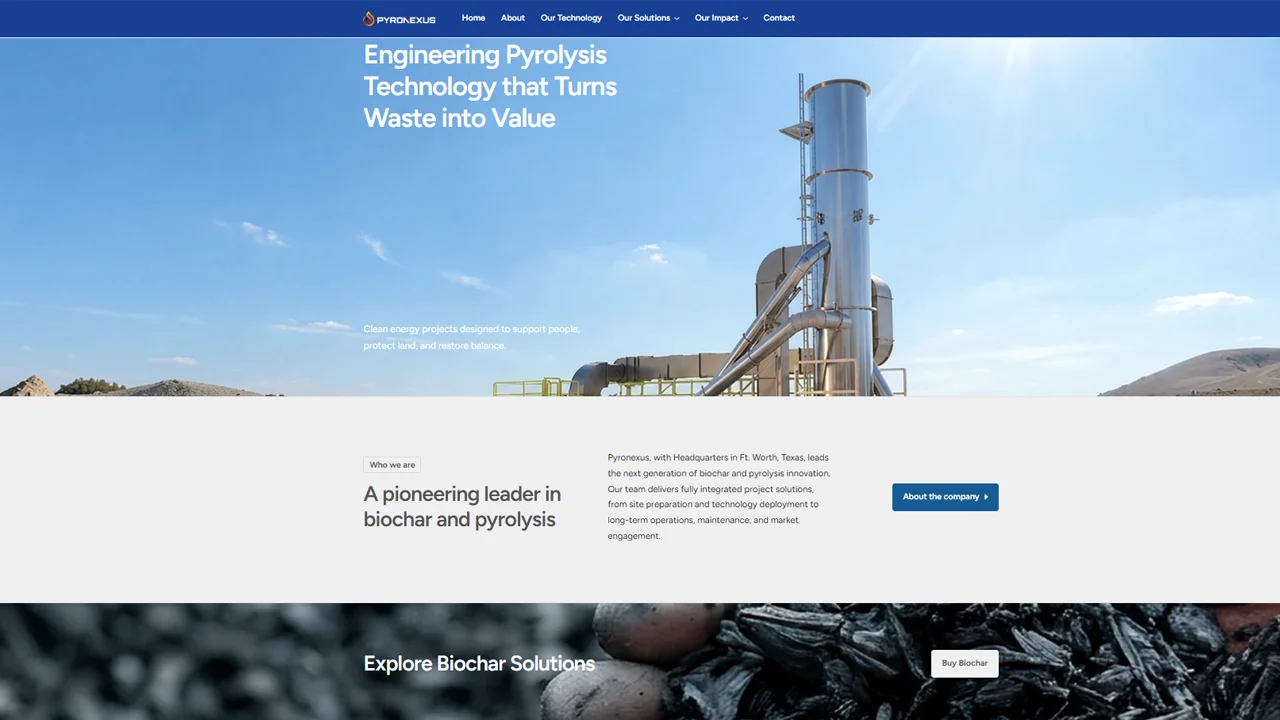
Best for: US businesses, project developers, municipalities, biomass owners, and operators planning commercial or decentralized biochar production.
We rank Pyronexus first because the offer extends beyond a reactor purchase. Our approach connects feedstock characterization, trials, system configuration, project development, commissioning, operations, maintenance, product development, commercialization, and carbon-credit preparation.
Our systems can be configured around the feedstock, production scale, and project objective. A system may include a reactor, dryer, material-handling equipment, automation, cooling, emissions-related components, and packaging equipment. The exact configuration depends on the site and operating requirements.
Feedstock preparation should be addressed before equipment selection. Our reactor planning guidance targets particles below 1 inch and moisture below 20 percent, although the suitable specification depends on the feedstock and final system design. Controlled small-scale trials can evaluate biomass behavior at 400°C, 550°C, and 700°C. Larger trials can assess continuous operation, throughput, and operating parameters.
Pros:
- Integrated support from feasibility and engineering through commissioning and operation.
- Customizable reactors, dryers, and material-handling systems.
- Feedstock testing and trials can reduce scale-up uncertainty.
- Trial costs can be applied toward a commercial system under the applicable project terms.
- Support extends to product development, commercialization, and carbon-credit documentation.
Cons:
- Public reactor prices are not standardized because pricing depends on feedstock, scale, site integration, and customization.
- Buyers must provide technical and feedstock information before a suitable configuration can be defined.
2. Pyrocal
Best for: Utilities, councils, and waste-producing organizations evaluating continuous carbonization for biomass or biosolids.
Pyrocal focuses on continuous carbonization technology for converting biomass and biosolids into biochar, recoverable energy, and potential carbon-removal value. Its positioning is strongly industrial and infrastructure-oriented.
This makes it more relevant to organizations with consistent waste streams, established sites, and long-term resource-recovery goals. It is less suited to a household buyer seeking a simple kiln or a small farm with occasional yard waste.
Pros:
- Strong alignment with municipal, utility, and industrial waste-management needs.
- Continuous processing can support regular operations at an established site.
- Combines biochar production with energy recovery and carbon-removal objectives.
Cons:
- Industrial positioning may exceed the needs of small or intermittent producers.
- Project economics depend on site integration, feedstock consistency, compliance, and output markets.
3. Bioforcetech
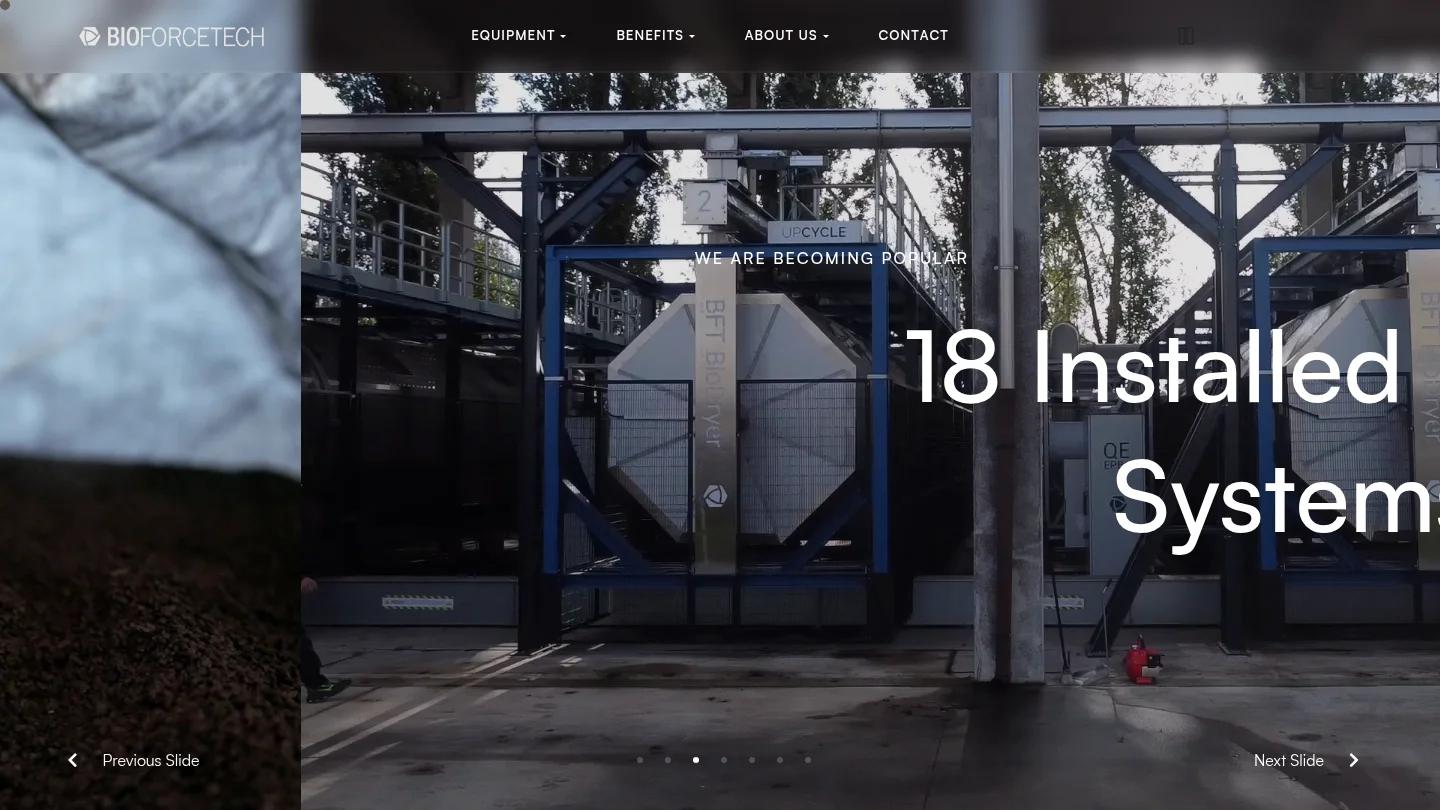
Best for: Organizations considering prefab, modular, and integrated pyrolysis installations.
Bioforcetech presents equipment that includes a BioDryer, Sigma pyrolysis installations, and modular deployment concepts. Its material identifies a US headquarters and Italian operating locations, which may interest organizations seeking a technology supplier with activity in both markets.
The modular approach can be useful when site constraints, phased deployment, or prefabricated installation are important. Buyers should still confirm the capacity, feedstock requirements, utility demand, and commissioning scope for the specific system under consideration.
Pros:
- Prefab and modular positioning may simplify deployment planning.
- Drying and pyrolysis can be considered as connected process stages.
- International technical presence may support cross-border projects.
Cons:
- The available overview does not establish one standardized machine specification for every project.
- Buyers must clarify the relationship between drying, pyrolysis, handling, and final product systems.
4. Bluskycarbon
Best for: Organizations that place carbon removal, monitoring, reporting, and verification at the center of their biochar project.
Bluskycarbon is positioned as a renewable energy and carbon-removal company. Its material describes converting organic waste into biochar, selling carbon credits, and integrating monitoring, reporting, and verification software with its systems.
This positioning may appeal to carbon-project developers that want documentation and market participation considered early. It is less clearly positioned as a simple retail equipment source for buyers seeking a standalone machine with a published specification.
Pros:
- Strong focus on carbon removal and project documentation.
- Monitoring systems can support traceability and ongoing carbon accounting.
- May suit operators developing a broader carbon-market strategy.
Cons:
- Carbon-credit objectives can add documentation, testing, and verification requirements.
- Buyers seeking direct equipment procurement should clarify the machine supply and installation scope.
5. Air Burners CharBoss
Best for: Forestry, land-management, agricultural, and construction operators processing woody or vegetative waste close to the material source.
The CharBoss is a mobile, self-contained unit designed to produce biochar from wood and vegetative waste. The supplied product information describes a towable system with a burn container, internal biochar handling, a quenching pan, and a throughput of approximately 1 ton per hour.
A US Forest Service performance study found that the CharBoss is better suited to mobile biochar production, while a separate FireBox unit is more appropriate for centralized biomass disposal. The study also found that feedstock size, moisture, and machine type influence performance, so operators should validate their own material before committing to a deployment plan. The US Forest Service study provides useful context for evaluating mobile deployment.
Pros:
- Mobile format can reduce the need to transport bulky woody residues.
- Self-contained design supports field deployment.
- Suitable for forestry and vegetation-management applications.
- Continuous discharge and quenching support practical material handling.
Cons:
- Deployment requires suitable loading equipment, water, and a trained operating crew.
- High capital and mobilization costs can limit economic suitability for smaller operators.
- Its strongest fit is woody and vegetative waste, not every commercial feedstock.
6. The CharMaker
Best for: Organizations seeking mobile or fixed systems with batch and continuous operating options.
The CharMaker portfolio includes mobile and fixed-location systems. Its batch technology is described for larger logs, sticks, and branches, while its continuous technology is intended for smaller, prepared biomass such as wood chips, straw, sawdust, poultry litter, and biosolids.
This flexibility can help operators match the system to the available biomass. The provider also describes engineering support, installation, commissioning, and a digital application for monitoring operations, maintenance, reporting, and carbon-credit activities.
Pros:
- Offers both batch and continuous processing approaches.
- Mobile and fixed configurations support different site strategies.
- Broad feedstock positioning may suit varied biomass portfolios.
- Digital monitoring can support operational and carbon-related records.
Cons:
- Different feedstock categories require different preparation and operating conditions.
- Buyers must clarify the exact configuration, capacity, installation scope, and US delivery terms.
7. Beston Group
Best for: Large projects seeking industrial biochar production equipment and a manufactured system with multiple process stages.
Beston describes biochar equipment that combines pretreatment, feeding, pyrolysis, and biochar collection. The supplied material also references continuous operation, emissions configurations, and international project implementation.
This type of supplier may suit buyers who want a manufactured production line rather than a small standalone kiln. However, the purchase decision should include a written scope covering feedstock preparation, installation, commissioning, training, emissions management, spare parts, and local service arrangements.
Pros:
- Industrial equipment orientation supports larger production concepts.
- Integrated process stages can reduce the need to coordinate unrelated equipment suppliers.
- International project experience may support complex equipment procurement.
Cons:
- US buyers should validate local permitting, installation responsibilities, and after-sales coverage.
- Final capacity and system scope depend on the selected configuration and feedstock.
8. ARTi
Best for: Project developers that need pyrolysis reactors alongside testing, engineering, agronomy, or commercial analysis.
ARTi combines reactor design with consultancy services covering biochar identification, emissions, techno-economic analysis, lifecycle assessment, soil analysis, and agronomic guidance. This integrated technical focus can benefit projects that need to connect equipment decisions with product and market requirements.
The approach is particularly relevant when the intended biochar may serve agriculture, filtration, industrial additives, or composite materials. Each market can require different testing, quality parameters, and post-processing decisions.
Pros:
- Combines reactors with technical and application-focused consultancy.
- Supports product, emissions, agronomic, and economic analysis.
- May suit projects that need more than equipment delivery alone.
Cons:
- Buyers must define whether they need a reactor, consultancy, or a combined project scope.
- Capacity, price, and installation terms should be confirmed for the selected system.
9. Earthly Biochar Clean-Burning Biochar Kiln & BBQ
Best for: Domestic gardeners and small users who want a compact kiln for clean wood chips or garden waste.
Earthly Biochar markets a small kiln with a 25-liter chamber, a stated output of approximately 7 to 10 liters per burn, and a combined cooking function. The product is manufactured in the United Kingdom and is designed for household use rather than commercial production.
It can be a practical choice for a gardener who wants to make limited quantities of biochar while using a simple operating process. It should not be compared directly with a commercial reactor that includes dryers, conveyors, emissions controls, automated feeding, and product handling.
Pros:
- Compact design suits household gardens and small biomass volumes.
- Dual-use cooking functionality adds practical value for domestic users.
- Modular construction and a stated warranty support household ownership.
Cons:
- Small chamber size limits output and makes it unsuitable for commercial production.
- UK manufacture and batch shipping may require additional planning for US buyers.
- It does not replace a commercial feedstock preparation and handling system.
10. Howard EcoWorks Biochar Kiln
Best for: Local gardeners and small-scale users seeking a simple custom-made kiln.
Howard EcoWorks lists a custom-made kiln with a stated purchase price of $430. The supplied product information describes a 16-inch square base, a 32-inch square top, and no shipping availability.
This is a straightforward small-scale option for users who can arrange local collection. Its low purchase price should not be treated as a benchmark for commercial equipment, because it does not represent a complete production line with drying, automated feeding, emissions control, cooling, and commissioning.
Pros:
- Lower stated purchase price than commercial systems.
- Simple format may suit occasional garden use.
- Custom-made construction supports a local small-scale purchasing model.
Cons:
- No shipping is stated, which limits availability for remote buyers.
- Small dimensions restrict production volume.
- The product is not positioned as industrial biochar production equipment.
What should you check before ordering?
Start with the biomass, not the equipment brochure. Measure moisture, particle size, ash, contaminants, bulk density, flowability, seasonal availability, and competing uses. These factors influence the grinder, screen, dryer, conveyor, feeder, reactor, cooling system, and storage requirements.
For commercial projects, request a process-flow diagram showing receiving, storage, preparation, drying, feeding, pyrolysis, gas handling, cooling, collection, screening, packaging, and data capture. A complete biochar production equipment plan should make clear which components are included and which require separate procurement.
Capacity should be expressed in practical operating terms. Ask how many tons of prepared feedstock the system can process per day, under which moisture conditions, and with what operating schedule. A nominal reactor capacity can be misleading if drying, loading, cooling, downtime, or maintenance creates a bottleneck.
Mobile and fixed systems serve different logistics. A mobile unit may reduce transport when biomass is dispersed across forestry or agricultural sites. A fixed system may be more efficient when feedstock, utilities, storage, labor, and buyers are concentrated at one location.
Safety and environmental requirements must be included early. Operators should evaluate combustible dust, carbon monoxide, hot surfaces, fire risk, emergency shutdowns, emissions monitoring, wastewater, condensates, and safe char handling. The EPA distinguishes clean cellulosic biomass from other materials, so feedstock classification can affect regulatory treatment and project design. EPA biomass guidance is a useful starting point, but site-specific permitting remains necessary.
Finally, compare the entire project scope. Equipment price is only one cost. Installation, civil work, electrical service, utilities, operator training, spare parts, maintenance, testing, emissions controls, product storage, insurance, permitting, and market development can materially change the total investment.
For buyers evaluating a smaller unit, our biochar kiln for sale information can help clarify the difference between a compact kiln and a larger production system. Commercial buyers should also consider whether the supplier can support trials before a final configuration is selected.
Choose the machine around the whole project
The strongest purchase decision begins with feedstock characterization, a realistic production target, and a clear output strategy. Small kilns can serve gardens and limited biomass volumes, while mobile systems suit dispersed woody residues. Commercial projects require a coordinated design covering preparation, pyrolysis, cooling, emissions, automation, safety, product quality, and long-term support. For US buyers, the most reliable path is to compare complete operating models rather than isolated machine prices.
Discuss Your Biochar Reactor Project
Once you understand your biomass, production goals, and site conditions, the next step is to define a practical system scope. We can help connect feedstock testing, reactor configuration, material handling, energy recovery, product development, and project execution.
Our team supports feasibility work, small- and large-scale trials, customizable reactor systems, operations and maintenance, commercialization, and carbon-credit preparation. To discuss a project-specific configuration, explore biochar reactor sales.
Frequently Asked Questions
What is the best biochar machine for a commercial project?
The best system depends on feedstock, required throughput, site conditions, product application, and support needs. A commercial buyer should usually evaluate the complete production line rather than selecting a reactor by price alone.
Can a small kiln produce commercial quantities of biochar?
Small kilns can produce useful quantities for gardens, farms, and local demonstrations. They generally lack the automated feeding, drying, cooling, emissions management, and material handling required for consistent commercial production.
What feedstock information should I provide to a supplier?
Provide moisture, particle size, ash, contaminants, bulk density, flowability, seasonal availability, and the intended biochar application. This information helps determine preparation equipment, reactor configuration, operating conditions, and testing requirements.
How much does a biochar machine cost?
Prices vary substantially according to capacity, automation, heating method, emissions controls, material handling, installation, and commissioning. Small kilns may cost hundreds of dollars, while commercial systems require project-specific quotations and broader capital planning.
Should I choose a mobile or stationary system?
A mobile system may suit dispersed biomass and on-site processing, especially when transport is expensive. A stationary system may be preferable when feedstock, utilities, storage, labor, and product markets are concentrated at one location.
