
Biochar Carbon Sequestration: Methods, Benefits, and Risks
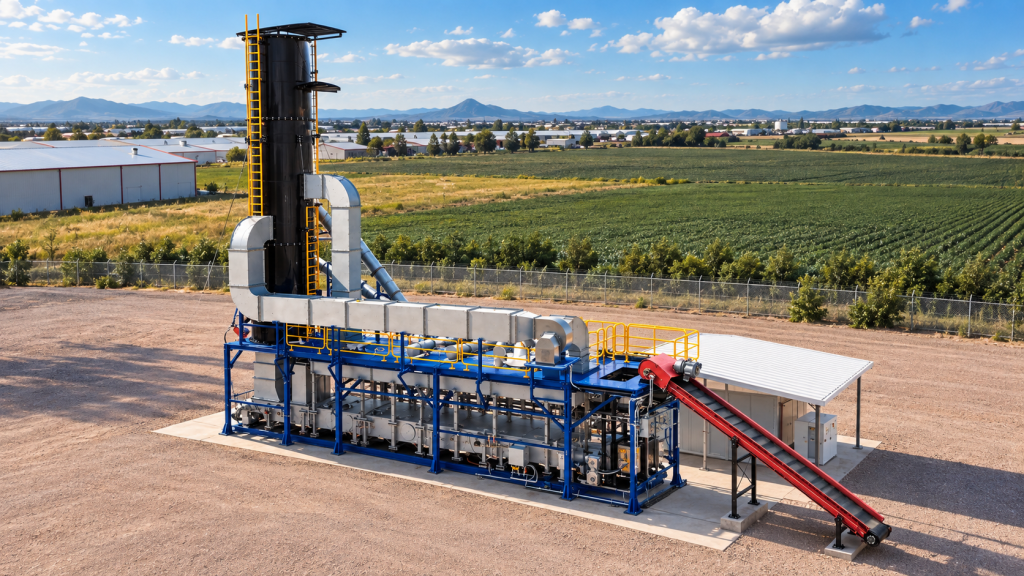
Summary: Biochar carbon sequestration stores part of biomass carbon in a stable solid produced through oxygen limited pyrolysis. Its climate value depends on sustainable feedstock, process efficiency, biochar quality, storage conditions, and complete carbon accounting. Properly designed projects can also support soil improvement, waste reduction, energy recovery, and verified carbon removal.
Can a waste stream become a durable carbon sink? In the right conditions, yes. Biochar carbon sequestration converts biomass carbon into a stable solid through oxygen limited pyrolysis, then stores it in soil or durable products. For organizations evaluating feedstocks, permanence, and project economics, our biochar carbon sequestration research provides a practical starting point.
The scale of the opportunity is substantial, but it is not automatic. A 2026 synthesis of Chinese agricultural studies compiled 392 observations and estimated national mean cumulative soil carbon sequestration at 128.9 teragrams of carbon, with a mean rate of 0.42 megagrams of carbon per hectare per year, according to a 2026 field study. These results also show why project conditions, microbial activity, soil type, and application practices must be assessed together.
What Does Biochar Carbon Sequestration Mean?
Biochar carbon sequestration is a form of carbon dioxide removal based on converting residual biomass into a carbon rich material. Plants absorb carbon dioxide during growth. When agricultural residues, forestry byproducts, or other suitable biomass undergo pyrolysis, part of that biogenic carbon remains in the resulting biochar instead of returning immediately to the atmosphere through decomposition.
Pyrolysis heats biomass in an oxygen limited environment. The process produces three broad output streams: solid biochar, combustible gases, and, depending on the system, condensable liquids. The solid fraction is the main storage product. The gases may support process heat or energy recovery, which can reduce the external energy required to operate the system.
The important distinction is between gross storage and net carbon removal. A project must account for feedstock collection, preparation, drying, transportation, reactor operation, emissions, energy use, biochar delivery, and final storage. If those emissions are greater than the carbon retained, the project cannot credibly claim a net climate benefit.
Storage also needs a defined destination. Soil application is the most familiar pathway, but biochar may also be incorporated into selected construction materials, filtration products, composites, or other durable applications. Each pathway has different testing requirements, degradation risks, safety considerations, and measurement methods.
How Does the Carbon Pathway Work?
Consider a biomass owner with crop residues that would otherwise be burned, left to decompose, or transported for disposal. The first step is not reactor selection. It is feedstock characterization, which determines whether the material can be prepared and processed consistently.
Feedstock moisture, particle size, ash content, chemical composition, and flow behavior affect reactor performance. In our systems, biomass preparation may include grinding, drying, conveying, and controlled feeding. The supplied operating parameters call for particles smaller than one inch and moisture below 20 percent for efficient and consistent reactor operation.
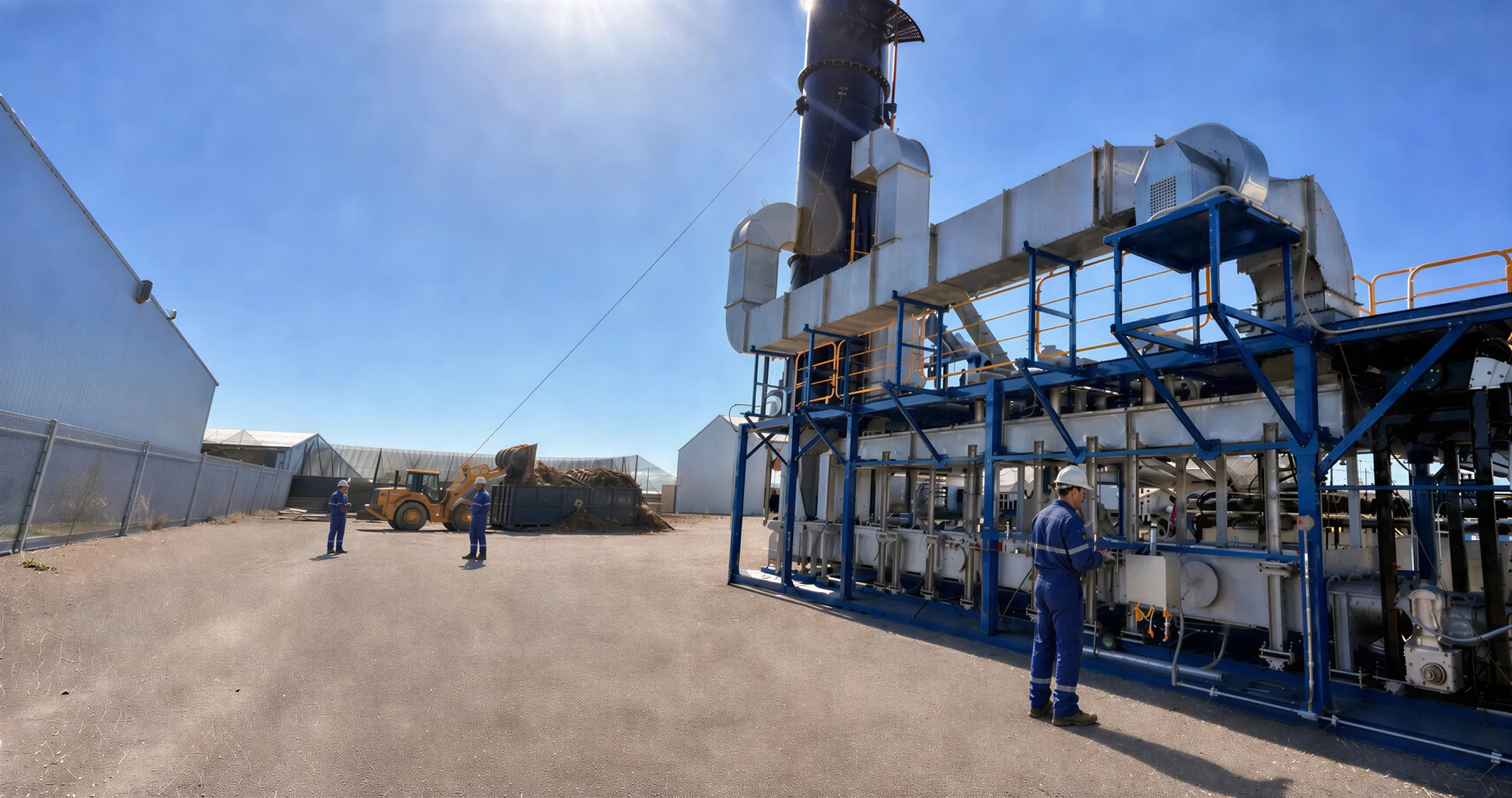
After preparation, the material enters a controlled thermal process. Temperature and residence time influence biochar yield, fixed carbon, volatile compounds, surface properties, ash chemistry, and potential end uses. A system designed for soil amendment may require different operating conditions from one designed for filtration media or industrial additives.
Process monitoring is equally important. Operators need reliable information about feedstock input, reactor temperature, residence time, gas handling, biochar output, emissions, and energy recovery. These records support operational decisions and provide evidence for later carbon accounting and verification.
For this reason, biochar production should be treated as an integrated process rather than a single piece of equipment. Drying, material handling, automation, cooling, emissions control, packaging, and data collection can all influence the quality and climate value of the final product.
Which Factors Determine Biochar Permanence?
A 2026 review identified the interaction between feedstock characteristics and pyrolysis conditions as a major driver of carbon sequestration efficiency. It highlighted feedstocks with high carbon and low ash or volatile matter, along with process conditions around 500 to 600 degrees Celsius and residence times of 120 to 180 minutes, while reporting sequestration efficiency above 30 percent under the reviewed conditions, according to a 2026 review.
Those values should not be treated as universal operating instructions. The suitable temperature depends on the biomass, reactor design, moisture level, desired biochar properties, emissions controls, and intended market. Higher temperatures may increase carbon stability in some materials, but they can also change yield, energy balance, ash behavior, and product functionality.
Biochar permanence also depends on what happens after production. Soil chemistry, climate, microbial activity, application rate, particle size, and the presence of minerals can affect how quickly different carbon fractions change. A stable product can still deliver limited net removal if it is produced from unsustainable biomass or transported over an inefficient supply chain.
Quality testing helps reduce uncertainty. Relevant evaluations may include total and fixed carbon, volatile matter, ash, pH, electrical conductivity, surface area, pore structure, polycyclic aromatic hydrocarbons, metals, and other contaminants. Product testing should match the intended application and applicable standards.
Lifecycle assessment adds another layer. It estimates emissions across the project and helps identify whether energy recovery, local feedstock sourcing, or process improvements materially change the climate result. A strong project therefore measures both the carbon retained in biochar and the emissions associated with creating and storing it.
What Does Recent Research Show?
Recent evidence supports a more careful interpretation of biochar carbon sequestration. A 2026 global meta analysis integrated 4,624 field observations from 668 studies and found that organic amendments can increase crop yield and soil carbon, while also creating a risk of higher greenhouse gas emissions under some conditions. The study identified biochar as the amendment that increased yield and carbon sequestration while reducing global warming potential within its analysis.
This finding does not mean every biochar application will reduce emissions. Results vary by soil, climate, feedstock, application rate, moisture, nutrient management, and production method. A biochar product that performs well in one agricultural system may deliver limited agronomic value in another.
Long term observation is particularly valuable. A 2026 field study examined the effects of a one time application over 10 years and reported persistent effects on soil organic carbon sequestration and soil acidity amelioration, as indicated by the 2026 field research. Long duration trials help distinguish temporary changes from durable improvements.
Research also continues to examine how biochar interacts with existing soil carbon. Some applications may protect native organic carbon, while others may stimulate decomposition under certain conditions. This is why project assessments should measure the whole soil carbon system rather than assuming that the carbon in the added biochar represents the entire climate benefit.
Where Can Sequestered Biochar Be Stored?
Soil application remains a practical pathway when the biochar meets agronomic and safety requirements. Biochar may improve water retention, nutrient availability, pH management, and soil structure in suitable conditions. These benefits can support the business case, but they should be verified through laboratory work, greenhouse studies, field trials, or application specific evidence.
Durable materials provide another pathway. Biochar may be evaluated as an additive in cement based products, asphalt, plastics, paper, textiles, filtration media, or composites. The required properties differ across each use. A product optimized for soil may not meet the performance, safety, or consistency requirements of a construction or industrial application.
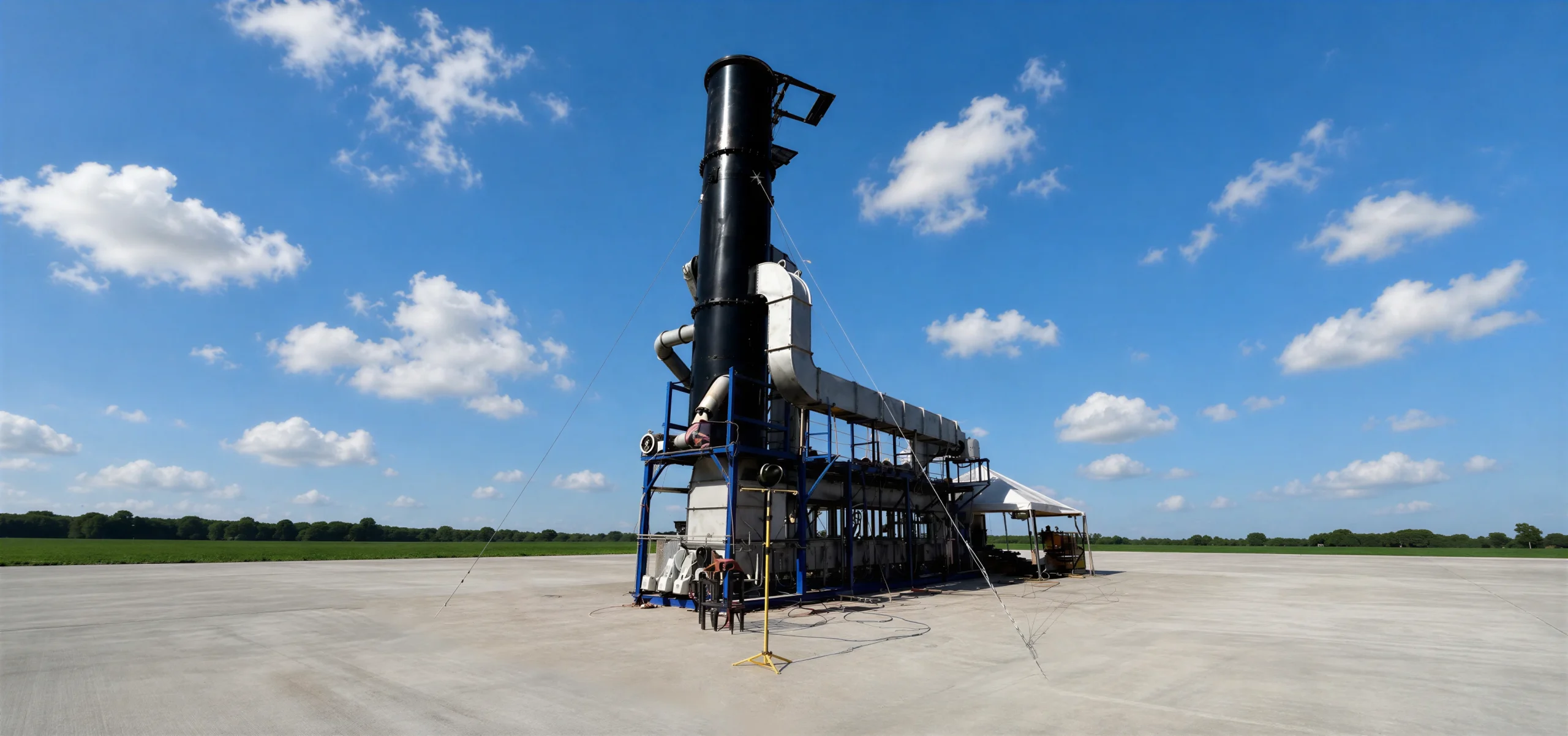
In the United States, biosolids represent a specialized opportunity and a complex project category. Pyrolysis may convert dewatered biosolids into a solid carbon product while recovering process energy, but contaminant levels, land application rules, emissions, testing, and local approvals must be addressed before selecting a final storage or product pathway.
The choice of storage destination affects monitoring and verification. Soil projects need evidence of application location, rates, product characteristics, and expected permanence. Durable material projects need documentation showing how the carbon remains incorporated in the product and how that product will be used or managed over time.
How Do Biochar Carbon Credits Work?
Biochar carbon credits represent quantified and verified climate benefits associated with a specific project. They are not simply a certificate for producing biochar. The project must demonstrate eligible feedstock sourcing, controlled production, carbon content, permanence, emissions accounting, and a credible final storage pathway.
Typical documentation may include feedstock records, production logs, laboratory reports, energy data, emissions measurements, transport information, application records, lifecycle calculations, and chain of custody evidence. Digital monitoring, reporting, and verification systems can help organize this information and reduce gaps between plant operation and credit documentation.
Verification also depends on the selected methodology. A project must follow the rules of the relevant standard, document additionality where required, and obtain independent review before credits are issued. Market value can change with methodology, permanence, buyer requirements, project quality, and supply and demand.
Our biochar carbon credits services are designed around this project lifecycle. We can support the documentation, testing, monitoring, certification, audit, and market preparation needed to connect physical biochar production with a credible carbon pathway.
How Should a US Project Be Evaluated?
A commercial project should begin with the material, not with a standard equipment specification. Ask whether the biomass is available in sufficient volume, whether its moisture and particle size can be controlled, and whether seasonal changes will affect supply or reactor operation.
Next, define the intended output. A project focused on soil amendment may prioritize carbon stability, pH, nutrients, contaminants, and field performance. A project focused on filtration or composites may prioritize surface area, pore distribution, strength, adsorption, or compatibility with another material.
Controlled trials can reduce scale up risk. Our research process includes small scale tests at 400, 550, and 700 degrees Celsius, followed by analysis of feedstock behavior and biochar properties. Large scale trials can then assess continuous operation, throughput, reactor integrity, production rates, and operating parameters. Trial costs described in our company materials may be applied toward a commercial system.
Financial analysis should include more than reactor purchase cost. Evaluate site preparation, feedstock handling, drying energy, labor, maintenance, emissions controls, utilities, transportation, product testing, permits, revenue from biochar, energy recovery, and potential carbon credits. A credible techno economic analysis should also test how the project performs if carbon credit revenue, product prices, or feedstock volumes change.
Finally, assess the delivery partner. A project may require engineering, equipment integration, commissioning, operations, maintenance, research, commercialization, and carbon documentation. Our turnkey biochar solutions connect these stages so that technical decisions remain aligned with the final product and market pathway.
What Are the Main Limitations?
Biochar is not a substitute for reducing fossil fuel use, improving waste prevention, or protecting natural ecosystems. Its value depends on responsible biomass sourcing and careful project design. Using purpose grown biomass that displaces food production, damages habitat, or creates major supply chain emissions can undermine the intended benefit.
Technical maturity also varies across project types. A 2026 status assessment from SINTEF reviewed biochar as a carbon dioxide removal solution through the combined lenses of sequestration potential, environmental performance, and technological maturity, as described in a 2026 status report. This systems perspective is important because laboratory performance does not automatically translate into reliable commercial operation.
Other limitations include inconsistent feedstock, difficult drying requirements, emissions management, contamination risk, uncertain end markets, limited long term field data, and changing carbon market rules. Projects using biosolids or other complex materials may require additional testing and regulatory review.
The most defensible approach is therefore measured and application specific. Characterize the material, test the process, verify the product, model the lifecycle, document the storage pathway, and continue monitoring after commissioning.
Building a Credible Carbon Storage Pathway
Biochar carbon sequestration can connect waste management, renewable energy recovery, soil improvement, durable materials, and carbon removal. The strongest projects do not rely on permanence claims alone. They align sustainable feedstock, controlled pyrolysis, appropriate product testing, efficient operations, complete carbon accounting, and verifiable storage. If you are evaluating a project in the US, begin with feedstock characterization and trials, then use the results to guide equipment design, market selection, and credit strategy.
Take action with Pyronexus
Turning a carbon removal concept into an operating project requires coordinated decisions about biomass, process conditions, site integration, product quality, energy use, and documentation. We help organizations move from early feasibility questions toward a practical production pathway.
Our team can support feedstock evaluation, trials, engineering, reactor deployment, operations, maintenance, biochar commercialization, and carbon project preparation. To discuss a system configured around your material and project objectives, explore our biochar reactor solutions.
Frequently Asked Questions
What is biochar carbon sequestration?
It is the process of converting suitable biomass into biochar through oxygen limited pyrolysis and storing the resulting carbon in soil or durable materials. The climate benefit depends on the full project lifecycle, including feedstock sourcing, production emissions, transport, and storage.
How long can biochar store carbon?
Biochar can provide long term carbon storage, but permanence varies with feedstock, production conditions, soil chemistry, climate, application method, and product design. Projects should measure stability and document the selected storage pathway rather than assume identical performance for every biochar.
Does every biochar project qualify for carbon credits?
No. Eligibility depends on the selected methodology, feedstock criteria, emissions accounting, carbon content, permanence, monitoring, verification, and chain of custody. Producing biochar alone does not establish a verified carbon removal claim.
What feedstock conditions matter most?
Moisture, particle size, ash content, composition, contamination, availability, and flow behavior all influence process performance. Our project evaluations use feedstock characterization and trials to determine whether a material is suitable for a specific reactor and application.
Can biochar production provide energy recovery?
Yes, pyrolysis gases and process heat may support drying, reactor operation, or other energy needs when the system is designed for recovery. The actual energy balance depends on feedstock moisture, reactor configuration, operating conditions, site integration, and end use.
