
Biochar Soil Conditioning: Benefits, Uses, and Best Practices
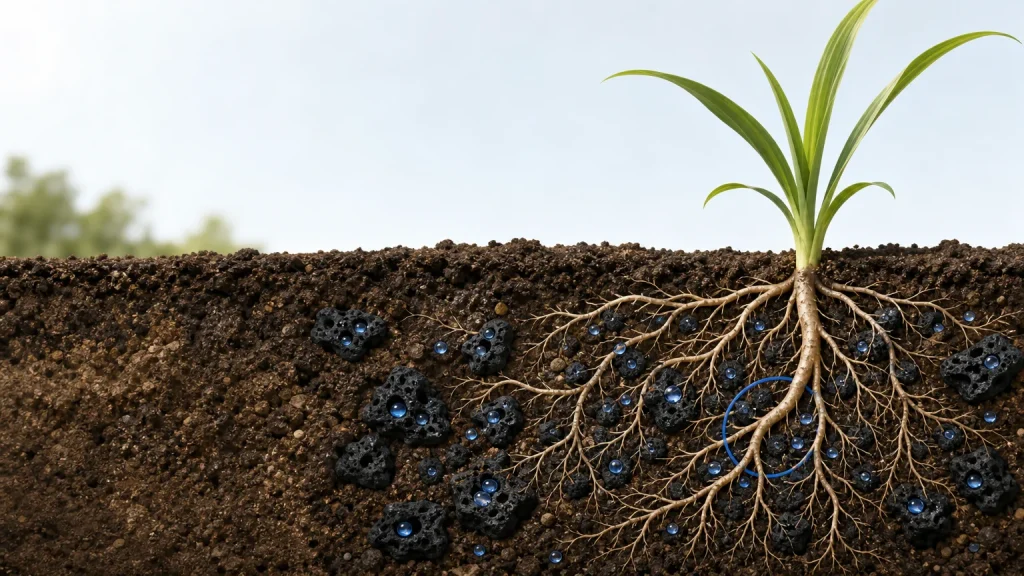
Summary: Biochar soil conditioning uses porous, carbon-rich material to improve selected soil properties, including structure, water retention, nutrient holding, and biological activity. Results depend on feedstock, production conditions, soil type, application rate, and incorporation method. Careful testing and site-specific planning are essential for reliable outcomes.
Could a porous carbon amendment help improve soil resilience while retaining nutrients and moisture? For agricultural operators evaluating soil improvement strategies, our biochar solutions for farmers and agriculture can support decisions across feedstock evaluation, production, and application planning.
Biochar is produced by heating biomass in a low-oxygen environment. Its internal pores and stable carbon structure can influence soil water movement, nutrient retention, pH, and microbial habitat. However, biochar is not a uniform material, so the right product must match the soil constraint and intended outcome. The biochar agriculture toolkit emphasizes matching the source, rate, placement, and timing to site conditions.
What Is Biochar Soil Conditioning?
Biochar soil conditioning means using biochar as a soil amendment to address specific physical, chemical, or biological constraints. Unlike a conventional fertilizer, biochar is not primarily intended to supply a predictable dose of nutrients. Its main function is to modify the environment where water, nutrients, roots, and soil organisms interact.
During pyrolysis, biomass loses many volatile compounds and develops a stable, porous carbon structure. The resulting material can provide surfaces that hold water and dissolved nutrients. It can also create protected spaces where microorganisms can attach and remain active.
The effect is usually gradual rather than immediate. Biochar may support better soil function over time, especially when combined with compost, manure, fertilizer, cover crops, or reduced soil disturbance. It should therefore be viewed as one component of a broader soil health plan.
How Does Biochar Alter Soil Properties?
Consider a coarse, drought-prone soil with low organic matter. Adding a suitable biochar may increase the soil’s water holding capacity and reduce the speed at which moisture drains beyond the root zone.
Biochar can also influence soil structure by adding low-density, porous particles to the soil matrix. Depending on the soil texture and application rate, this may reduce bulk density, improve aeration, support aggregation, and increase infiltration. These effects are not guaranteed, and clay-rich or already well-structured soils may respond differently.
Many biochars also have a liming effect because they are alkaline. This can help buffer acidic soils, but it may create problems where soil pH is already neutral or high. Ash content, feedstock type, and pyrolysis temperature all influence this effect.
From a chemical perspective, biochar can increase cation exchange capacity and provide additional sites for retaining minerals and organic compounds. This may reduce nutrient movement through the soil profile. Yet strong adsorption can also temporarily reduce nutrient availability, particularly when a high rate of low-nutrient biochar is applied without a complementary nutrient source.
Biochar can support biological activity by providing habitat for bacteria, fungi, and other soil organisms. Its effects are usually strongest when it is incorporated with biologically active materials. Compost or manure can add moisture and nutrients while helping fine biochar remain in place.
Why Do Feedstock and Production Conditions Matter?
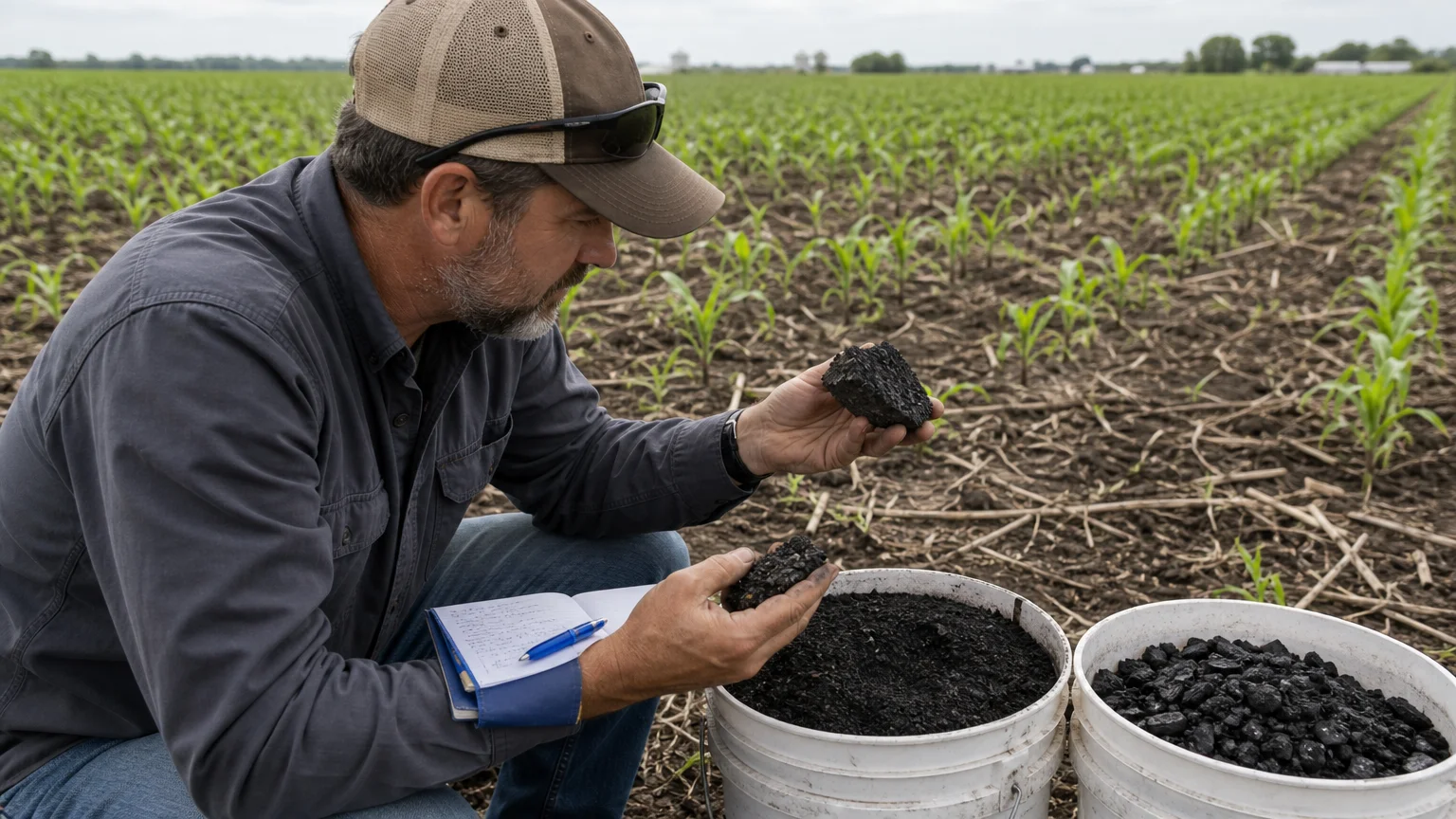
Why can two biochars produce different results in the same soil? The answer often begins with feedstock quality and continues through the production process.
Wood-based biochar commonly has relatively high carbon stability and porosity. Crop-residue and manure-based biochars may contain more ash and plant nutrients, but they can also carry higher salt levels. Their pH, nutrient content, surface chemistry, particle size, and contaminant profile can vary substantially.
Pyrolysis conditions also matter. Higher temperatures often produce more aromatic and persistent carbon, with greater surface area and alkalinity. Lower temperatures may preserve more reactive surface groups and nutrients, but the carbon may be less stable. Residence time, oxygen control, cooling, and post-production treatment further influence the finished material.
For commercial projects, laboratory analysis should inform the intended soil application. Useful information may include moisture, ash, pH, electrical conductivity, total carbon, nutrient content, particle size, stability indicators, and contaminant testing. Feedstock preparation is also important because moisture and particle size affect material handling and consistent reactor operation.
Our biochar plants and production systems are developed around feedstock characteristics, production scale, material handling, and project objectives. This approach helps connect the properties of the finished biochar with the requirements of the soil application.
Biosolids-derived biochar requires especially careful review of contaminants, salts, nutrients, and intended end use. Our biochar for biosolids and soil applications addresses this specialized project context without treating every biosolids stream as interchangeable.
How Should You Apply Biochar to Soil?
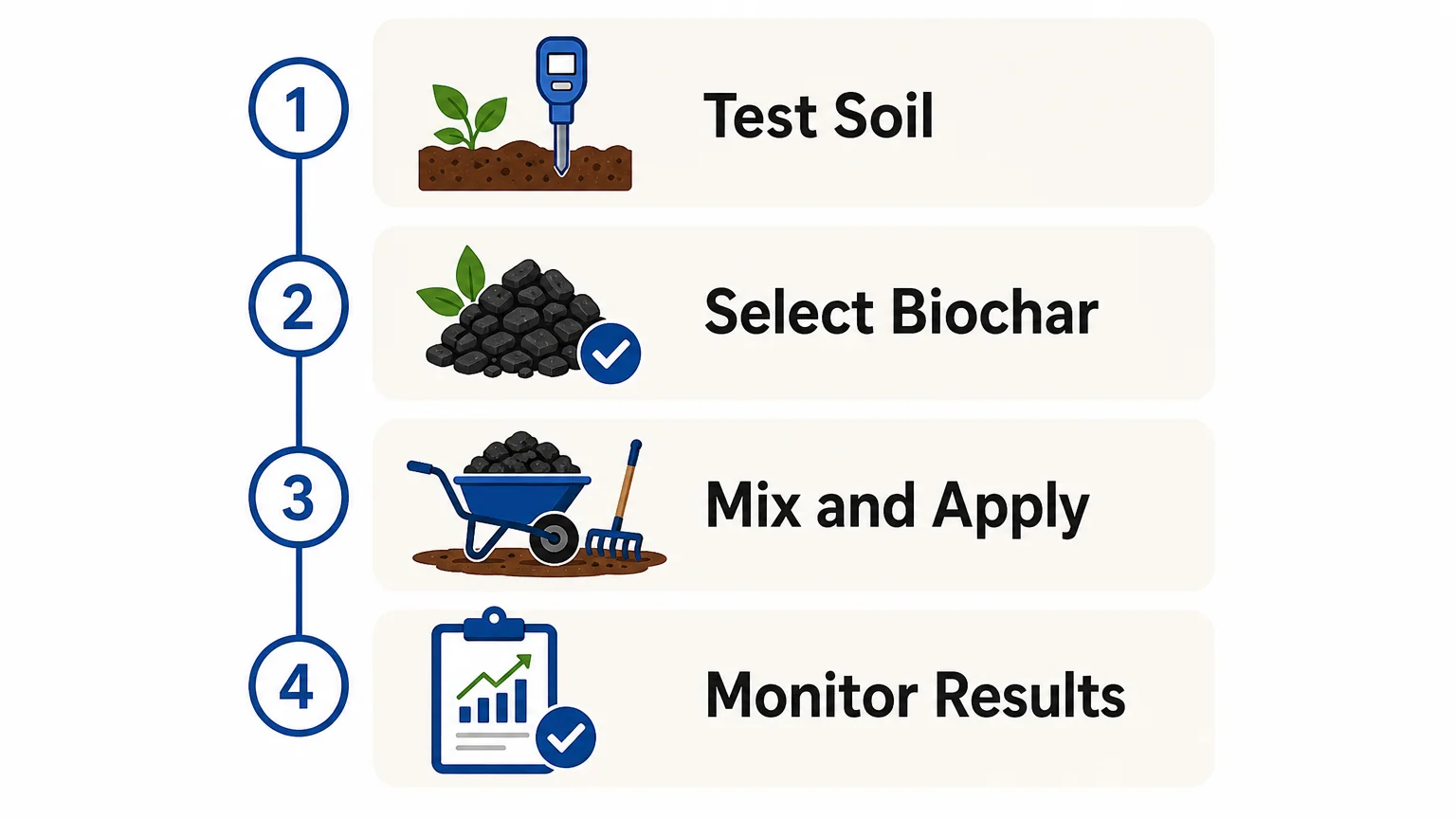
A practical application begins with a defined soil problem. Test the soil before choosing a product, with attention to pH, electrical conductivity, organic matter, texture, nutrient levels, and compaction. The goal may be moisture retention, nutrient conservation, acidity management, improved structure, carbon storage, or a combination of these outcomes.
Next, select biochar based on the soil and crop rather than purchasing a generic material. Review the product analysis and confirm that the feedstock, pH, salt content, particle size, and contaminant profile suit the intended application.
Application rates are site-specific. Reported agricultural rates vary widely, and a rate that benefits degraded sandy soil may be excessive for fertile soil. USDA guidance describes several placement methods, including tillage, surface application, banding, injection, trenching, and placement in a seed slot. The USDA biochar application guidance provides useful context for selecting a method.
For a general reference, USDA Climate Hubs discusses 4 to 10 cubic yards per acre for some wood-chip biochar mixed with compost or manure. This is an example, not a universal prescription. A small field trial can reveal how the product affects pH, moisture, nutrient availability, crop growth, and handling before a larger application.
Mixing biochar with compost, manure, or another nutrient source can improve handling and reduce wind loss. It may also reduce the risk of short-term nutrient immobilization. Fine biochar should be moistened carefully, and appropriate respiratory and eye protection should be considered during dry handling.
In annual cropping systems, incorporation may be appropriate when soil disturbance is already planned. In orchards, vineyards, pasture systems, raised beds, or containers, banding or targeted placement may reduce material use and keep the amendment near active roots.
Our biochar reactor sales support projects that need production systems aligned with feedstock preparation, scale, and downstream application requirements. Equipment selection should follow the intended product specification rather than precede it.
What Benefits Are Supported, and What Remains Variable?
What should you reasonably expect after applying biochar? The strongest evidence supports potential improvements in soil water dynamics, nutrient retention, structure, pH management, and carbon storage. The size and consistency of those improvements depend on the soil, crop, climate, biochar, and management system.
Benefits are often more noticeable in degraded, acidic, nutrient-poor, compacted, or coarse-textured soils. Biochar may improve drought resilience in some sandy soils by retaining more water. In clay soils, it may reduce bulk density and improve workability. Results can be less visible in fertile soils that already have strong structure and adequate nutrient availability.
Crop yield responses are not uniform. Some studies report increases, while others find no meaningful change or even reduced yields. High application rates can raise pH beyond the crop’s preferred range, increase salinity, or immobilize nutrients temporarily. The Penn State review of biochar limitations highlights the importance of feedstock, rate, soil characteristics, and crop conditions.
Biochar can also bind certain pollutants and reduce their availability. However, the same adsorption capacity may affect micronutrients, pesticides, or other soil chemicals. A material that is useful for contaminant management may not be appropriate for every agricultural application.
Quality control is therefore essential. Request analytical data before application, especially when biochar is made from manure, biosolids, municipal residues, treated wood, or other feedstocks that may contain salts or unwanted compounds.
How Can You Build a Reliable Soil Conditioning Plan?
A reliable plan connects four decisions: the right material, the right soil, the right rate, and the right placement. Begin with a defined resource concern, then compare that concern with the properties of the available biochar.
Use a small, representative test area whenever possible. Record the initial soil measurements, application method, weather conditions, crop performance, irrigation needs, and changes in soil moisture. Repeating soil tests after application can reveal whether the amendment is delivering the intended effect.
Biochar should complement, not replace, practices such as cover cropping, compost application, residue management, nutrient planning, and erosion control. Its value is greatest when it supports a broader management system with measurable objectives.
Commercial operators should also evaluate feedstock availability, transport distance, production energy, material handling, storage, labor, and long-term economics. A technically suitable biochar may not be practical if supply is inconsistent or application costs exceed the expected value.
Conclusion: Match Biochar to the Soil
Biochar soil conditioning can improve selected soil properties, but it is not a universal input with predictable results in every field. The most responsible approach is to define the soil constraint, review biochar analysis, select an appropriate application method, begin with a measured trial, and monitor the response. Feedstock, production conditions, pH, salinity, nutrient content, and contaminant risk should all influence the decision. When integrated with sound soil management, biochar can support water retention, nutrient stewardship, soil structure, biological activity, and long-term carbon storage.
Take action with Pyronexus
If you are evaluating biochar for soil improvement, the next step is to connect the intended application with the right feedstock, production system, and project scale. A structured assessment can help clarify whether you need product supply, technical development, reactor capacity, or a broader project pathway.
We support biochar projects through research, feedstock evaluation, product development, reactor deployment, operations support, and commercialization. For organizations ready to review material options for a defined soil application, explore our buy biochar for soil conditioning pathway and identify the next practical step.
Frequently Asked Questions
What is biochar soil conditioning?
Biochar soil conditioning is the use of porous, carbon-rich biochar to influence soil structure, water movement, nutrient retention, pH, and biological activity. It is an amendment strategy, not a replacement for balanced fertility and soil management.
Is biochar suitable for every soil?
No. Biochar performance depends on soil texture, pH, fertility, crop requirements, climate, and product characteristics. It may offer greater value in degraded, acidic, coarse, compacted, or low-organic-matter soils.
How much biochar should be applied?
There is no universal application rate. The appropriate amount depends on the biochar analysis, soil test, crop, application method, and intended outcome, so a small measured trial is often advisable.
Should biochar be charged before application?
Charging biochar with compost, manure, fertilizer, or another nutrient source may improve handling and reduce the risk of short-term nutrient immobilization. The best method depends on the material, soil condition, and crop nutrient plan.
What should you check before buying biochar?
Review the feedstock, production conditions, pH, electrical conductivity, ash, nutrient content, particle size, carbon stability, and contaminant test results. Confirm that the material is appropriate for the intended soil and application.
